1 month ago
47
1 month ago
47
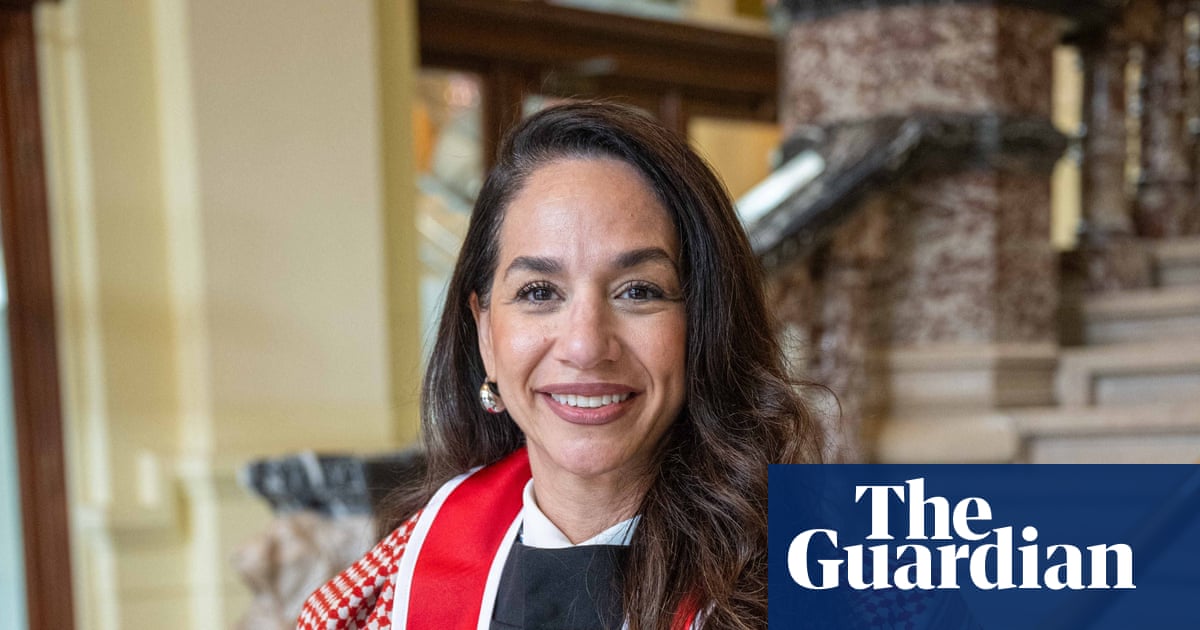
I was in my mid-20s in the mid-2000s when I became a professional yapper. I’d had to bow out of a career in Auslan interpreting due to injury, but could still talk under wet concrete. Studying to become a civil marriage celebrant felt logical – I wanted to know what love was, and I knew it could show me.
Being appointed by the Attorney-General’s Department involved a Certificate III and rigorous application process. I had to prove I was “of good standing” and “believed in the definition of marriage”. As a card-carrying homosexual, I wrote about my belief in all kinds of love, including marriage. It couldn’t take that long, I thought, for us to be recognised as having committed partnerships. Waiting a long, loathsome decade proved me wrong.
I loved how detail-oriented the role was: the legal requirements, stagecraft, a different workplace every weekend, and public speaking. It’s an activity most people find terrifying; for me it was like karaoke, but an actual job.
If someone needed lipstick, cufflinks or a handkerchief, I made everything run smoothly. The more I became myself, the more my couples reflected that. I was no fancy-pants guy, and happily referred anyone wanting perfect winged eyeliner to my more formal celebrant pals.
My favourite part was sitting with couples around a kitchen table. We’d talk about their lives and why they wanted to marry. I’d lean into silence so they could surprise themselves with their answers. Their stories became ceremonies that were personal rather than performative.
Wedding days were extraordinarily intimate. I absorbed the couple’s hope and intention, then rode that emotional high for hours.
The industry taught me almost as much as the couples. When I started, celebrancy was dominated by retirees with fierce opinions about everything: gender, pens, printer ink and the importance of solemnity, which did a lot of heavy lifting. I was mostly concentrating on not accidentally saying “sodomised” instead of “solemnised”, which I can proudly report I never did.
Over time the profession transformed. Gatekept resources gave way to generosity, and younger celebrants nurtured a culture of collaboration. We shared advice and emergency cover, especially when someone lost their voice on ceremony day.
My baby activism days were spent conducting mass illegal ceremonies on the steps of the registry office in Naarm, campaigning for marriage equality. When it finally arrived, I bristled at the phrase “gay marriage”. Wasn’t it simply marriage, now available to all consenting adults?
I love that we all have the right to marry, but became increasingly uneasy with the institution. Too many of the marriages I officiated ended following intimate partner violence. I had sleepless nights thinking about signing paperwork that made leaving abusive relationships more complex. Love should never become a barrier to safety.
after newsletter promotion
Across 17 years, I asked every couple the same question: why marriage? The most common answer was tradition, or that it marked an important milestone. But promises made during a ceremony are not always honoured once the party is over.
Eventually several things converged. Covid-19 made weddings dangerous for my already glittery lungs. I had transitioned socially but still had to use my birth name at work, which felt deeply dishonest during ceremonies built around truth. At the same time, my writing was becoming a career. When the invoice for my annual celebrant registration arrived, my wife encouraged me to back myself and back away.
I believe in love more than ever, but this has to be inclusive of safety, autonomy and the freedom to leave. I could no longer reconcile those values with the profession.
I don’t miss celebrancy at all. Every rainy weekend I’m grateful, and my nervous system no longer mistakes the weather for an emergency. Pancakes and a book beat negotiating Plan B during a climate event every time. These days my uniform is Crocs and overalls, and the dopamine comes from tending my own love story, rather than borrowing sparks from someone else’s. Attending enough weddings for several lifetimes was an extraordinary privilege. I’m equally happy to have left it behind.