3 months ago
67
3 months ago
67
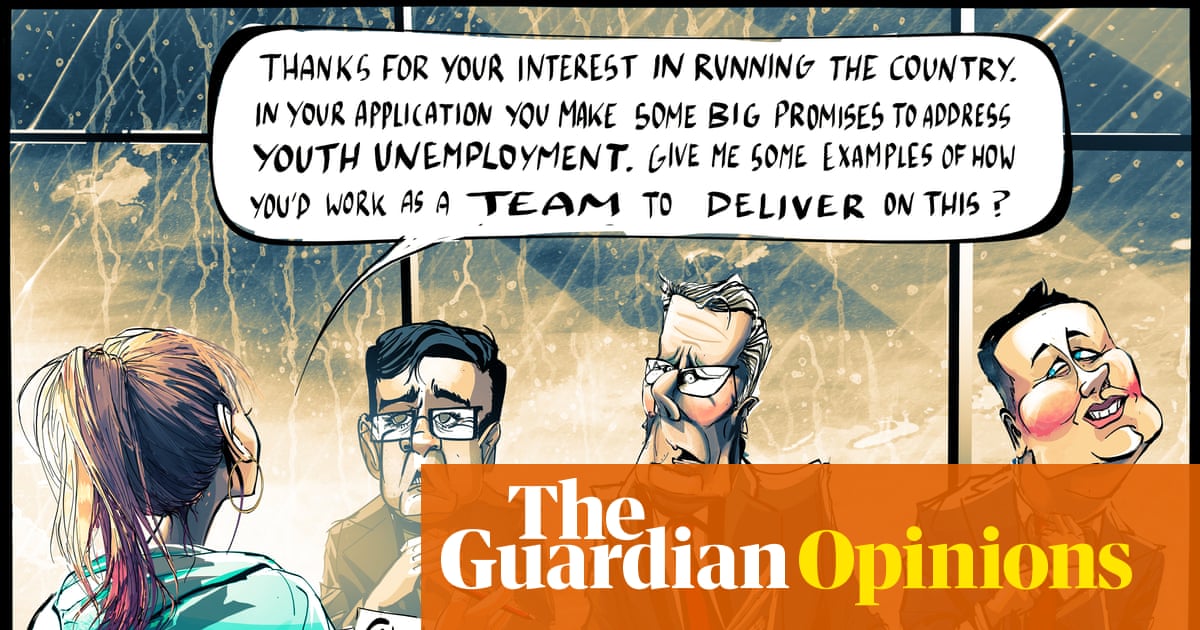
They roared, they stamped and they cheered. On Monday, the parliamentary Labour party reacted as it should when its leader hit a spot of bother. It knew it could not sack him, so it backed him. The constitution did its job and parliament supported the elected government of the day.
The idea that what Britain most needs is a Downing Street conflict is madness. After a week of a truly almighty storm in a teacup, it was a relief that the Commons could recover and steady the ship of state. It should keep it that way into the immediate future.
The cliche of the week was that the country stared into the abyss and drew back. If that was true, then Keir Starmer deserves a gold medal for his performance on Monday night. While he quietened the party mob, cooler heads were also calming the cabinet. A better cliche is that a week is a long time in politics. The storm has subsided, leaving disappointed commentators muttering: “It’s still not if, but when.”
The reason for the prime minister’s troubles is by now well rehearsed. He appointed a man who he knew to have dodgy friends to the Washington embassy and had to get rid of him. This is only one among Labour’s many U-turns, which also include on benefits for disabled people, the winter fuel allowance for pensioners, inheritance tax, pubs and the rest. Mandelson has gone and further investigations are a matter for the police.
The reality was that this was exactly the sort of story Britain’s hot-house politics loves: a US president, a British royal, sexual abuse, misogyny and stupefying wealth. The papers could keep it bubbling with juicy facts day after day. The 24/7 media went crazy. It could forget boring government and its issues. Yes, of course the story at root involved a disgrace, but Westminster flicks a switch and turns disgrace into national scandal. All sense of proportion vanishes.
Britain’s prime minister has been in power for less than two years. He has struggled with his central mission, which is to get the nation’s public finances into shape. He has not yet succeeded – but nor has he failed. There have been numerous mistakes. Starmer appointed a politically inept chancellor and failed to censor her £40bn tax rise. He had to move his foreign secretary, his home secretary and his top Downing Street team inside a year. In the Commons he has suffered the well-known danger of a large majority, which is for it to become uncontrollable.
These errors were proportionally far worse for his party and the country than was the Mandelson affair. Clearly a large number of Labour MPs feel Starmer’s qualities are not suited to the post. But then they chose him – as he chose Mandelson. They must have known his limitations.
The primary public interest in the government just now is stability. The only conceivable virtue in a coup against Starmer is that it would bring in a regime stronger, more purposeful and more appealing to the electorate. None of the normally listed options passes that test. Wes Streeting has yet to prove himself a reformer of the NHS. Angela Rayner is hardly a unifier. Andy Burnham is not even in parliament.
Plenty of prime ministers have survived attempts to topple them. They are surrounded by rivals who went into politics hoping they might end up in Downing Street. Gordon Brown faced a leadership challenge from James Purnell. John Major had to resign as party leader mid-term and fight for re-election. Thatcher endured a long-running revolt from “wets” within her cabinet.
Britain has been through a decade of chaos at the apex of its politics. Its economy has needed a steady hand, not one under constant insecurity and challenge. Abroad, the past year has been dominated by turbulent events in Washington and elsewhere. Starmer has performed throughout with dignity. He has held Britain’s customary position as intermediary between Europe and the US. There is no public interest in undermining him.
Starmer’s next challenge will be the forthcoming Gorton and Denton byelection, followed by the May local elections and the ongoing march of the Greens and Reform UK. His job is to rise above these crises, not succumb to them. Many Labour MPs are new and understandably fear for their seats. But they must know that unseating Starmer is unlikely to make them safer.
The 2024 election was supposedly a relief after voters had lived through five prime ministers in a decade. Now to gamble on a sixth cannot make sense. The only winners would be the populist parties of the right and left, and the nationalist fringe. Is that really what the Labour party wants?
-
Simon Jenkins is a Guardian columnist and the author of A Short History of America: From Tea Party to Trump