1 month ago
60
1 month ago
60
HIV advocates from Brazil, whose health system operates independently from foreign aid, say they predicted a dramatic reduction in donor funding for HIV and wish other countries had prioritized independence sooner.
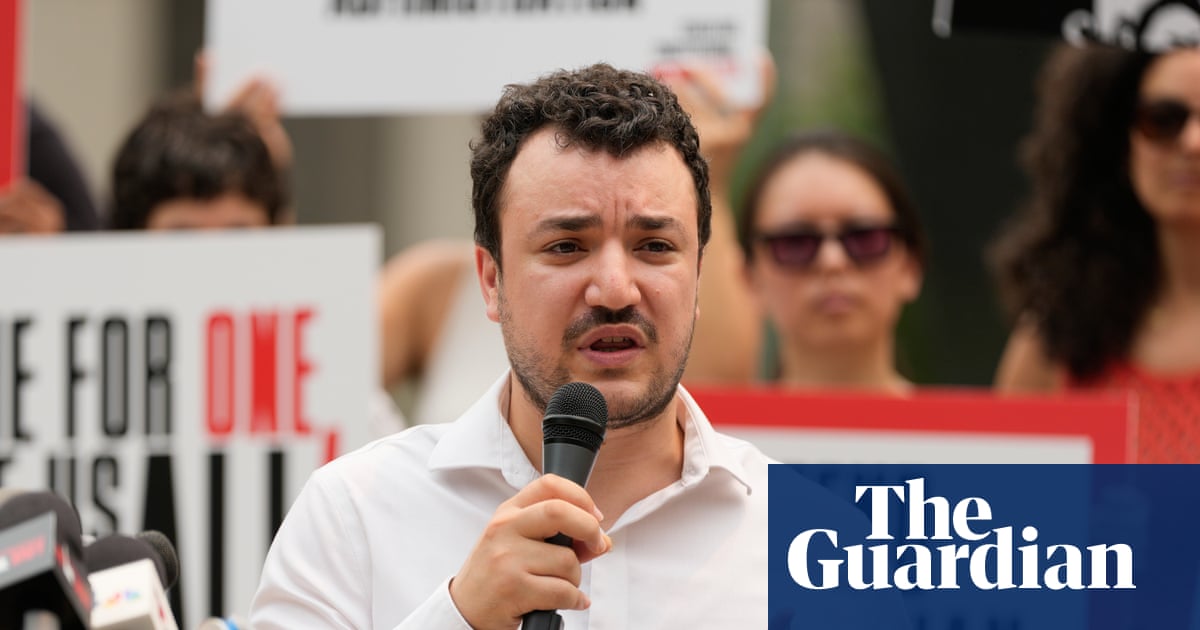
While the dissolution of USAID might “feel like a rupture”, it’s something advocates at the Brazilian HIV NGO Gestos have seen coming for a long time, Juliana Cesar, Gestos’s political liaison coordinator, said during a session at the Aids 2026 conference in Rio de Janeiro.
Brazil is completely independent from foreign assistance for its HIV prevention and treatment programs, as they fall under the purview of Brazil’s Unified Health System. This comparatively robust health system has allowed Brazil to achieve milestones in HIV prevention, including the elimination of HIV transmission to newborns, in 2025.
However, negotiations with pharmaceutical companies still limit Brazil’s access to the latest preventions and treatments for HIV, and NIH funding cuts could also curtail HIV related research in Brazil.
Cesar explained in an interview that Brazil is in a unique position because the right to healthcare has been enshrined in its constitution since 1988. In the years after the constitution was signed, members of civil society advocated to ensure that HIV prevention and treatment would be part of the Unified Health System.
“It has been earmarked into our budgets. We have to make sure that we have enough money for that,” Cesar said.
Gusto has advocated for other countries to implement measures similar to Brazil’s Financial Transaction Tax, which took money from every single transaction and put it towards the public health system.
But, Cesar explained, as Brazil has taken a turn toward the right, the tax is now being phased out. Cesar also admitted that the tax was not implemented in an ideal way, as the same percentage was imposed on every citizen regardless of income.
Cesar has long encouraged other countries to consider measures like this, as it allows them more financial independence from foreign policy whims, and also gives governments more autonomy to tailor HIV programs to their citizens. Cesar first began to suspect that foreign aid would be dramatically reduced more than a decade ago.
“We have been tracking negotiations at the UN since the 2000s, and we would see the trends,” Cesar explained.
These trends included increasingly restrictive language and conditions around using funding for sexual and reproductive health and rights and for LGBTQ+ communities, both of which are essential for HIV prevention. After 2012, Cesar was increasingly seeing funding “conditions that would exclude the very communities that we should serve”. Different nations would try to find “common ground” surrounding funding, but the common ground “would become stricter and stricter”.
Ailish Brennan, a policy analyst at Harm Reduction International, pointed out that foreign aid agreements also frequently require countries to purchase HIV medications from donor countries such as the US.
“It’s sort of like pumping money back into the donor country economy,” she said. Domestic production of HIV medications could be “part of a broader shift towards ‘health sovereignty’ and genuine country ownership over health systems”, Brennan added.
Countries can also preserve their HIV prevention and treatment programs by redirecting foreign aid that has gone towards “narcotics control”, Brennan noted.
A report from Harm Reduction International showed that nearly $1bn worth of foreign aid, including money from USAID, went towards policing and criminalization of narcotics related offenses between 2012 and 2021. Incarceration can, ironically, increase HIV rates as it concentrates high risk populations, including people who inject drugs, and limits their access to healthcare.
Brennan pointed out that this money could have instead funded hundreds of thousands of sterile syringes, which help prevent HIV, along with other health measures.
Brennan and Anton Basenko, executive director of the International Network of People Who Use Drugs, indicated that HIV prevention funding has long taken advantage of frontline workers’ commitment to their communities. But when organizations deprioritize compensation for on the ground workers, this can also lead to burnout over time.
Basenko said that in the wake of the cuts, many HIV prevention organizations “are surviving on the goodwill, unpaid labor, and extraordinary commitment of their staff and volunteers. But resilience should never be mistaken for sustainability.”