3 months ago
67
3 months ago
67
Pelvic floor health has long been relegated to whispered conversations about pregnancy or aging, often reduced to vague instructions to “do your kegels”.
But according to experts, daily maintenance of the pelvic floor is important.
The pelvic floor consists of the muscles at the base of the pelvis and “everything above it, including ligaments” says Lisa Birmingham, a senior physiotherapist and director of All Women’s Health in Brisbane. It extends from the pubic bone in the front to the coccyx in the back. These muscles are responsible for “pulling everything in from below” and supporting the bladder, bowel, and – in females – uterus.
Pelvic health is vital for all genders and ages, says Shan Morrison, a specialist physiotherapist and director of Women’s and Men’s Health Physiotherapy in Melbourne.
“Ten per cent of men experience persistent pelvic pain at some stage,” she says.
Here are some key strategies for maintaining a healthy pelvic floor.
Squeeze, release, relax
Before strengthening the muscle, you must find it. Birmingham says the goal is a strong, “bulky” muscle. The pelvic floor is made up of an “entrance group” of muscles and a “deeper group” of muscles, she says.
For women, strengthening the muscles takes a two-part movement. “Squeeze at the front as if you’re holding onto a wee and an anal squeeze at the back which feels like a lift,” Birmingham says. She adds a good visualisation is to imagine you are in a crowded lift “trying to hold in a fart.”
For men, the cue is to “lift up the testicles,” Morrison says.
She suggests everyone aim for 10 repetitions of 5–10 second holds.
However, relaxation is equally important. Angela James, founder and principal physiotherapist at Sydney Pelvic Pain Clinic, warns excessive physical activity is not always conducive to a healthy pelvic floor, using the example of “overzealous gripping” of pelvic floor muscles sometimes seen in pilates.
James advises checking in with yourself to ensure you aren’t constantly clenching and learn to relax these muscles.
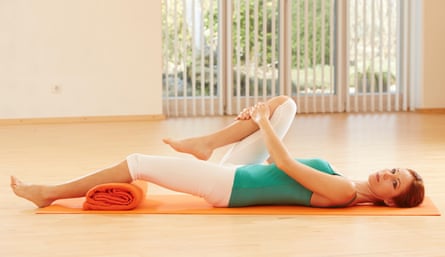
She says many people “chronically over-engage their core muscles” in an effort to maintain “good posture” throughout the day. “This can create excessive tension in the abdominal wall and pelvic floor, contributing to pain.”
Get ‘the knack’
Birmingham recommends a technique called “the knack”: bracing your pelvic floor muscles immediately before a sudden increase in abdominal pressure, such as a cough, sneeze or laugh.
To build the habit, she suggests “habit stacking” – popularised by James Clear’s Atomic Habits – to attach the exercise to an existing daily routine, such as performing a hold every time you stand up after using the toilet.
‘Your rectum is not a storage facility’
How we approach our daily toilet routine can have a significant impact on the strength and function of the pelvic floor.
Constipation is a major stressor for the pelvic floor, says Dr Millie Mardon, a pelvic pain researcher at Western Sydney University.
Birmingham explains that the resulting straining creates unnecessary pressure that can weaken the pelvic muscles over time.
“The rectum is not a storage facility,” she says, warning that workers often cause constipation by holding off on the urge to poo.
To help alleviate pressure, Mardon suggests anyone can use a footstool during bowel movements, to better mimic the natural squatting position and reduce straining.
Morrison adds that it is equally important to avoid going “just in case”.
Add colour to your plate
What you eat and drink plays a significant role in maintaining healthy bowel and urinary function, which directly impacts your overall pelvic health.
To keep things moving, aim for five servings of vegetables and two servings of fruit daily alongside at least a third of a cup of lentils or chickpeas, Birmingham says.
Mardon agrees “adding colour to your plate” at every meal to ensure you get enough fibre to “help your gut and pelvis feel good”.
For a gut-friendly breakfast, she suggests chia pudding: “Soak chia seeds with berries, flaxseeds, and a little maple syrup.” Chia is a “fabulous” tool, creating a slippery effect on the bowel wall, she says – and it’s easy to prep a week’s worth in one go.
Morrison reminds that regular fluid intake will also help with optimal stool and bladder movements.
‘Muscles love to move’
“There is no such thing as bad posture,” Mardon says. The real problem is staying still for too long is. “Our pelvic floor muscles love to move,” she says.
She recommends simple changes, such as getting off public transport one stop early, opting for the stairs and regularly changing positions if you sit at a desk.
Morrison suggests a “balanced movement diet” of cardio, stretching and strengthening. This doesn’t need to be vigorous – gentle walking, swimming, or yoga are effective.
James says that a multimodal approach that is tailored to individuals and includes mindfulness is best for pelvic health.
And because of progressive bone and muscle decline after the age of 30 “we have to lift heavy” to maintain and improve pelvic floor health, Birmingham says.
“For people who are hesitant because they know that they have leakage or prolapse, it [heavy weight lifting] does not worsen those symptoms,” she says. “If anything, it can increase the strength in the area.”
Belly breathing
“Poor breathing patterns often develop alongside sedentary work,” Morrison says.
“Shallow chest breathing, rather than diaphragmatic breathing, affects pelvic floor function and can increase overall body tension.”
Diaphragmatic (belly) breathing calms the nervous system, reduces muscle tension and promotes healthy pelvic floor movement.
Make diaphragmatic breathing your default with slow, deep breathing into the belly, especially during stressful moments, she says.
When to seek help
Pelvic pain is not normal, nor “‘part of being a woman’,” Mardon says.
She says this includes any internal or external pain between the navel and thighs – symptoms can be debilitating even if scans appear clear.
Morrison warns against delaying care, citing the six and a half-year average wait for an endometriosis diagnosis. “Early intervention is much more effective than waiting until pain becomes severe,” she says.
If you experience leakage or pain, Birmingham recommends seeing a specialised physiotherapist. She says internal exams are never mandatory if you are uncomfortable.
“When people have good pelvic health, they don’t think about it – it all works as it should,” James says. “When it doesn’t, it has a major impact on quality of life.”