3 months ago
68
3 months ago
68
Britain’s long history with the Caribbean, from enslavement to the Windrush scandal, is marked by policies that have fractured families. The Home Office’s latest actions show little has changed. After the devastation of Hurricane Melissa, a tropical cyclone that made landfall across the Greater Antilles area in late October, eight-year-old Lati-Yana Stephanie Brown was left destitute in Jamaica. But after her UK-resident parents appealed for the Home Office to expedite her visa application, officials rejected it and Lati-Yana has been left to sleep on the floor of her elderly grandmother’s destroyed home.
But the rejection rested on factual errors, according to Lati-Yana’s mother, Kerrian Bigby. Dawn Butler, her MP, shared a letter with me raising concerns about “misrepresentations” in the decision notice, including the claim that Bigby does not have full parental responsibility for the child, which she says is false.
The Home Office doubling down on this decision rather than acting on a humanitarian emergency speaks to a broader truth: Britain’s immigration system routinely separates children from their parents with little regard for the devastating consequences this brings.
This is not an isolated bureaucratic blip. It reflects a long historical continuum in Britain’s treatment of Caribbean families.
Family separation was built into the slavery plantation system: children were sold away, transferred or used as leverage against their parents. Britain spent centuries extracting wealth from the Caribbean, then walked away after abolition without rebuilding the economies it had gutted or paying reparations to the formerly enslaved. Instead, it compensated the slave owners for their “loss of property”.
The result was an underdeveloped region where work was scarce, wages were low and opportunities for the Black majority were limited – which is why people such as my grandparents migrated to Britain in the first place. When they arrived in postwar Britain, expats and migrants were met with low wages, overcrowded housing and racist landlords. There was no affordable childcare, and many believed they would stay only a few years, save money and return home. Bringing children over immediately was often impossible. By the time many parents were finally ready to “send for” them, Britain had tightened its borders.
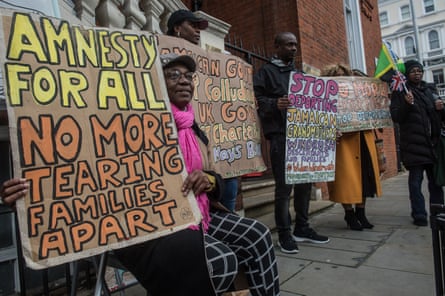
The 1971 Immigration Act made it far harder for Commonwealth citizens to enter, let alone settle, and families scrambled to reunite before the door slammed shut. My father and aunt were among the thousands of children left behind in the Caribbean and the intergenerational scars left by that separation still shape families, including mine, today.
The children left behind came to be known as “barrel children”, raised at a distance, sustained by love, remittances and parcels, yet carrying the emotional weight of separation.
The emotional and psychological fallout is unmistakable; in my dad’s case, he never quite came to terms with being separated from his parents and being displaced thereafter; it affected him until his premature death, at the age of 49.
The tragedy is that in Lati-Yana’s case, you can see how this fallout is still being passed down through generations. Like Lati-Yana, many Caribbean-born children are being raised away from their parents because immigration policy in countries such as Britain makes the prospect of reunification difficult.
During the Windrush scandal, ministers repeatedly apologised and framed the harm caused to Caribbean families as unintentional. Yet Home Office policy continues to inflict harm by design. And when Caribbean communities are disproportionately disadvantaged – in mental health, education, family structure or health outcomes – Britain pretends not to understand the roots of that instability.
What is happening to Lati-Yana is the latest echo of this devastating pattern of family fragmentation and the perpetuation of intergenerational trauma across the Caribbean diaspora. A mother migrates to Britain in search of stability. A child is left in temporary care with a plan for reunion. Disaster hits. Britain’s immigration system responds with suspicion and delay. Rinse, repeat.
after newsletter promotion
The state that once encouraged Caribbean labour to rebuild postwar Britain now erects barriers when Caribbean families try to build stable, dignified lives here. What makes this case especially stark is that Caribbean diaspora groups have been urging Britain to temporarily relax visa rules for vulnerable Jamaicans affected by the hurricane, as many children, and elderly and sick people, are struggling in the region.
Jamaica is thought to be the only country where King Charles is head of state whose citizens still require a visa to enter the UK. It’s a striking contradiction in this so-called “special relationship”, especially now that UK MPs are calling for flexibility.
In recent reporting, I revealed that campaigners have been pushing for emergency visa measures after Hurricane Melissa and that the Jamaican high commissioner has raised the issue with the Foreign Office. Unicef has launched an appeal to help an estimated 1.6 million children in the region get access to essentials, while White Ribbon Alliance UK is calling for help for mothers and babies
If the Home Office wants to show it has moved on from the cruelty of the past, it can start by righting its wrongs, acknowledging the urgency of the situation and reuniting this family now. Britain created these fractures through centuries of policy. The least it can do is stop deepening them.
-
Nadine White is a journalist, film-maker and the UK’s first race correspondent