3 months ago
55
3 months ago
55
Steve Cropper stood at the side of musical legends and toiled in the shadows of the studio, never a star. But his work with his fellow musicians and singers at Stax Records in Memphis, Tennessee, established him as one of the most creative and influential musicians of the 1960s.
Actually, pretty much every rock icon of that fabled decade looked up to Cropper, who has died aged 84. The Beatles seriously considered recording at Stax, and the Stones covered songs he played on and emulated his crisp rhythm and lead guitar playing. As a jobbing musician in 1964, Jimi Hendrix drove from Nashville to Memphis to meet Cropper (they chatted about guitars and jammed), while Janis Joplin insisted her new band play Stax’s Christmas party so as to rub shoulders with Cropper and co. Across the world, garage bands played songs he had helped to shape.
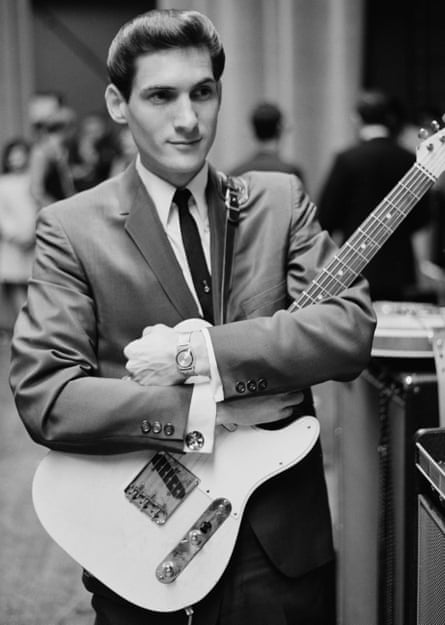
If it was just for his guitar playing then Cropper would be venerated. His incisive, tasty, never ostentatious style marks him – alongside Lowman Pauling (his main influence), Curtis Mayfield and Bobby Womack – as someone who defined the sound of original R&B. But this slim, somewhat gawky youth also developed into a remarkable engineer, producer and co-writer of soul anthems. Cropper was not a solo songwriter (nor did he ever seriously attempt to be a solo artist) but, paired up with such great soul singers as Otis Redding, Wilson Pickett and Eddie Floyd, he helped give structure to the song ideas they had, ensuring they had intros, verses and choruses that leapt out at the listener. Cropper never felt the need to act as a “guitar hero” – his playing was economical, complimentary rather than seeking attention: even when Sam Moore of Sam & Dave shouts “play it, Steve!” on Soul Man, Cropper plays a fill, embellishing the song rather than showing off his own prowess.
Cropper grew up in Memphis and formed his first band, the Royal Spades, while in high school. Back then, Memphis practised extreme segregation and his school was all white, yet he and his fellow band members loved R&B. The band’s tenor sax player, Charles “Packy” Axton’s mother, Estelle, had co-founded Satellite Records, a tiny independent record label, with her brother Jim Stewart. The Spades recorded an instrumental called Last Night, and Estelle – a doting mum as well as a discerning, fledgling record exec – convinced Jim that Satellite should release it (although she was wise enough to insist the teens change the band’s name to the Mar-Keys).
Last Night was a US hit and helped establish the label, which was forced to change its name to Stax after a legal complaint from another Satellite Records. Cropper didn’t enjoy touring – Packy was already a heavy drinker and the band partied too hard for his liking – so he requested a job helping Jim in the studio.
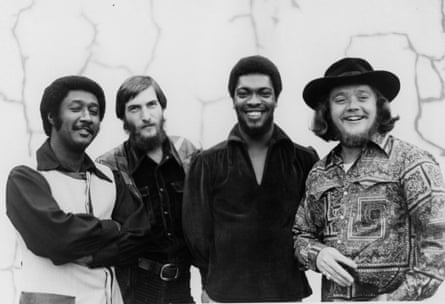
He learned to engineer and produce records, alongside playing on sessions. He was Stewart’s most trusted – and well remunerated – employee at Stax and here he formed Booker T & the MGs with teenage organist Booker T Jones, drummer Al Jackson Jr and bassist Lewie Steinberg (both veterans of the Memphis club scene). In 1962, Stewart thought that a studio jam that the quartet had worked up showed potential, and so Green Onions was released – quite possibly the most influential instrumental record of the 1960s and a mod club favourite to this day.
It was Cropper who recognised the potential of a youth from Macon, Georgia, who arrived at Stax as a valet to guitarist Johnny Jenkins for a failed session. When Otis Redding grabbed the last minutes of the session to demonstrate two songs he had written, Cropper played piano behind him on These Arms of Mine and a legend was born. The two young men would work together for the rest of Redding’s brief life – Booker T & the MGs provided the ideal backing for Redding at his famous Monterey pop festival performance in 1967 and Stax’s subsequent European tour – trading ideas, licks and song titles, so helping shape the remarkable canon of work that Redding left. It was Cropper who turned a brief reminiscence from Redding, about watching boats go in and out of a bay, into a fleshed-out set of lyrics and one of Redding’s greatest hits.

Redding died in 1967, and Booker T decamped to California, furious that Stewart gave Cropper a more preferential contract (racial tensions ran high at Stax in the late 1960s). Cropper slipped into a sideman role: after leaving Stax he played on sessions for John Lennon, Rod Stewart and other famous names. Then he became part of the Blues Brothers band (and films), which surely paid well even if it reduced those great R&B anthems to comedy pub kitsch. No matter: Steve Cropper helped shape a whole genre. Rest in peace, soul man.