3 months ago
67
3 months ago
67
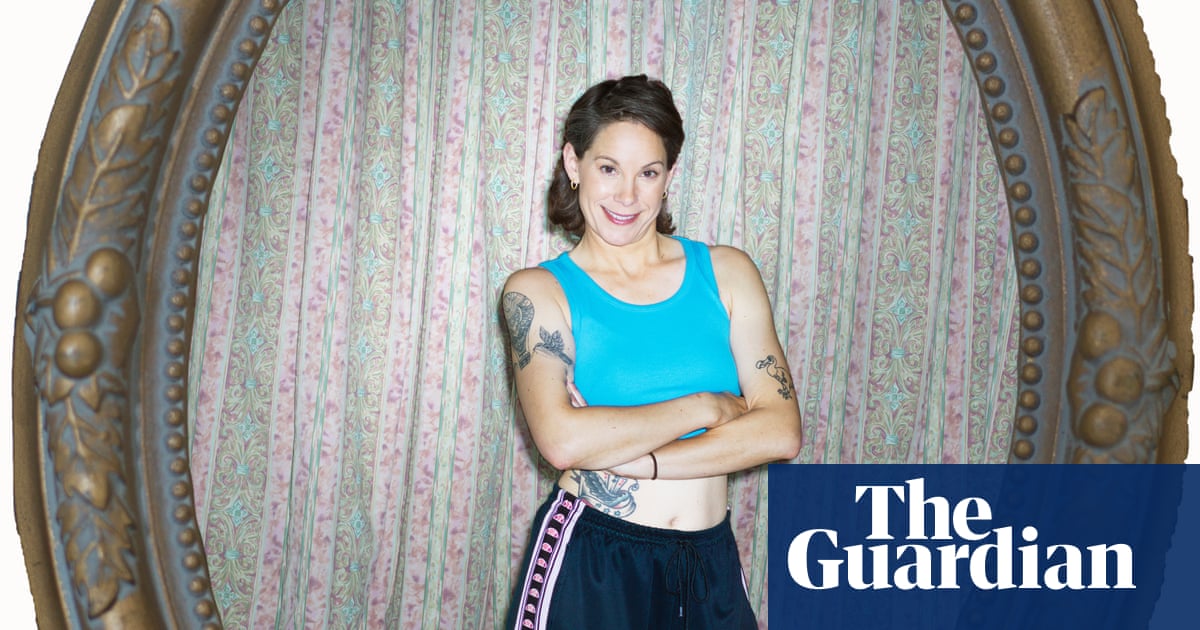
Aashna Doshi, a software engineer at Google, is constantly monitoring her headspace. “This way I don’t burn myself out,” she said. “And I stay a lot more consistent with my podcast and content creation work.”
On top of her day job in the tech giant’s security and artificial intelligence department, Doshi also publishes social media content about working in tech and her life in New York City, and records podcasts – sometimes all three in a day.
She is part of a seismic generational shift: 57% of gen Z Americans have a side hustle, according to recent Harris Poll research, compared with 21% among boomers.
Rather than throwing everything into a single career, many young adults are now spinning plates – using their main job as financial bedrock while directing their passion, and ambition, elsewhere.
“In my side hustles I can finally offer myself an outlet to be creative and express myself without any constraints,” said Doshi, 23. “This is probably the biggest thing: I can represent myself as an individual with all these ambitions, skills and passion versus ‘Aashna is a software engineer at Google.’”
“From watching our parents’ generation pour everything into work, as a generation, we realized we need to pursue something we love and feel fulfilled,” said Sen Ho, 25, who works in a stationery store and pulls together digital illustrations in his spare time.
“If I wasn’t doing my side hustle, I would be very lost in life,” he added. “It is what keeps me going.”
Most young professionals no longer see a 9-5 job as essential for achieving financial success, the Harris Poll survey found, turning instead to side hustles and investing.
A new generation of US workers is prioritizing flexibility, freedom and purpose, which a traditional corporate job may not be able to offer, according to Mark Valentino, Citizens Bank’s president of business banking. “Gen Z is thinking in terms of what I call a ‘portfolio of careers’ – not just one path, but a bunch of different things that bring them fulfilment,” he said. “They saw their parents struggle and concluded they’d rather have more balance. They don’t believe they can achieve the same financial success as previous generations, so they’re refocusing on their goals.”
In middle school, Ho sold sketches to classmates for candy money long before he enrolled in art school. What began as pocket change has now become a crucial source of supplementary income.
“I love how art can evoke emotion in people and share a story,” he said. “Compared to my retail job, my side hustle gives me a sense of accomplishment. It’s more challenging, creative and mentally stimulating and I can have a real impact.”
‘The job market is cooked’
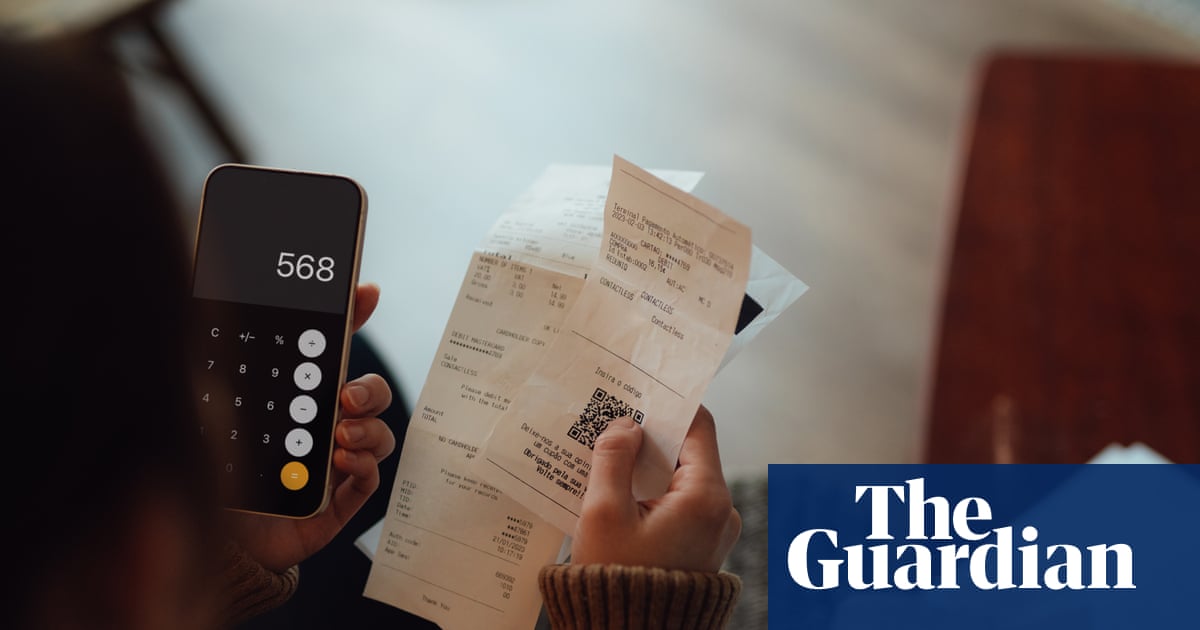
The money Ho receives for his illustrations helps cover everyday expenses in New York City, where the annual cost of living – including housing, bills and food expenses – approaches $64,000, according to the US Bureau of Economic Analysis.
Many young Americans are no longer prepared to “rely on a single job for financial security and career growth” as they grapple with an increasingly rocky economy, said Daniel Zhao, chief economist at Glassdoor, as they grapple with an increasingly rocky economy. “All the traditional pathways to success, like going to college and securing a steady white-collar job, haven’t borne out, and now they are left with debt and a tough job market.”
The tech industry has been particularly vulnerable to layoffs in recent years, as AI rapidly reshapes the sector. More than 150,000 jobs were cut across 550 companies last year.
Doshi’s side hustles are her safety net if the next wave hits her. “The job market is cooked,” she said. “You might have a job today, but tomorrow you might be laid off. Side hustles are about security and control, in such an unpredictable economy. It feels safer than just relying on one employer.”
Yeong Yuh Lee, 23, a freelance illustrator in New York, was recently let go from her full-time job. Without side hustles, she would have been without income. She was previously an artist for an animation company and, in her spare time, commissions graphics for content creators.
“I don’t know what I would’ve done if I didn’t hustle for clients outside of my in-studio job,” said Lee. “Right now I am living off of my side hustle, while trying to find a new job. But it’s already been six months and no luck.”
Generative AI cratered the art job market, offering illustrations at a fraction of human artists’ rates. Like Lee, Ho is struggling to find stable in-house studio positions.
“With AI, combined with the increasing lack of funding for the arts, and being a recent graduate, I just couldn’t break into the industry at all,” said Ho. “The industry is slowly declining so I had no choice but to fall into retail as my day job and just side-hustle my art.”
‘I am never off the clock’
But working on these gigs alongside day jobs has its costs. Ho doesn’t have much down time. When he clocks off at the store, he clocks into his side gig, opening his computer and beginning cold outreach to find potential clients, or posting new pieces on social media in a bid to boost his exposure.
“In a sense, I am never off the clock,” he said. “It does get tiring, I do admit, but at the end of the day it’s like I got to do what I got to do. I just love drawing so much that I cannot imagine not doing it no matter how tired or exhausted I may be.”
When Doshi tried splitting her time evenly among her roles, she felt drained and burnt out as if “fighting demons”, she said, before she focused on managing her energy levels. Her 9-5 role at Google eats her “peak focus energy”, she said, “and I work best with content creation and podcasting when my mind is relaxed, and feeling more creative”.
Zhao, of Glassdoor, believes employers should embrace their employees’ side hustles, provided there is no conflict of interest. A “happy workforce is ultimately an engaged workforce”, he said, predicting that more young workers will pick up jobs on the side as time goes on.
“Side hustles are here to stay, especially for younger workers,” Zhao added. “They are motivated, have the will to learn, the grit to be scrappy, and these are all characteristics that are really important for a workforce.”
As more workers juggle multiple jobs, Valentino cautioned that corporate America faces a reckoning.
“There’s going to be a big gap in the workforce in the next 10 years,” he said. “The onus is on corporate employers to figure out how to attract young people into jobs where they feel passionate, where there’s a mission and a sense of purpose, where there’s flexibility.”
This fundamental shift may be irreversible, Valentino added. “The barriers to entry for starting something … are the lowest they’ve ever been,” he said. “I do see there being a change in terms of what we define as a ‘career’ moving forward.”