3 months ago
76
3 months ago
76
We’ve all had a few days to sit with the Stranger Things finale now, and reaction has been mixed. For every hardcore fan who found themselves in floods of tears by the end, there was a disgruntled TikToker aggressively listing all the plot holes the episode left unfilled in its race to the finish line. In other words, how you felt about Stranger Things as a whole probably determined how you felt about the way it ended.
Which, despite any qualms you may have about the finale – and we’ll get to those soon – seems like the best way anyone could possibly wrap up a series. There was no tonal pivot; no bleak, Dinosaurs-style parable; no “it was all a dream” St Elsewhere-style cop-out; no Blake’s 7-style final bloodbath. Stranger Things died as it lived – full of spectacle and sentiment (and a chronically unwieldy mythology, and way too many characters).
By achieving this, Stranger Things managed to bat it straight down the middle. Will this final episode become as beloved as Breaking Bad, or as widely discussed as The Sopranos? Almost certainly not. But at the same time, it avoided the pitfalls that drove Dexter and Game of Thrones into the dirt.
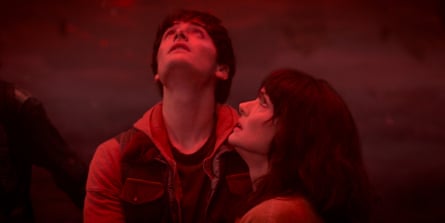
Looking back, it did a couple of things exceptionally well. The first was that it managed to pare back the ludicrous sprawl that upended the previous episodes, which spread a seemingly infinite number of characters across a seemingly infinite number of locations, dimensions and dreamscapes. It was so bloated that nobody could ever get anything done because they had to keep reminding each other where they were and why.
This represented much cleaner storytelling. It was a bunch of characters versus a massive crab, and the crab lost. Everyone got a moment in the spotlight; especially Winona Ryder, who got to lop off Vecna’s head after spending half a decade getting paid to stand in the margins and look befuddled. The final battle looked amazing and felt suitably high-stakes. Fans who have spent the last decade watching as Stranger Things became riddled with bloat must have been thrilled.
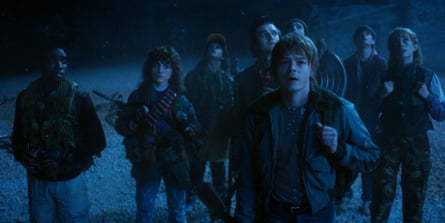
The second big plus was remembering that this was initially a show about children. The finale was peppered with flashbacks to the cast pre-puberty – a particularly canny move. Since Stranger Things debuted, we’ve all watched as the young actors have grown and grown, physically and in terms of notoriety. Seeing flashes of them small and innocent, unaware of the tsunami of global fame about to hit them, was unquestionably very touching. Plus the 18-month time jump at the end gave everyone the chance to play closer to their own age for once. You can only imagine the tears of relief Caleb McLaughlin must have shed knowing he wouldn’t have to wear that flat-top wig for a few scenes.
Then again, what was my most memorable moment of the finale? Probably the moment I glanced at a clock and realised it still had still 30 minutes to go.
At that point we were already deep into the denouement, with every single character being given their own elegiac sendoff. Steve became a teacher. Dustin got to be relatively obnoxious during his graduation. Erica honed her bomb-making skills. Joyce and Hopper got engaged. The army politely snuck off and never bothered anyone ever again. And Eleven either did or didn’t die, depending on your personal preference.
On and on it went, the endings piling up on top of each other so extravagantly that the actual meat of the episode became a distant memory. It made the last Lord of the Rings film look like the model of restraint. There were so many endings to this episode, I briefly considered pitching a ranking of them, before I realised this would require me to watch them all again, and honestly, who has time?
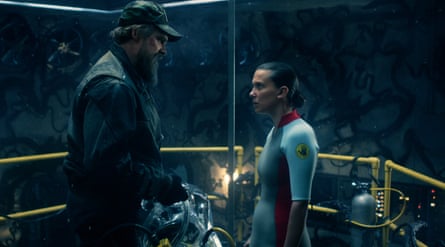
But, as punishing as it was, for the diehards it felt earned. After all, this is who the finale was for: the millions who took this weird little jumble of 1980s references, initially designed as a one-season wonder, and grew it into such a monster that new episodes literally broke Netflix.
So, did Stranger Things stick the landing? Well, no, because in the big scheme of things this doesn’t count as a landing at all. We’re in 2026 now, and the biggest crime an entertainment corporation can commit is letting an established IP die. The Duffers have confirmed they are already working on one Stranger Things spin-off and, if that’s too far away, an animated series (Stranger Things: Tales from ’85) will be out this year. Put simply, abandon the concept of Stranger Things ending. While there’s still money to be wrung from it, that won’t be allowed to happen.