3 months ago
85
3 months ago
85
Iran has indicated it will suspend peace talks with the US in protest against Israel’s offensive in Lebanon, threatening the collapse of negotiations with Washington as the two sides skirmished amid a faltering ceasefire.
The Iranian foreign minister, Abbas Araghchi, said “unequivocal violation of the ceasefire on one front is a violation of the ceasefire on all fronts” and the US and Israel would be held responsible. A news agency aligned to the Islamic Revolutionary Guard Corps said Tehran was suspending its participation in talks designed to end the blockade of the strait of Hormuz.
Donald Trump has said the US was not yet informed of Iran suspending talks but suggested he was not opposed to a halt in negotiations.
“I think we’ve been talking too much, if you want to know the truth,” the US president told NBC News. “I think going silent would be very good, and that could be for a long time.”
The US would not begin another military escalation immediately if negotiations fell through, Trump added, but would maintain its blockade on Iranian ports. “It doesn’t mean we’re going to go and start dropping bombs all over there,” he said. “We’ll just go silent. We’ll keep the blockade. [The] blockade is a piece of steel.”
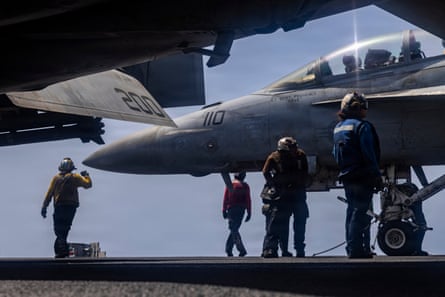
The apparent collapse of talks followed the US hitting Iranian radar and drone sites at the weekend and Tehran on Monday saying it had countered by targeting a military base in Kuwait that it claimed was involved in the US operation.
Trump last week said the US was ready to lift its blockade on Iranian ports as part of a peace deal with Iran that never materialised.
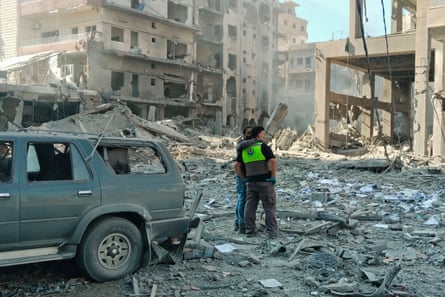
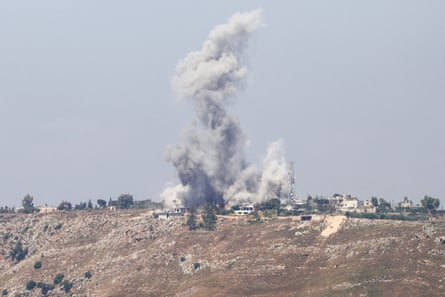
Iran’s suspension of talks indicates the anger in Tehran over Israel’s offensive in Lebanon, which threatened to intensify on Monday as Israel issued evacuation orders for residents of Beirut’s southern suburbs.
Iran’s military central command warned residents of northern Israel to leave in the event that Israel carried out attacks on Beirut or its southern suburbs. Kuwait has advised all citizens to stay indoors due to an imminent likely attack.
The Iranian army warned that if Benjamin Netanyahu went ahead with the bombing of Dahieh, a southern suburb of Beirut, or the city, then residents of northern Israel and military targets elsewhere inside Israel would be attacked.
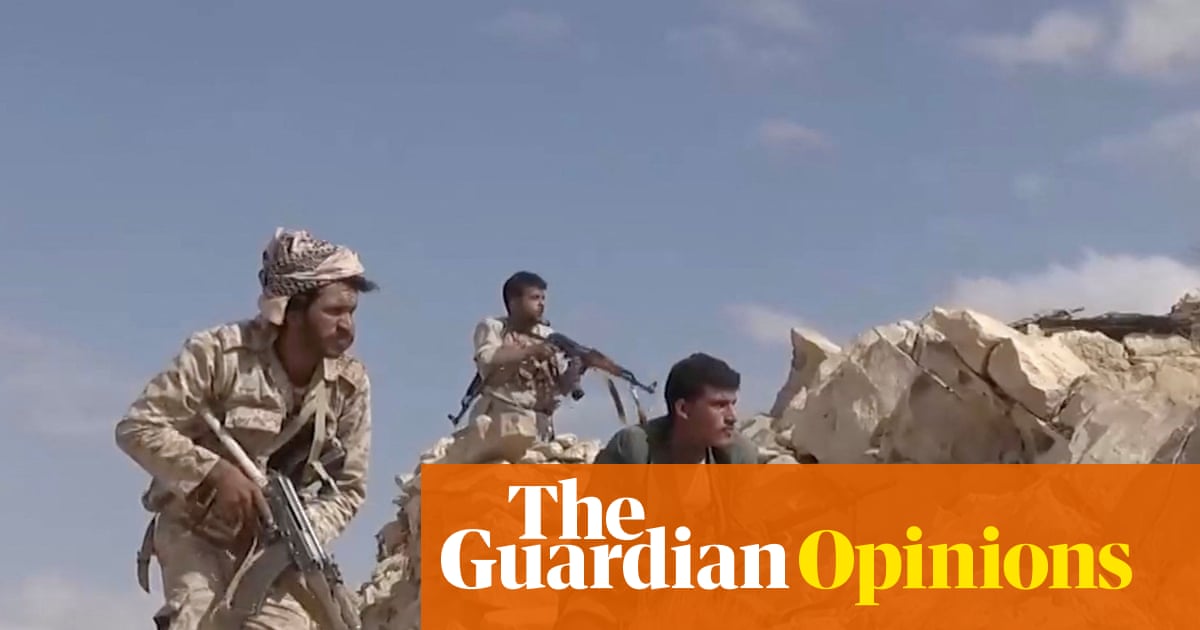
Iran’s semi-official Tasnim news agency said Tehran would ask the Houthis in northern Yemen to mount a second shipping blockade in the Bab al-Mandab strait at the southern entrance to the Red Sea. The tension has led to the oil price to rise once again reaching close to $100 a barrel.
Mohammad Bagher Ghalibaf, Iran’s chief negotiator and speaker of parliament, said the US blockade of Iranian ports and Israeli actions in Lebanon were “clear evidence of US non-compliance” with the ceasefire. “Every choice has a price, and the bill comes due. It will all fall into place,” he added.
The US and Iran have exchanged strikes since their planned ceasefire took effect in early April. The on-off diplomacy appeared to have reached the point of a deal on Friday only for Donald Trump to pull back, demanding revisions to the outline agreement.
In a sign of European concern that the ceasefire may be on the verge of the collapse, France’s president, Emmanuel Macron, spoke on Sunday to Iran’s president, Masoud Pezeshkian, as well as to Trump and almost every major Arab leader. He urged them to recognise the necessity of a ceasefire in Lebanon and for the strait of Hormuz to be reopened to resume the transit of oil.
Macron suggested Europe could help provide expertise for the talks on the future of Iran’s nuclear programme.
In remarks that will infuriate those that believe an agreement on the strait is urgent for the world economy, Trump in a social media post told Americans: “Just sit back and relax. It will work out in the end. It always does.”
The president is under pressure from his own side to show the war has ended Iran’s nuclear programme, even if it did not end the country’s regime. He has come close to admitting the attack on Iran was a mistake.
Iran’s foreign ministry spokesperson, Esmail Baghaei, defended its strikes on US-linked military facilities, arguing that countries hosting bases used in attacks against Iran could not evade responsibility.
He said chaos in Washington was producing contradictory negotiating positions and insisted Iran would defer any discussions on its nuclear programme until after the strait had been opened.
He said any agreement would need endorsement by the UN security council and – for the first time – confirmed Iran was looking for reparations from the US. Progress had been made on unlocking Iranian assets, he said, adding that talks in Oman had covered Iran’s concerns about the need for a new system of governance for the strait.
Iran’s deputy foreign minister, Kazem Gharibabadi, urged Oman not to give into US threats, adding “it is in the country’s interests to cooperate with the systems considered by Iran because the cost of providing maritime services is much less than the cost of wartime insurance and there is no plan for stoppages, inspection or seizure”.
A 14-point memorandum of understanding struck by negotiators proposes a ceasefire for 60 days while talks continue over Iran’s nuclear programme.
Pezeshkian has been sending out repeated messages that Iran needs to be prepared for difficult economic times, with inflation at 53.9% on an annualised basis.
Baghaei said on Monday there were no exchanges with the US over the details of Tehran’s nuclear programme: “We know when it is necessary to act on nuclear matters. No negotiations have taken place on the details of the nuclear file. At this stage, our priority is ending the war.”
The latest exchange underscored the fragility of the ceasefire, which has been repeatedly tested by cross-border attacks even as diplomats seek a broader settlement. Iran has maintained restrictions around the Sstrait of Hormuz throughout the conflict, while analysts say its missile campaign has inflicted significant damage on US military infrastructure across the Middle East.
Trump has said a key aim in the war was to prevent Iran from developing a nuclear weapon with its highly enriched uranium. Tehran has consistently denied it had plans to do that.
The president appears increasingly isolated as his military venture edges toward an outcome that many analysts view as a strategic setback.
He is under pressure to reopen the strait of Hormuz and get US fuel costs down before the November congressional elections, as voters show increasing frustration over rising prices. At the same time, he faces a potential backlash from Iran hawks in his own party over concessions to Tehran.
The two sides remain at odds on several other issues, such as Tehran’s demands for the lifting of sanctions and the release of tens of billions of dollars of Iranian oil revenues frozen in foreign banks.