3 months ago
68
3 months ago
68
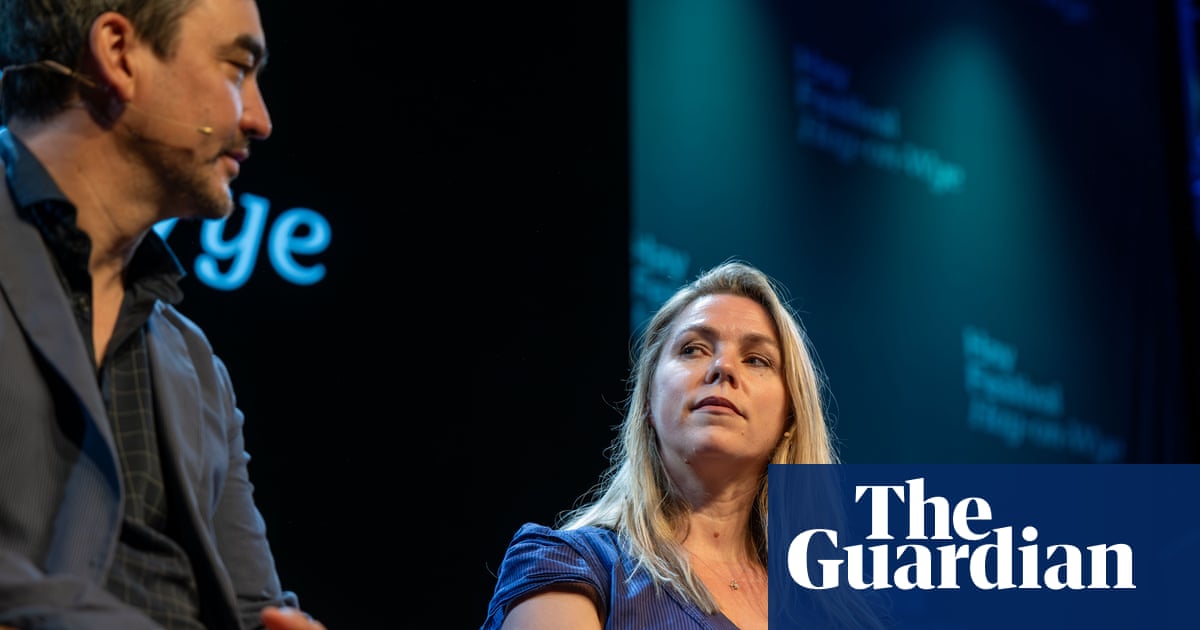
Kristin Scott Thomas has accused male theatre critics of failing to understand plays written by women and about women.
Citing her monologue on menstruation in Phoebe Waller-Bridge’s Fleabag, she said the speech had “ripped through the internet”, proving the appetite for female stories told on their own terms.
“Where would I be without women playwrights?” she said while accepting the inaugural leading light award at the Women’s Prize for Playwriting ceremony in London, a new honour recognising lifetime achievement by women in the arts. “To be honest, absolutely nowhere.”
Scott Thomas referred to her recent stage role in Penelope Skinner’s Lyonesse, which ran at the Harold Pinter theatre in 2023. The play, which explored ambition, motherhood and sexual violence, drew strong audiences but divided critics.
“The play was mostly hated by the critics,” she said. “So why did people flock to the Pinter to catch it before we all vanished?
“A clue might be that many of the reviews were written by men who really didn’t understand what it is to be a working mother or a child-free actress.”
She said one male critic had described a female character’s lament about her vagina as unrealistic. “We need women to write that,” she said. “Voicing their experience. Men are beginning to see the light.”
She said Waller-Bridge’s writing had helped to shift public debate. “When Phoebe Waller-Bridge wrote Fleabag series two, she gave me the most fantastic scene about menstruation and metaphors, which ripped through the internet and helped bring what people used to call female problems right into the front row, and even get laws changed.”
The Women’s Prize for Playwriting was founded in 2019 to address gender inequality in theatre. Its organisers say women are under-represented as playwrights and in senior creative roles across the sector.
Research published by The Stage in 2022 found that about three-quarters of writers working in UK theatre that year were men. A 2023 update from Sphinx Theatre’s “women in theatre” survey reported continuing structural barriers for women in the industry, including caring responsibilities and uneven commissioning opportunities.
Speaking after the ceremony, the producer Ellie Keel, the co-founder of the prize, said she agreed that plays by women receive a different critical reception.
“Lyonesse was received as a very mediocre play, when actually it wasn’t,” she told The Stage. “It feels like women writers are held to different standards, and written about in different ways.
“We don’t necessarily need more female critics. I just think the men should do better,” she said.
Reviews of Lyonesse were mixed. The Stage’s male critic, Dave Fargnoli, awarded the play four stars, while the female critics Arifa Akbar and Fiona Mountford each gave it two stars.
Scott Thomas said she was committed to championing female writers. “It isn’t always easy to be a woman in the spotlight,” she said. “But keeping the fires burning and the arguments flaring is something I relish and would not be able to do without writers.”