3 months ago
68
3 months ago
68
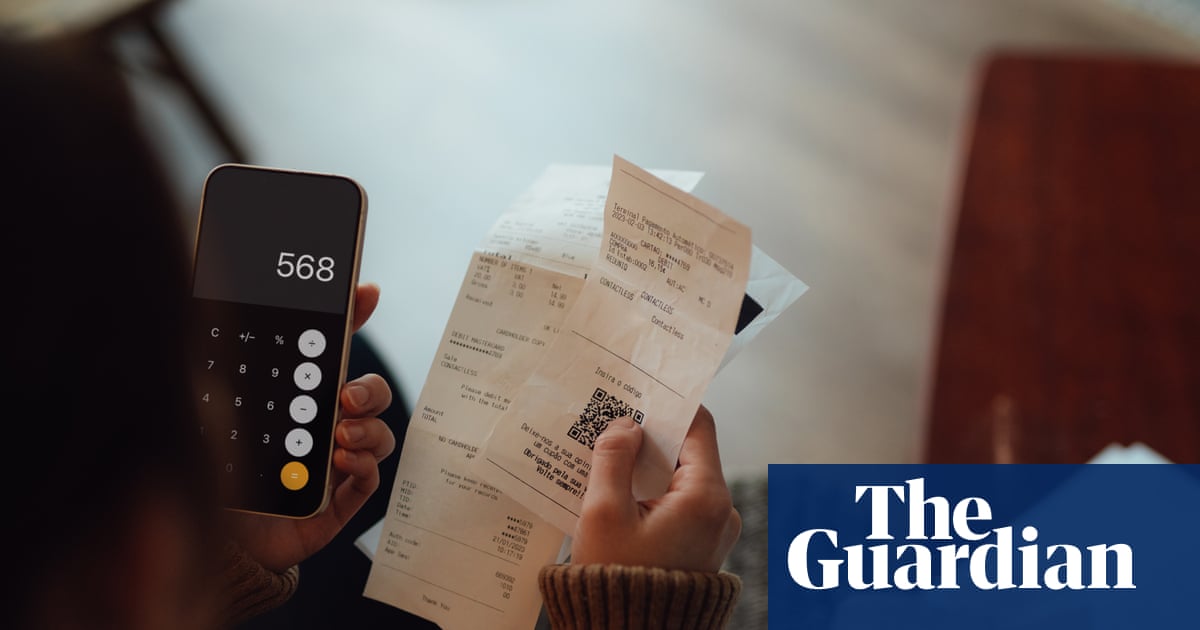
If I’m lucky, I can just about squeeze a £20 note into the back of my phone case, which holds the device I reflexively tap to pay for almost everything. But this week was different. After a reckless coffee-and-clothing spending spree made a mighty dent in my bank account, I decided I needed to take action. Self-control was one option, but another more drastic route was blunt-force restriction. I would ditch contactless payments, along with debit and credit cards. Instead, I would spend a week relying solely on cash.
After subtracting the lavish lattes and Asos deliveries that had massively inflated my average weekly spend, I allowed myself £180 for the basics, including food and travel. For safety, I gave myself an extra £20. The first task was to take out £200 in cash from the ATM. But what the hell was my pin number? Thanks to contactless capabilities, I hadn’t used this all-important combination of digits in more than a year. Googling how to find it, I discovered I’d have to wait three to five working days to get a letter reminding me of it in the post. This wouldn’t do. I decided to head to my local bank to explain my predicament.
“Have you got ID?” said the cashier. I did. “You can take out cash now,” he continued. Perfect. I left the bank with a wad of £20 notes, feeling optimistic about my cash-dependent week ahead.
Day 1. Starting balance: £200
I still had that week’s worth of money in my hand when a fairly strong gust of wind hit me, and I clasped the notes for dear life. I was going to need something to keep this cash safe. The thought of splashing a chunk of my budget on a wallet seemed irresponsible. There had to be another, more cost-effective option. I came across it in Tesco: a flat, translucent pencil case, slightly bigger than the size of a bank note. Perfect – and, even better, it cost just £1.
Before heading to the till with my purchase, I picked up a few others bits: 1kg of chicken (£7.90), three packs of Tilda microwaveable basmati rice (£1.05 each), a 200g bag of tenderstem broccoli (£1.35) and a 1kg bag of porridge oats (£1.35). I instinctively headed to the self-checkout machines when the slightly stressed employee directing shoppers yelled out: “Card only!” I lugged my basket to the long queue of people waiting for the cashier-staffed till. I could feel my foot tapping impatiently as customers made small talk with the woman behind the till, who scanned goods at a leisurely pace.
“Cash or card?” asked the cashier, but not before dispensing a few cooking tips. I pulled out my wad and handed over my first £20 note.
Total spend: £14.75
Day 2. Starting balance: £185.25
I usually ride a speedy Lime bike to Guardian HQ in London, and it only dawned on me when heading out of the house – and with 20 minutes to spare before my first meeting (it takes me 15 minutes to cycle in) – that Lime only accepts digital payments. OK, don’t stress, I thought, as I hyperventilated into my plastic wallet.
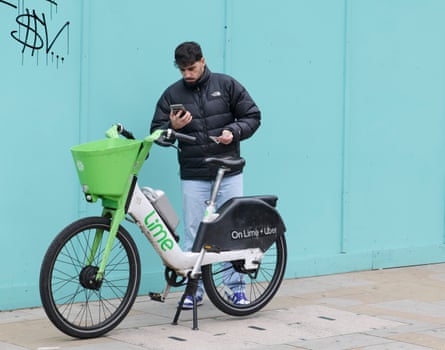
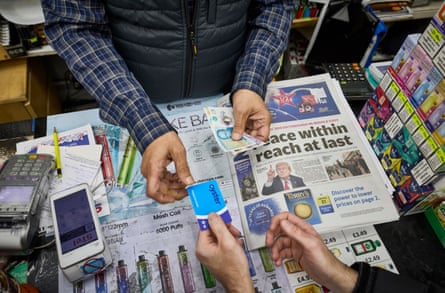
Time was ticking and even the bus stop was useless (buses in London haven’t accepted cash since 2014). Accepting the fact I would be late, I rushed to the corner shop to buy an Oyster card. After a small queue for the till (something I soon learned would be common in my cash-only journey), I asked how much an Oyster card would be. Surely it couldn’t be more than a fiver. £10, said the cashier, for the card alone. Open-mouthed, but aware of the time, I handed over one of my precious £20 notes, giving me credit on the card of £10, before running for the tube (which took £2.80 off my balance).
After a stressful morning, I fancied a Nando’s for lunch. Usually, I would pre-order on the app, but, surprise, this is only possible if you’re paying by card. I tried to give the nearby branch a call but, with the lunchtime rush approaching, no one answered, so I hurriedthere. My quarter chicken with spicy rice and tenderstem broccoli came in at £12 – but by the time I was handed my takeaway bag, I had just 20 minutes to eat it. At the end of the day, instead of beating the public transport crowds by whizzing home on my green, electric two-wheeler, I tapped in (another £2.80 from my Oyster) and joined them on the tube.
Total spend: £32
Day 3. Starting balance: £153.25
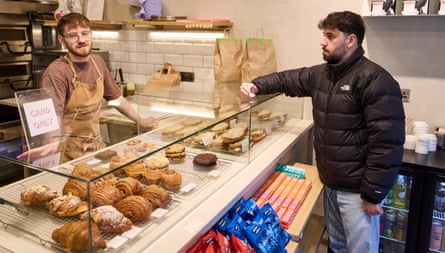
Do you know what I hadn’t had for a while? A fancy coffee. I headed to my local upmarket cafe where I have previously tapped away an ungodly sum, this time with loose coins weighing down my pencil wallet. I told the barista my convoluted order (a decaf caramel latte with oat milk), which would set me back £4.60. I readied my coins, smugly preparing to hand over the exact amount – but, instead of thanking me for saving him the trouble of working out the change, the barista simply tapped the sign next to the till: “Card only.”
According to Shankha Basu, associate professor of marketing at the University of Leeds, there are practical reasons why many businesses have shunned cash, including reducing the risk of theft. There are costs related to handling cash, too. “You need to keep a till,” he says, “and you need to make sure that at the end of the day, or the week, you physically go to the bank and deposit the cash.”. Card payments can feel like “much less of a hassle”. There’s also a more sordid side to this shift: consumers “think less about whether they need the product or not” with card or contactless payments, says Basu, and are more willing to choose more premium options or add-ons because “we are less sensitive to buying something that costs more than we initially intended to spend” when not physically handing over cash.
I left the card-only cafe empty-handed. Instead of trying another trendy, gentrified coffee shop where my physical tender would probably be rejected, I opted for a place where cash was not only accepted, it was king: the greasy spoon cafe. After queueing behind a group of builders, who all pulled out notes to settle their bills, I made a slightly less pretentious order: a black coffee with a splash of milk. At £1.50, it was a more humble brew, but it did the job.
I shunned the packed-out tube and walked the 50 minutes to the office. I also went for a slightly less lavish lunch: a Tesco meal deal, albeit the slightly fancier Tesco Finest bundle (£5).
Total spend: £6.50
Day 4. Starting balance: £146.75
To reward my cash-only discipline, I decided I deserved a treat: a takeaway. I am a takeaway addict who pays £4.99 a month for Uber One (which cuts down the sometimes hefty food delivery fees), and I usually make an order at least once a week. This means I’m used to having access to nearly every cuisine imaginable at my fingertips. But it turns out that most places, especially chain restaurants such as Wagamama, KFC and Dishoom, only offer deliveries through third party apps such as Deliveroo – and they only accept card payments. If I want a cash-friendly option, I need to go about ordering food the old-fashioned way– phoning a local takeaway with in-house delivery drivers.
I was hoping to keep things healthy-ish so I went for a chicken shish with chips (rice wasn’t an option). When I phoned, I wasn’t quite sure how it worked – would I just tell them what I wanted and where to send it? No card details, passport number or fingerprint scan to prove I wasn’t a fibber? And, more importantly, no tracker to see how far away my driver was? There were moments where I wasn’t confident I would be having dinner, but after about 40 minutes, it arrived. It was pretty cheap too: £11 with a drink. No inflated delivery charge, service charge or small order fees. Maybe ordering direct from a takeaway is the way to go.
Total spend: £11
Day 5. Starting balance: £135.75
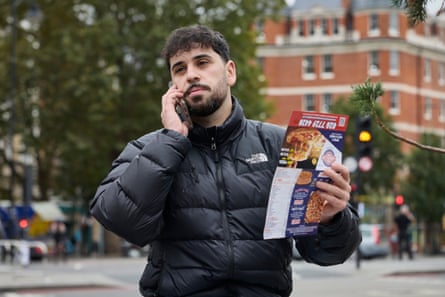
This was the real test: I decided to go shopping with a friend in central London. I usually go out with no intention of buying anything and come home with a dent in my bank account. I tapped my Oyster to enter the tube (£2.80 deducted from my topped-up balance) and had a wander around a few shops. At first, nothing really caught my fancy but then a fragrance I’ve had my eye on for a while was marked down in a clearance sale (from £180 to £90). It’s such a good deal, I kept telling myself. I pulled out my pencil case and counted the notes I had left: 66% of my remaining budget would be wiped out if I gave in, leaving me with £45.75.
There was something about feeling the stack of notes between my fingers that made me think twice. It physically felt like a lot of money. According to Basu, the hesitance I experienced is a common consumer behaviour. “Spending cash feels painful, because you physically experience something going away from you,” he says. In contrast, when you pay for things with cards or contactless methods, “that feeling of loss is a bit muted, which leads people to spend much more money than they otherwise would do.” I put the bottle down.
After my exceptional display of willpower, I went for dinner with my friend. A burger (£15) and three cocktails (£12 each) later and it was past midnight. I needed to catch the last train. I walked briskly to the station and tapped in. The barriers didn’t open. I didn’t have enough money on my Oyster. Panicked, I rushed to the top-up machine and shoved in a tenner. My train was leaving in two minutes. By the time my Oyster was replenished, I had one minute. I ran down the escalator in a mad hurry, breaking several health and safety rules in the process, and collapsed into the carriage before the doors shut behind me. A very close call and a reminder that the cash-only lifestyle means being topped up at all times.
Total spend: £61
Day 6. Starting balance: £74.75
My sisters and I had planned a day trip to Rye, East Sussex. Usually, I buy my ticket in advance on Trainline so I can scan and sprint through the barriers moments before the train departs, but I arrived at the station early, knowing I would need to buy my ticket in person. The total was £39.50. Out of interest, I checked the same journey on the Trainline app: £41.49; I’d made a £1.99 saving, which made the £2.50 bottle of water I bought during our changeover at Ashford International sting a little less. After arriving, we went for an ice-cream (£3 for a delicious soft serve) and had a wander around the charity shops. I left with three books, priced at £1 each and, while queueing in a line filled exclusively with cash-wielding people some years older than me, I felt like part of the majority when I proudly handed the cashier some coins.
For dinner, we went to a Thai restaurant where I opted for a £10 pad thai. I was the only person on the table not to brandish a card when paying our bill. My younger sister was startled and tried to insist she would cover my contribution for now, to speed things along, but I resisted and handed over my crinkly tenner.
Total spend: £58
Day 7. Starting balance: £16.75
I spent the day at home, doing nothing and eating the last of my Tesco shop, leaving me with a lot of time to reflect on my cash-only week. With more than a tenner left in my trusty and slightly worn pencil-wallet, I think it’s fair to call the week a success. I spent far less than I usually would and, more importantly, I really thought about every purchase.
I’m suddenly eager to pay for more things with cash – but I appear to be in the minority. According to a report by the trade association UK Finance, cash was used for 9% of all transactions in 2024: the first time this figure has dipped below 10%. In comparison, 34% of all payments were made in cash in 2017. A study last year by the cash machine network Link found that fewer than half of people in the UK now carry a physical wallet.but they’ll be stashed in my makeshift wallet alongside some trusty notes
UK Finance also predicts that notes and coins will account for only 4% of all payments made in the UK in 2034. After my cash-only week, this feels like a shame. Not only did I rein in my spending, but I had more face-to-face contact with people (the constant queues began to grow on me) and the slight restrictions (takeaway options, coffee shop choices) had actually made life simpler.
As for next week, my cards are coming out of retirement – but they’ll be stashed in my makeshift wallet alongside some trusty notes. I’m also looking forward to finding out my pin number.
Total spend: £0