3 months ago
63
3 months ago
63
With grimly apt timing, the annual Transparency International (TI) corruption perceptions index lands today. The news is not good. The world is growing more corrupt as it becomes less democratic. As for us, Britain is sliding downwards on the perceptions scale, seen at its lowest so far for probity.
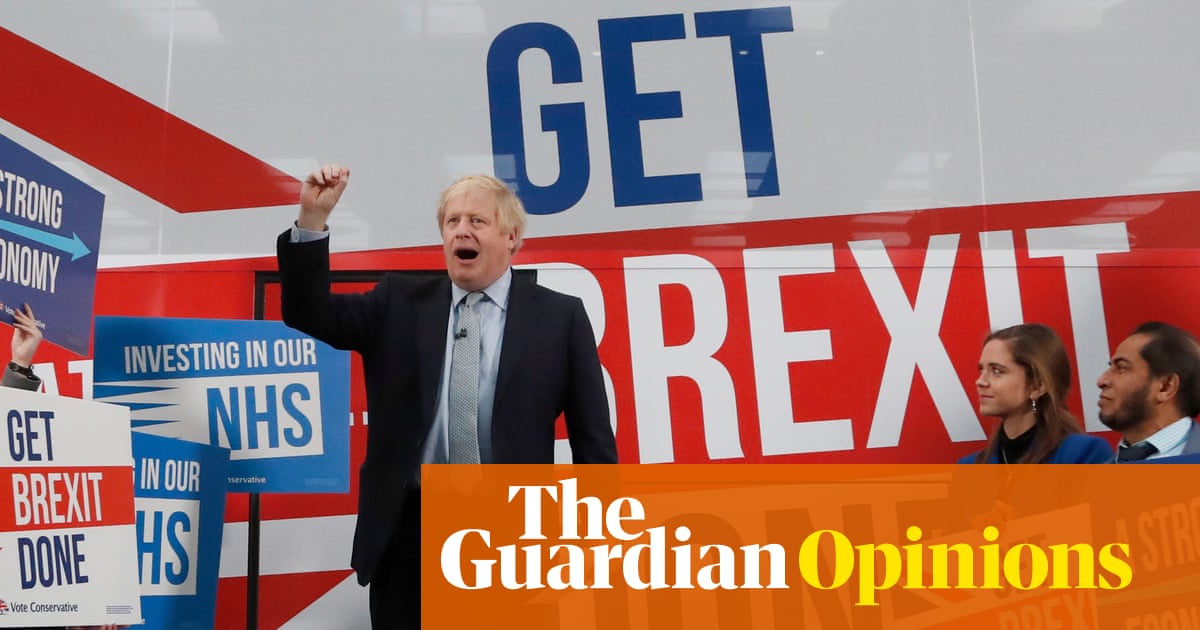
Once ranked in the top 10, at eighth place in 2017, we are now in 20th position. The UK’s score for corruption in government and public office has worsened according to this year’s Economist Intelligence Unit expert assessment. This index was sampled between January 2024 and September 2025 – before the current Peter Mandelson scandal – but it absorbs the last decade of misgovernance, fraudulent Brexit electioneering and Boris Johnson misdeeds. The chances are that next year’s ratings will take us further down this slimy slope. Unless, that is, prompt and radical action is taken to put up guardrails and close loopholes to protect against corruption of all kinds.
In speech after speech before the general election Keir Starmer promised to “clean up politics”. But he and others in his cabinet tripped at the first fence, accepting (though transparently declaring) gifts of clothes and tickets: analysis by Tortoise found the shadow cabinet “accepted more than £220,000 worth of free tickets and gifts for themselves or staff over the course of the last parliament” including “Glastonbury, the Proms, the British Grand Prix, Cricket, Wimbledon”. This is puny stuff compared with Covid contracts, where TI found that “multiple red flags in more than £15bn of contracts amounting to a third of all such spending points to more than coincidence or incompetence”. Or the Greensill scandal, when the former prime minister David Cameron lobbied ministers on behalf of a bank for which he worked and which subsequently collapsed. Look at George Osborne’s totally legal but disgraceful booty from myriad financial roles since leaving the Treasury. Accepting clothes and tickets was small potatoes compared with, say, Michelle Mone, but it tarnished the new government at a time when politics was already sinking to an ever lower ebb in public trust.
By 2024 the National Centre for Social Research had already found “trust and confidence in government are as low as they have ever been”, with fewer voters believing politicians would put nation before self-interest, or tell the truth in a tight spot.
Naturally Labour high-horsed it all through the unfolding Tory scandal years: what opposition could resist? In his 2024 new year speech ahead of the election, Starmer said: “To change Britain, we must change ourselves – we need to clean up politics. No more VIP fast lanes. No more kickbacks for colleagues. No more revolving doors between government and the companies they regulate. I will restore standards in public life with a total crackdown on cronyism.” Good advice to all prospective future prime ministers: dial down the language of virtue in opposition as your turn will come when others cry hypocrisy. Remember Immanuel Kant’s dictum: “Out of the crooked timber of humanity no straight thing was ever made.” Crooked stuff will happen.
Labour has not done all it could. Reforms have been tepid, and wrangling is delaying the forthcoming elections bill. Some key pledges will be there: votes at 16 and power for the electoral commission to investigate local candidates for breaches of political finance rules. Senior politicians have also urged a ban on crypto donations, which is likely to feature in the bill. There will be tougher rules on lobbying by former ministers, and on MPs’ second jobs.
But TI wants ethics watchdogs and the ministerial code itself to be firmly entrenched in statute, not left to the whim of prime ministers to change. The Mandelson appointment shows the need for tougher vetting of senior roles: Gordon Brown wants public confirmation hearings. The check on revolving doors is weak: TI wants stricter rules on how soon after leaving office ministers can lobby or take jobs relevant to their previous role, in order to stop them handing government contracts to future employers.
But unless the reformers win, don’t expect this bill to shift public perceptions of political honesty. This risks looking like tackling Westminster’s Augean stables with a teaspoon not a forklift, unless Labour calls time on the obscene buying of our politics by billionaire donors. The reform the public will most understand is removing big money from party funding – and reforming the Lords, where money has so often bought ermine. Labour’s manifesto said it would “protect democracy by strengthening the rules around donations to political parties”. Will it be bold enough?
Record sums were spent on the last election, reports the Electoral Commission, at £94.5m. Labour spent most, at £30m, the Tories £24m, the Liberal Democrats £6m and Reform £5m.
Shocking figures in TI’s report show £48.2m from donors alleged or proven to have bought access and/or honours: read it to find things are far worse than I suspected. The draft new bill (so far) only tinkers, tightening up on foreign donations, but it wouldn’t stop Elon Musk’s rumoured $100m gift to Reform if it came from his UK-generated profits. Crucially, there is no cap on donations. Spending by parties and constituencies needs a tighter cap too.
To take cash out of politics would be brave and difficult: Labour would have to sacrifice union donations, except from individual union members. As in other countries, the state would have to part-fund politics: Tories would use this to stir up taxpayers against it, just to keep a system that usually favours them. But the sum from the exchequer would be minuscule compared with the benefit of cleaning up Westminster. Helena Kennedy’s 2006 proposal to let voters tick a box at elections for where their share of public funding should go would democratise the state’s contribution. Will Labour candidates for leadership seize this? The Epstein/Mandelson papers reveal yet more filth about the filthy rich controlling politics while the naked kleptocracy of the Trump regime warns us of the weakness of rules on cash and power. Don’t let this scandal go to waste.
-
Polly Toynbee is a Guardian columnist
-
Guardian Newsroom: Can Labour come back from the brink? On Monday 30 April, ahead of May elections join Gaby Hinsliff, Zoe Williams, Polly Toynbee and Rafael Behr as they discuss how much of a threat is Labour from both the Green party and Reform and whether Keir Starmer can survive as leader of the Labour party? Book tickets here or at guardian.live