2 months ago
60
2 months ago
60
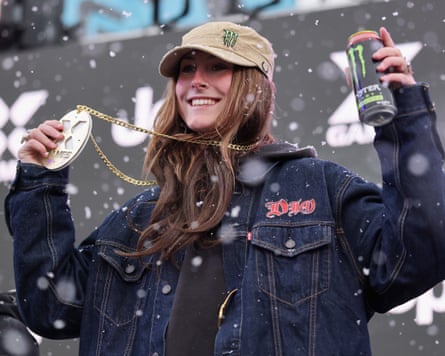
Just days before the Winter Olympics in Milano-Cortina, the young Team GB members who think nothing of flying 30ft in the air while spinning like gyroscopes have once again proved they have the X Factor. Last Friday, Mia Brookes, 19, soared to X Games gold in the snowboard slopestyle in Aspen. Zoe Atkin, 23, followed suit in the freeski superpipe nd before the weekend was through Kirsty Muir, 21, added a third gold in the freeski slopestyle, along with a big air silver.
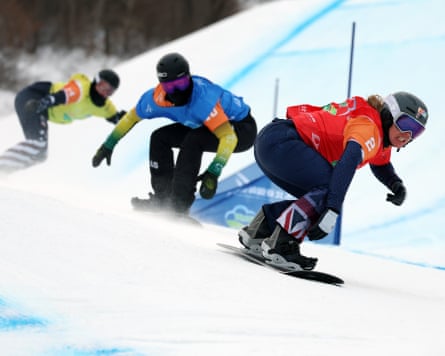
All told it was a hugely successful time for GB Snowsport, with Charlotte Bankes winning her first World Cup snowboard cross event since breaking her collarbone in April in China the previous week. Little wonder, then, that Atkin is bullish about the British skiers’ and snowboarders’ chances in Italy.
“We have a really strong team,” she says. “We have so many amazing snowsport athletes, like Mia, Kirsty and Charlotte, and we’re finding our stride at the perfect time.”
That belief is shared by UK Sport, which forecasts Team GB could win up to eight medals, eclipsing the record five achieved in Sochi and Pyeongchang. If they do, strong performances from Atkins, Brookes, Muir and Bankes, along with the curlers and sliders, will be key.
Four years ago, GB Snowsport expected to win a couple of medals at the Winter Games in Beijing, but left empty-handed. Soon afterwards they had their funding for the Milano-Cortina cycle cut by UK Sport, from £9.53m to £7.27m.
The decision felt harsh, given Covid restrictions and Brexit meant British athletes had less time to prepare on the snow than many others. Beijing during lockdown was no picnic either.
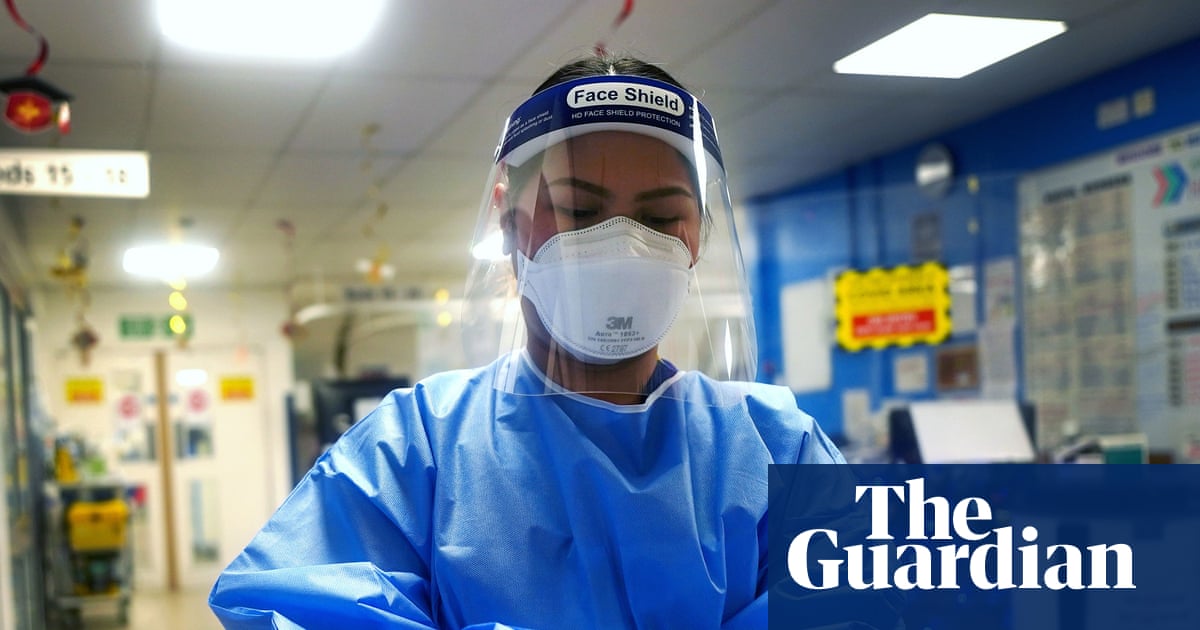
Vicky Gosling, the chief executive of GB Snowsport, says: “Having been in austere environments with my military background, I can tell you it felt hostile and austere when we arrived there. Everybody was in hazmat suits, wheeling us off the plane. You were tested for Covid every day. And it was -26c.”
It didn’t help either that during a test event a Team GB coach was whisked off for 24 hours to a hospital, where doctors took blood from him. “Some of the things that happened in Beijing, you couldn’t have planned for at all,” says Gosling. “After all, a Norwegian cross-country skier’s penis froze.”
So how did the GB’s Big Tricks and Adrenaline Dept get its mojo back? Part of it is down to a young team being four years older, better and more experienced. Muir, who finished fifth and eighth in her two events in Beijing, says: “Seventeen-year-old Kirsty was just a bit shy and nervous all the time. Now I have more confidence. I am really happy in my skiing and I’m feeling really good.”
GB Snowsport, which will supply 20 of Team GB’s 53 athletes for Milano-Cortina, believe it has introduced a range of measures, big and small, that have made a major difference. In sports where speed is the major factor, say, special tech skinsuits have been introduced to reduce drag in competition, allowing athletes to go faster.
To help athletes mentally prepare, there has not only been more investment in sport psychologists, but also more innovative thinking. Last year, Muir and the freeski park & pipe team went through a free-diving programme during the off season in order to develop techniques that would help them mentally during high-stress competition.
More of the team’s summer training has been pushed to the southern hemisphere to avoid the challenges of lost summer glacier conditions in Europe. Gosling cites the team’s culture – and the recruitment of coaches from France, Canada, Norway and Australia, as well as Britain – as another factor. “The way we operate is by getting world-class coaches and empowering them to be decisive on the hill,” she says.
“It’s like a military model: hub and spoke. We are decentralised. We’re a tiny little central team. But we give our athletes and coaches all the tools – whether it is strength and conditioning, equipment or physio support – they need.
“We’ve gone from a mentality of being grateful for being at the start line to one where we want to win. That’s the difference.”
It hasn’t always been easy. The UK Sport cuts left Gosling scrambling around to find sponsors to make up the deficit. On one occasion, she and the GB Snowsport head coach, Pat Sharples, slept in a car in Verbier when their cheap hotel shut for the night and they felt they could not justify paying for another one.
It is clear Gosling is immensely proud of the team, many of whom defy the stereotypes of coming from privileged backgrounds, and what they have accomplished. The slalom skier Dave Ryding started at the age of six on the 50m Pendle dry slope in Lancashire. Muir began skiing aged three in Aberdeen. Brookes’s parents, a mechanic and a hairdresser, combined their jobs with their love of snowboarding by driving around the continent in a camper van.
“Our athletes do not come from high wealth, but what they are is Brits with grit,” says Gosling.
The hope is that the team’s excellent results since 2023 will get their just rewards at the Winter Olympics. While there is the usual caveat – skiing and snowboarding are high-risk, high-reward sports and thus more subject to variance – Atkin is confident everything that could have been done has been.
“We get so much support from the team, which has been huge,” she says. “I think this Olympics is going to be a good one for Team GB.”