3 months ago
73
3 months ago
73
10. Bitchin Bajas – Inland See
Chicago minimalist trio Bitchin Bajas are experts in crafting the ultimate slow burn, with a discography full of soundscapes that often stretch languorously around or beyond the 10-minute mark. Their latest record follows suit with four winding, blissed-out tracks over a 40-minute run time. But it’s not just overindulgent lounge music: the analogue loops quietly build to transcendental heights, nudged along by wandering sax solos, spritely keys and other cosmic flourishes. It’s a lush, often moving odyssey which, towards the end of the epic 18-minute closer, climaxes in an effervescent flurry.
9. Trystero – Humming Fuzz
In 2024, Trystero emerged seemingly out of nowhere with an album that sounded like it had been ripped straight from a lost 80s tape, marrying moody krautrock and downtempo dance music. The now-expanded group of Luxembourg musicians (who met through a residency on a barge in France) carry the same hypnotic formula to this year’s follow-up, but with an added stroke of lightness and a fun dancefloor kick. Here, there are also shades of acid house and big beat: playful percussion, euphoric synth stabs and baggy basslines energise the dense, swirling instrumentals.
8. Alpha Maid – Is This a Queue
Much like her collaborators in the Curl Recordings universe and their post-punk predecessors, south London musician Alpha Maid twists the guitar into janky, angular shapes on this battered but brilliant album. Across its nine tracks, simple hooky riffs and reverb-heavy meanderings coalesce with other DIY elements, including grimy, off-kilter loops and squawking sax flourishes from experimental composer Ben Vince. At points it’s pleasingly melodic (6-9, 2 Numbers), at others, things get out-of-hand, as in Why We Have to Move, which features the frenzied drums of percussionist Valentina Magaletti. Even at its most chaotic, Alpha Maid’s vocal delivery remains dry and effortlessly cool. Read the full review
7. Saeko Killy – Dream in Dream
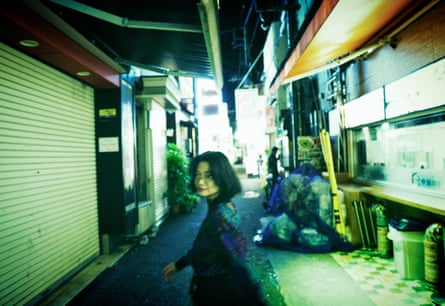
Saeko Killy has built a reputation in underground music circles for her swampy, downtempo productions, which sound suited to some otherworldly late-night dancefloor. On her second album, Killy offsets her signature dimly lit sound with a euphoric touch: dreamy Japanese and English vocals, arpeggiated synths and birdsong samples weave in and out of dubby basslines and swathes of echo. Alongside these chugging excursions, there are also references to 80s guitar music – tracks such as Next Time and Melancholic have a skippy post-punk vibe, complete with krautrock-y psychedelic spirals – and hints of functional dance music. But even the most club-adjacent tracks have a dizzying effect.
6. Chris Imler – The Internet Will Break My Heart
Berlin-based musician Chris Imler conjures all the dark, heady feelings of too much time spent on the internet on this record – and it’s just as moreish. Compounding elements of krautrock, post-punk and downtempo dance music, the tracks often sound as seedy and stuffy as their subject matter: he chants the miscellaneous contents of a late-night doomscroll over an eerie robotic loop on Liturgy of Litter, and jackknifes from war into sex in the chugging Let’s Not Talk About the War. Standout single Agoraphobie (featuring underground experimentalist Naomie Klaus) is also suitably, and brilliantly, claustrophobic. Read the full review
5. Raisa K – Affectionately

After more than a decade in bands and various DIY projects (most notably Good Sad Happy Bad), south London musician Raisa K made her first big solo outing this year with her debut album Affectionately. Written between a busy work and parenting schedule, and produced entirely on her laptop, the record is as primitive and intimate as a diary entry. K’s lyrics are plain and her delivery is cool, almost deadpan, as she ruminates over the sweet sentiments and everyday dramas of relationships: on the title track, she mumbles “we never have anything to talk about” over and over, like an absent-minded mantra. Her woozy melodies, made from rickety drum loops and scuzzy electronics, are just as low key and charming. Read the full review
4. Sacred Lodge – Ambam
One of the first things you’re struck by in Sacred Lodge’s second album is his growling, death-metal-pitched voice: sometimes it’s the centrepiece – dense and in your face – and at other times it’s just texture, stalking around his foreboding instrumentals through echo-laden yelps and cries. Inspired by the tradition of field hollers and ritual chants, the vocals are one of the Paris-based sound artist’s nods to his ethnological research, which focuses on ethnomusicology and his own Equatoguinean heritage. The sense of urgency is sustained elsewhere, too: through the turbulent drums, the steely, horrorcore-influenced electronics and the deep, murky low end. It’s a thrilling listen. Read the full review
3. feeo – Goodness
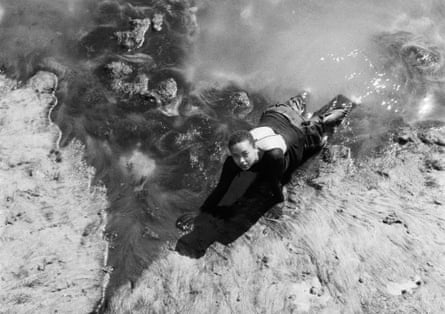
The 11-track debut album by south London-based experimentalist feeo is a great introduction to an exciting, shapeshifting artist. There are echoes of her improvisational project Grain Residency in these droning compositions, which fuzz and mutate, punctuated by spoken word features and field recordings. They also show off feeo’s talent as a vocalist. She has a gorgeous voice, which saunters between eerie, breathy whispers and full-on mellifluous croons. Parallels could be drawn to a generation of alt-electronic musicians such as Sampha and James Blake, but these warped tracks feel uniquely innovative.
2. Dania – Listless
The dreamy, downtempo sounds of trip-hop have been ubiquitous this year, in underground and commercial releases alike. Listless, the new album by Baghdad-born, Barcelona-based producer Dania, is one example, with slow, syncopated drum patterns and murky textures embedded throughout the synths and soft layered vocals. But it doesn’t feel like an opportune case of hopping on the bandwagon: the palette is perfectly matched to the album’s theme: written and recorded after midnight, and inspired by Dania’s experiences on night shifts as an emergency doctor, it is an atmospheric, occasionally brooding, musing on the nocturnal hours. Read the full review
1. Joanne Robertson – Blurrr
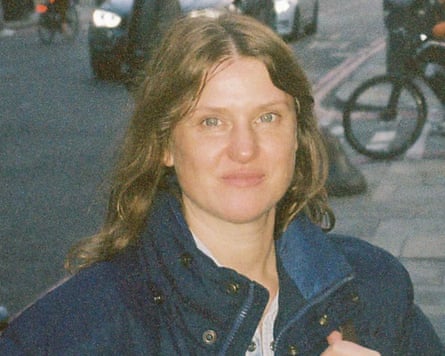
For many years, Glasgow-based painter-musician Joanne Robertson has been making beautiful, understated songs using little more than her voice and acoustic guitar. It’s music that might sound straight-up pleasant if it wasn’t tinged with only the slightest streak of the uncanny (an element that makes her an ideal match for past collaborator Dean Blunt). Her new album is full of gorgeous, wandering tracks with a warm but ghostly atmosphere: stray guitar strums flicker beneath Robertson’s soft voice, which is sometimes shy, sometimes yearning. It’s a simple formula, but somehow it’s full of feeling. The fact that many of the tracks sound as if they were recorded at home, bookended with string squeaks and amp echoes, only adds to the intimacy.