3 months ago
64
3 months ago
64
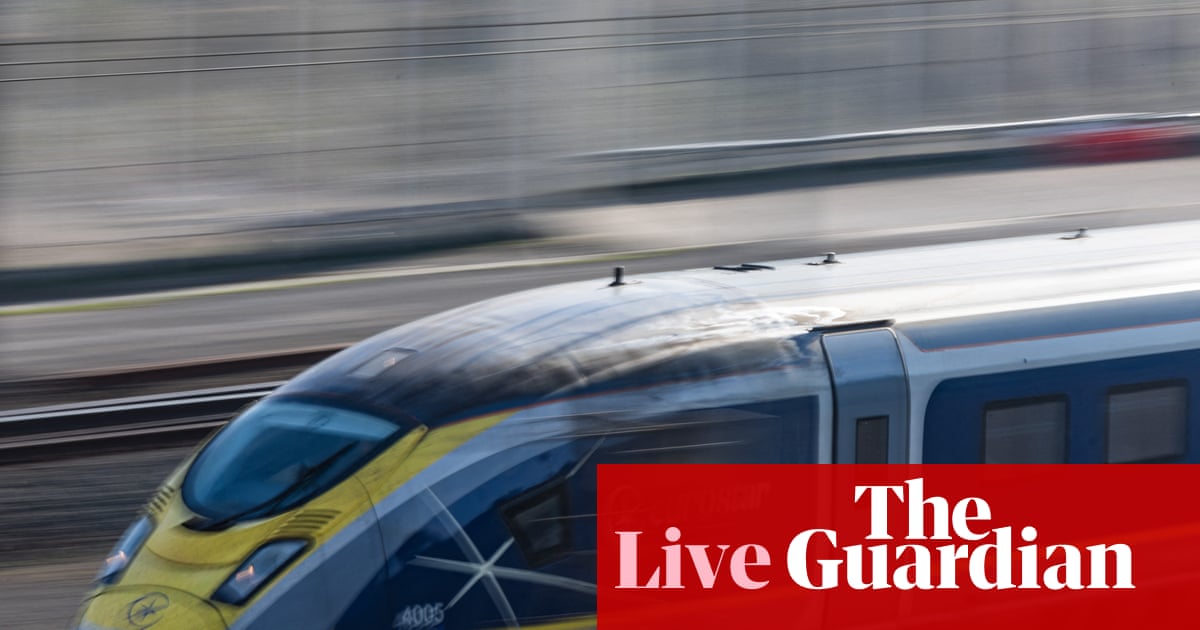
When the European Union made its 2020 commitment to achieving net zero carbon emissions by the middle of the century, there was a wave of excitement about what that might mean for the continent’s most romantic form of travel. The golden era of night trains had, it was previously assumed, gone for good amid the rise of low-cost, short-haul flights. But the new environmental imperatives suggested that they could be a glamorous part of a greener future, delivering a climate impact that was 28 times less than flying. The European Commission enthusiastically identified a plethora of potential new routes that it judged could be economically viable.
Sadly, due to a series of challenges that Brussels and national governments have done too little to address, the renaissance appears to be stalling. Last month, a two-year-old night service linking Paris with Vienna and Berlin was scrapped after state subsidies were removed. The French operator, SNCF, has claimed that without financial assistance, the particular costs associated with running a night train are simply too high. Meanwhile, a petition was vainly launched to save the new Basel-Copenhagen-Malmö route, which was due to open in April but has also been derailed by the withdrawal of state funding.
Demand is not the problem. The Paris-Vienna route boasted an occupancy rate of 70%, and the evidence consistently shows that the European public would back an expanded, affordable and modernised network. One YouGov survey found that in Germany, Poland, France, Spain and the Netherlands, 69% were willing to take night trains, while almost three-quarters of respondents believed rail travel should be cheaper than flying on equivalent routes.
That is seldom the case however, thanks partly to VAT charges in some countries, from which international aviation is exempt, and track access charges that are more onerous on longer journeys. A dearth of new rolling stock also means that not enough trains are available to satisfy demand, meaning services are booked up months in advance, and often deploy carriages that saw their best days in the 1970s and 80s.
Much more needs to be done to develop a travel option that people clearly want, and which allows them to reduce their carbon footprint when on the move. As the campaigning organisation Back-on-Track.eu has argued, countries such as Germany, which continue to charge VAT on cross-border routes, should drop them and move to create a more level playing field with air travel. Track access charges should also be radically reduced or suspended, reflecting the environmental good an enhanced night train network would deliver. Having identified the potential in a revival, the EU needs to come up with the financial backing and strategic thinking that will encourage investors deterred by the short-term uncertainties of a nascent and fragile market.
Popular support for such moves can be assumed. About 75,000 people signed a petition to try to preserve the Paris Nightjet to Berlin and Vienna, while last month campaigners staged “pyjama party” protests at stations in 11 European cities, in an attempt to draw attention to the stalled night train revival. The mystique and fascination of a night-time journey across a sleeping continent still exercises a hold on the imagination of millions of Europeans. In Brussels and other capitals, the challenge is now to convert that enthusiasm into tangible environmental gains by giving the public what they want.