2 months ago
65
2 months ago
65
This was taken in a village in rural Moldova that no longer exists. Thirty years ago, Dobrușa had a population of 200, and was typical of settlements found across the country after the fall of the Soviet Union in 1991. When this man Grisa moved there in 2000 to start a sheep farm, the population had declined to 70. When this was taken, in July 2019, he was the sole resident of the village. He was 65.
A few months before I took it, the only other remaining residents – a couple in their 40s – were murdered by a farmer from a neighbouring village. Their half-naked bodies were found on the ground. They’d been beaten to death. It was a very dark story and, after this terrible incident, Grisa told me he no longer felt safe living alone there. He was thinking about moving to a bigger village.
He had a lot of animals so was not completely alone: turkeys, geese, chickens, pigeons, bees and 120 ducks, many of them in the picture. His day began at 4am. When I went to photograph him for an assignment on the rural areas of Moldova for the New York Times, I wanted to start the day as he did, at sunrise. He offered me a cup of coffee when I arrived – then he presented me with a glass of wine, which was how he started his day. He would then tend to his animals, pick his vegetables and collect his honey, which he sold at a local market. Later, he would go back to make food for himself. He lived a very simple life. He showed me pictures of when he was a soldier in the Soviet army.
I don’t know what it’s like to live like this, but in my photographs, I try to bridge the gap between different places or cultures. I see photography as a way to connect people, despite their differences in culture, upbringing or social class. I photograph intimate moments that offer a glimpse into scenes we all recognise: a mother waking her child, a couple having a walk in silence, a family dinner or birthday celebration. These very ordinary moments reveal something extraordinary about our shared humanity, its unique beauty. Next month, at my solo show Tribute to Odesa, I will present the work I made on assignment during the conflict in Ukraine that shows an unseen side to the war.
Grisa said loneliness kills you slowly – but he also found deep joy in solitude and quiet. He enjoyed reading books, he had friends who still came to visit. Grisa had little income – he was living with almost nothing – but there was still beauty in this place. He called it a little heaven. He loved walking on his land and spending time with his animals, in the peace and the quiet. So this is a tribute to what one man can do, to the magical place he created.
This was taken at the end of the day, at sundown. It captures that reflective, charged moment, when you pause and look back and realise what you’ve achieved and feel content. I could imagine the same moment. I think everyone has these feelings at the end of the day or the year. Grisa’s little heaven was revealed in that moment.
Tribute to Odesa is at Oxo gallery, London, 11-18 February; vanconlaetitia.com
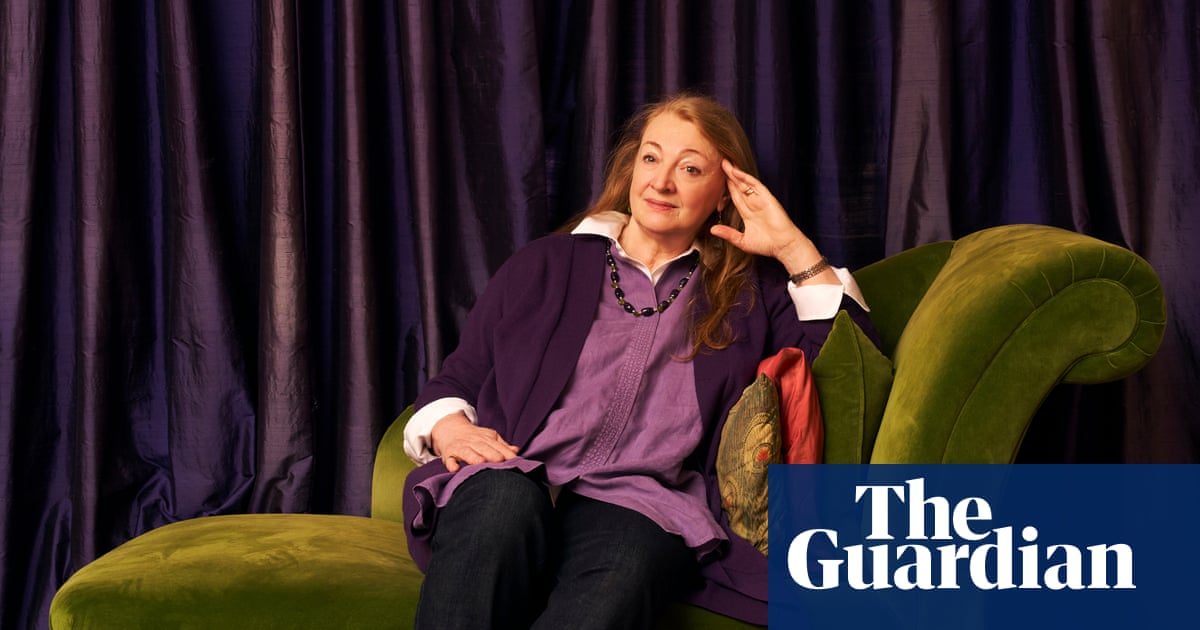
Laetitia Vançon’s CV
Born: France, 1979
High point: “My Prix Pictet nomination in 2025 for work made in Ukraine – all the hard work for so many years being recognised and acknowledged.”
Top tip: “Be curious. Believe in your intuition and instinct when you have a story to tell.”