1 month ago
69
1 month ago
69
When The Rapture by Liz Jensen was first published, in 2010, it was set in a near-future when temperatures in the UK are rising to unbearable heights, culty-Christian groups with apocalyptic bents are springing up all over the place and there is a growing sense that the world is going mad. Swap out “culty-Christian” for “political extremists bent on embracing the apocalypse rather than trying to save us from it” and it would be a deluded soul indeed who wouldn’t place it among fiction’s more prescient offerings.
The adaptation that has arrived on our screens 16 years later – a study in physical and mental discomfort – is the perfect accompaniment to our current record-breaking, fear-inducing heatwave, and gains a lot of power from our growing collective awareness that the future is finally here.
Clinical psychotherapist Dr Gabrielle Fox (Ruth Madeley) is still coming to terms with an apocalyptic event in her own life: a car accident that killed her husband and left her paralysed from the waist down. She was the driver and is pursued by guilt, which she discusses in weekly sessions with her own psychotherapist (Ruth Jones) – because physicians are the worst at healing themselves. But after two years, she must go back to work.
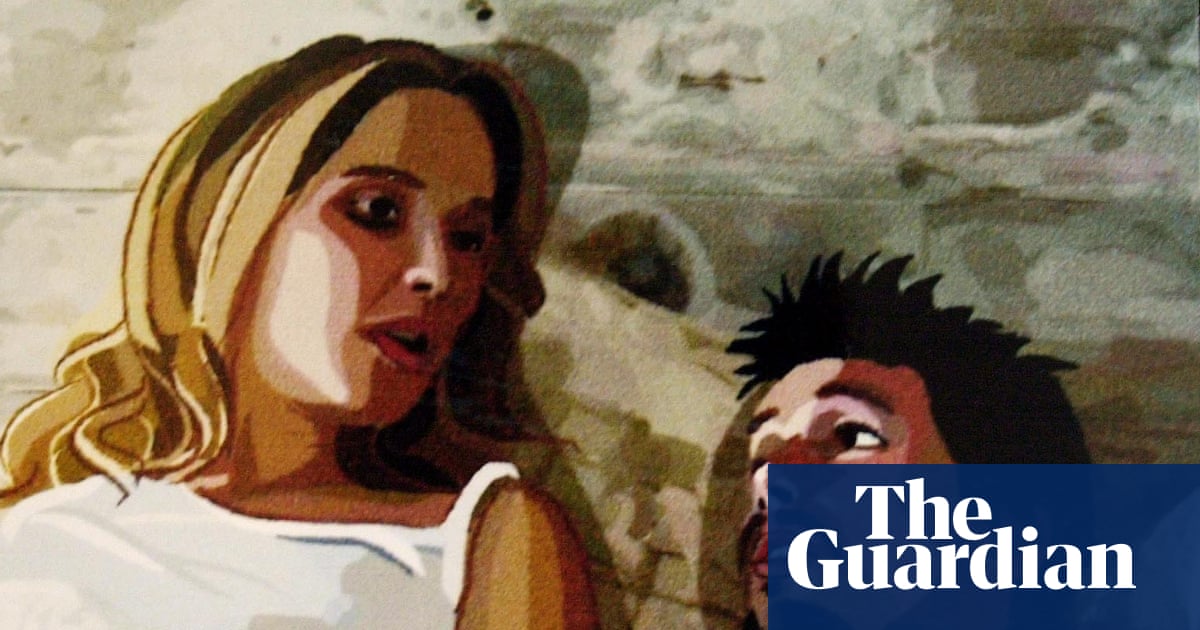
Her first case, at the adolescent secure psychiatric unit at Oxsmith hospital, is a humdinger. Seventeen-year-old Bethany Krall (India Amarteifio) was convicted of killing her mother Carys (screwdriver, eye) when she was 15, and has been locked up on the unit, pretending to take her anti-psychotic meds, ever since. She has no memory of attacking her mother and denies doing it. There were no witnesses but she was the only one in the house at the time, definitely the only one covered in blood immediately afterwards and certainly the only one who had drawn a picture of her mother with a screwdriver poking out of her face a week before it happened.
Bethany claims her drawings are of her visions, not plans. She does them with her eyes closed and they usually involve death or destruction. Her nurse Rafiq (Naby Dakhli) says that the scenes they depict come true and is convinced she is a prophet. Gabs, as a woman of science and observer of human complexities rather than supernatural forces, suspects that Bethany is at best disturbed and at worst mentally ill – and, in either case, in need of treatment rather than obeisance. But then Bethany reveals knowledge of some private details of Gabs’ life, and seems to have drawn a picture of her long before anyone knew she would be assigned her case.
Bethany’s father, Leonard (Sam Hazeldine), just wants to help his daughter. “I’m desperate to see and support her,” he assures Gabs when she visits him at the well-appointed Faith Way centre, where he leads a sect united under the exhortation “Choose hope”. Leonard broadcasts sermons online and preaches against environmental activist groups such as the increasingly militant Climate Front, who, he believes, are frightening people with their doom-mongering ways. We do not like Leonard. In this we are joined by his daughter, who has been refusing visits from her unsettling papa ever since she was arrested. She is unwilling to be used – as she believes her mother was – as a pawn in his game of “playing the good Christian”.
There is an awful lot going on in The Rapture. To all the above we must add an investigative journalist, alternately clarifying and muddying waters; a charming (possibly too charming) new love interest for Gabs; and a mystery woman who might be able to tell them more about Carys’ death, if Gabs can identify her from one of Bethany’s vision-sketches. And that’s just the first two episodes, which were all that were available for review of the total five.
It is clearly aiming for a lot thematically, too. How do we account for the destabilising forces of grief and guilt? How do guilt and grief manifest at a collective rather than individual level? Where do the lines between madness and sanity, impassioned but rational belief (in the climate crisis, say) and religious fervour lie? The overall effect is chaotic. Much is gestured at, and the story has some promising leads, but unless the remaining three episodes become much leaner and clearer, we are probably doomed to frustration.
Nevertheless, the Rapture has smaller-scale scenes and moments that work incredibly well. One is the first crack in Bethany’s wall of denial regarding her part in Carys’s death. Another is Gabs negotiating the new mental and physical territory that comes with her first potential relationship – with Frasier (Jack Farthing) – since she became a widow and a wheelchair (and catheter, it is unobtrusively noted) user. Yet another is journalist Dick (Iwan Rheon) drinking but trying to keep bitterness and collapse at bay. A little less all round could have made The Rapture into a lot more than it – so far – is.