2 months ago
33
2 months ago
33
Historically Black colleges and universities (HBCUs), most of which were founded during the Reconstruction era following the civil war, hold invaluable historical archives full of documents, photographs and, in some cases, even films. The archives are a testament to the lasting importance and influence of Black American history in the US, documenting more than a century’s worth of history.
A lot of the priceless images, however, are in boxes or storage, usually inaccessible to the public and many times at risk of damage or being lost. The Getty Images photo archive grants program and its HBCU collection seeks to bridge the gap between helping HBCUs preserve their archives and getting both historical images and new ones to the wider public.
“We realized that there was a lack of content coming through from HBCUs,” Cassandra Illidge, vice-president of partnerships and HBCU programs at Getty Images, told the Guardian. “HBCUs hold such a rich history. We wanted to build something that was unique and specifically would address their needs.”
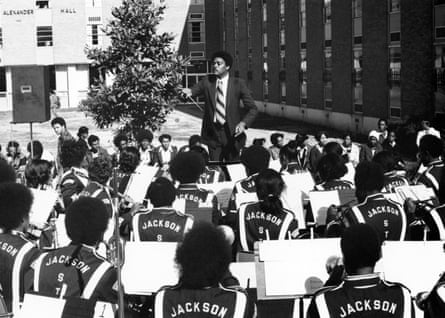
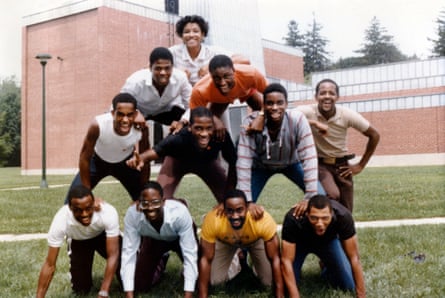
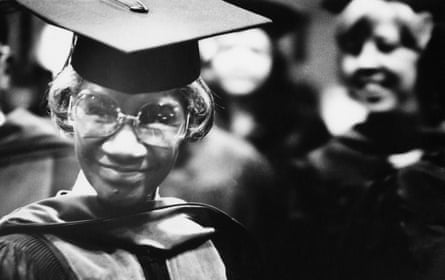
Through the grant, 11 HBCUS are either in the process of or have already had their archives digitized – and, Illidge said, the team plans to expand to more schools. The newly digitized images are available online for use or purchase.
Launched in 2021 in partnership with the Getty family and Stand Together, a philanthropic organization, the grant helps HBCUs shed light on the histories they hold. Participating HBCUs retain full copyright ownership of their materials, and all of the proceeds benefit the institutions – 50% of the licensing fees go to the HBCU, 30% support scholarships for students and 20% is reinvested in the Getty Images photo archives grant to support the photo digitization process for future HBCUs.
“We’re able to monetize or realize some money from some of the images that are just really very rare if you’re looking for things that really depict African Americans, especially through the centuries,” Brenda Allen, president of Lincoln University, the first degree-granting HBCU, told the Guardian. “It’s been very helpful in not only bringing in a few dollars, but also helping to get that history of movement out in the world, not to mention what it’s doing to help us to really upgrade and sustain our archives.”
So far, two schools, Lincoln University and Jackson State University, have selected to join an initiative with Ancestry. That first-of-its-kind genealogy-focused partnership further helps facilitate the digitization of historical documents and photographic archives at the HBCUs, then makes them searchable on Ancestry’s website.
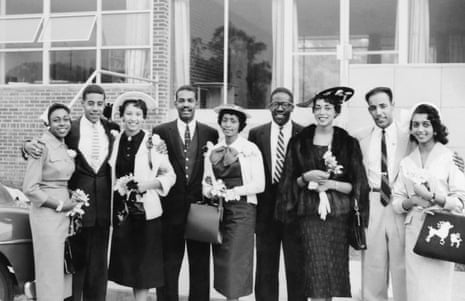
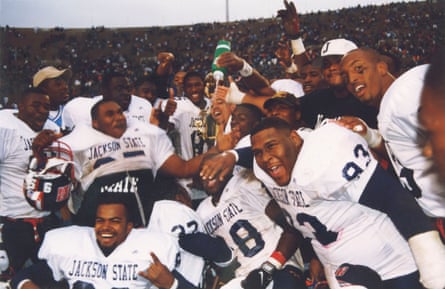
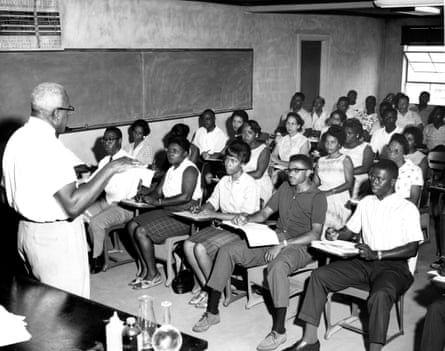
“Ancestry has been doing a great job in taking some of our old things – these things go back to the 1800s – and they have actually taken them and re-digitized them. What we had as special collections, you would go through and somebody scanned them in on Microsoft or something like that, but now, through our partnership with Ancestry, we’ve been able to really upgrade those documents,” Allen said.
The Getty team visits each campus, and, working with the institution’s administration, goes through its archives – boxes and folders – to find content.
Not everything is scanned. Getty gives administrators insight into what is commercially viable: group photos of interesting looking people, notable figures, a beauty shot of the campus in the 1800s, the founders of the university. They’ve found photos of presidents of one institution who eventually began to work at other institutions; civil rights leaders on tours of campuses; famed athletes when they were just college students.
“We’ve seen beautiful photos of just people living their life – an amazing photo of this woman who was driving a vehicle in 1900,” Illidge said. “Every school we’ve gone to, we found photos of Jesse Jackson just being Jesse Jackson, interacting with students, inspiring them to vote. We’ve even found chrome negatives, we found a negative of Muhammad Ali in Florida at an event … The cool thing is that, at every turn, whenever we find something interesting, the school is actually inspired and also shocked, at times, that it was even in the archives. And now they can share their story.”
It’s a not-for-profit initiative, so the key, Illidge said, is that Getty is supporting the need for customers to gain access to new content. In the process, the company is also building a community between the schools. Getty hosts quarterly calls with all of the HBCU partners to discuss their challenges, successes and to share best practices. The company has also been mentoring photographers from the selected HBCUs and signing them as contributors to Getty images.
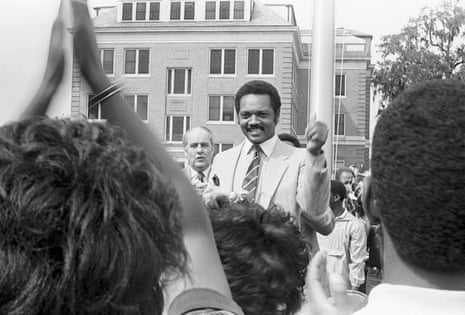
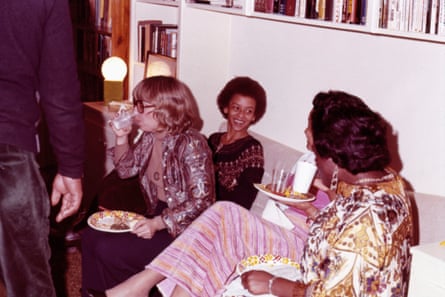
Claflin University, in Orangeburg, South Carolina; North Carolina Central University, in Durham, North Carolina; Jackson State University, in Jackson, Mississippi and Prairie View A&M University, in Prairie View, Texas were the initial four grant recipients.
Since then, Southern University and A&M College, in Baton Rouge, Louisiana; Lincoln University in Lincoln, Pennsylvania; Delaware State University in Dover, Delaware; Stillman College in Tuscaloosa, Alabama; Bennett College in Greensboro, North Carolina, Florida A&M University, in Tallahassee, Florida and Alcorn State University, the first public land grant HBCU, in Lorman, Mississippi, have also been selected for the program.
“For us, we’re just getting started, 11 institutions out of over 100,” Illidge said. “We’re just starting to scratch the surface. The more, the merrier. We’re excited about who will be launched next in the program.”
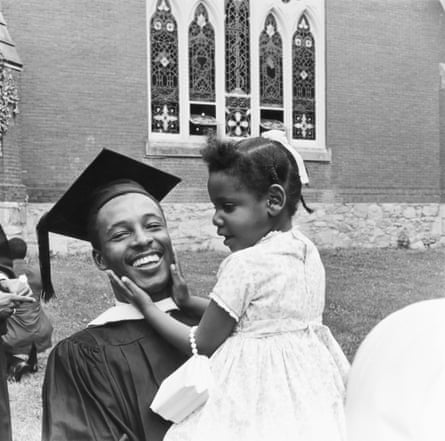
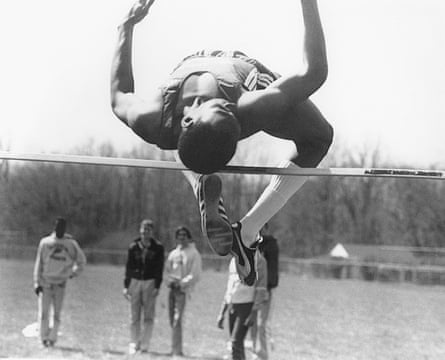
Many of the institutions own famous images, ones that have penetrated the cultural and historical zeitgeist without any credit to the school or to the photographer.
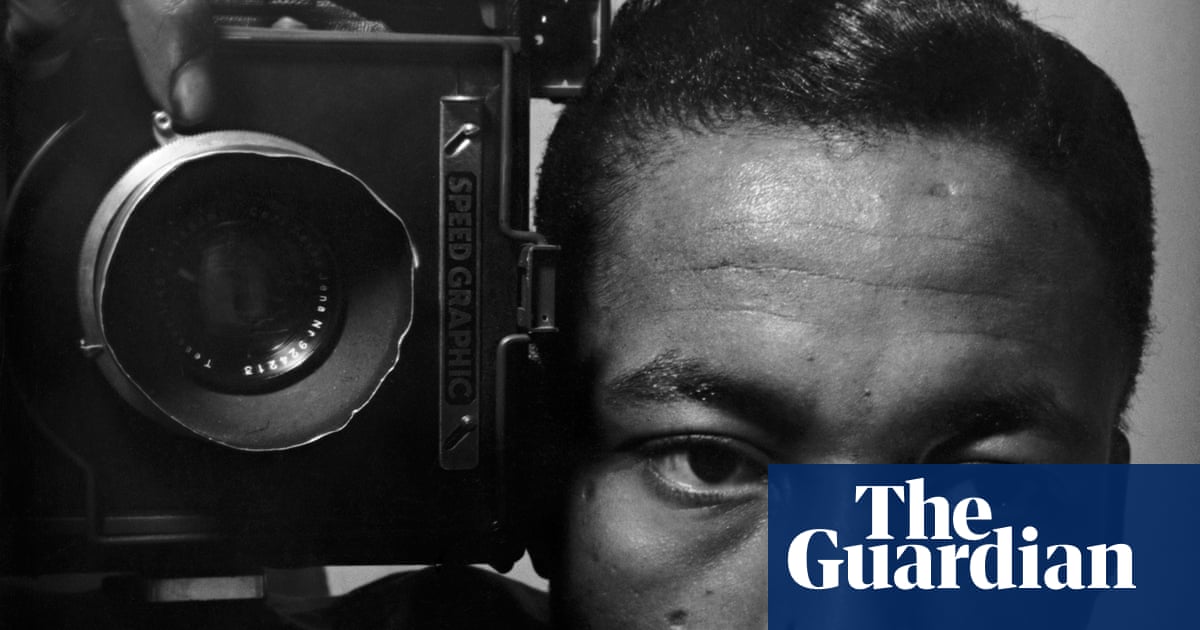
One such image is of a young Black man in the Jim Crow era south. In a black and white toned photo, the man gazes defiantly at the camera as he drinks from a whites only fountain. That image has made its way across the globe, on social media, shirts, posters and other items, yet many don’t know the name of the man in the photo, or even when and where it was taken.
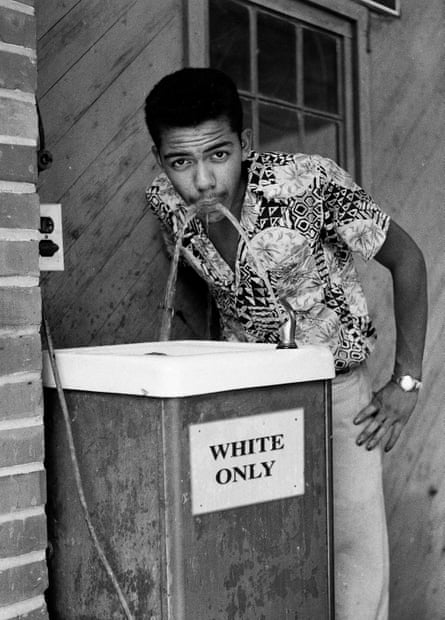
The photo is of Cecil J Williams, an octogenarian photographer at Claflin University. A friend of his, Illidge said, took the photo decades ago. The program brings the details of the image to the forefront, and can also help Wiliams and Claflin finally begin to receive their due. The 86-year-old Williams, an alum of Claflin, is still photographing today.
“That photo was everywhere,” Illidge said. “He’s used it in his books, people have taken that photo and actually created all kinds of swag, like pins and one company in Canada, he mentioned, sent him actual magnets – no royalties, mind you, but magnets. They didn’t ask permission to use the photo, but sent the material. I had a conversation with him and he asked me what we can do to stop this from happening. I said, ‘We can’t do anything about anyone who’s done it before, but going forward, if the photo is on the website, if anyone does that, at least we can work with you and Claflin University to pursue it.’ That’s the importance of [the grant] as well, it’s about protecting this intellectual property.”
The program works to support both the larger, widely known institutions, and smaller ones. In doing so, important histories that might otherwise go unremembered are elevated.
Alcorn State University, the most recent grant recipient, for example, was founded by Mississippi’s Reconstructionist legislature. Its first president was Hiram R Revels, the first Black person to serve in the US Congress.
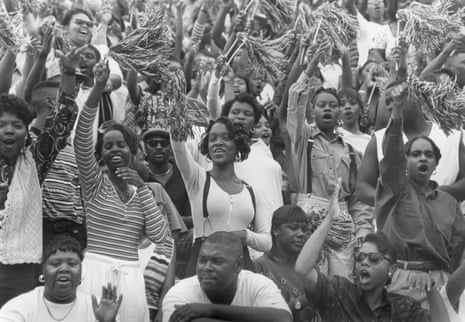
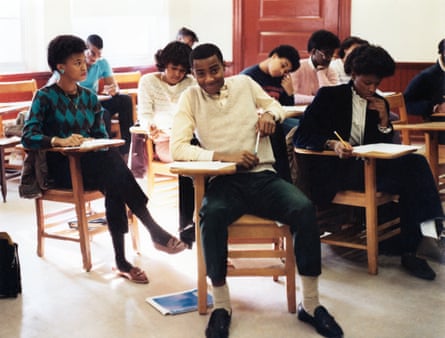
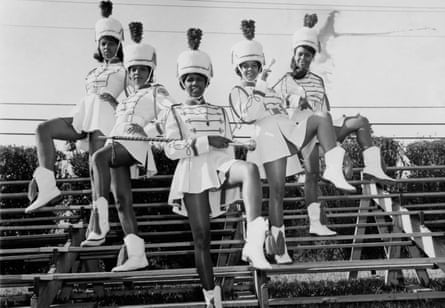
“My goal was to essentially find a school in each state that would shift the narratives of that state,” Illidge said. “Mississippi is a very important state historically for the Black community, and there’s so many stories that could counter the negatives of Mississippi. The schools hold all this material that’s behind closed doors.”
Maxine Greenleaf, vice-president of marketing and communication at Alcorn, said that the “images would be lost forever” without the program.
“It brings those images to life,” she told the Guardian. “We didn’t know that some of these images existed until we started with this project. Some of these things were in the library, some were in boxes in our area, but it’s given a new life to Alcorn’s history. Alcorn is America’s first public land-grant HBCU, and not many people know that. That’s an important part of America’s history. We’re celebrating 155 years of Alcorn this year, but we’re also celebrating 250 years of America, and Alcorn plays a part.”
Since its founding, Alcorn has produced heavyweights who have shaped the country politically and socially, from civil rights icons Medgar and Myrlie Evers to author Alex Haley to legendary football player Steve McNair. Renowned playwright Lorraine Hansberry’s grandfather, father and uncle all graduated from the institution before making history in their own rights.
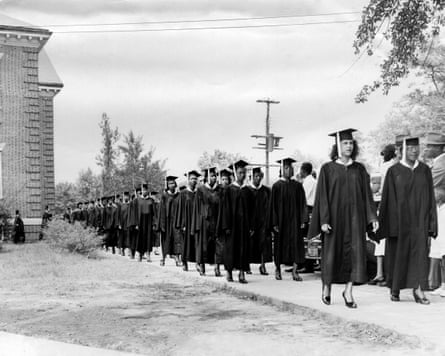
“These people have made an impact. There are so many people who walked these grounds who’ve made great strides for us and our society and contribute richly to advance in our society as well,” Greenleaf said. “Without Getty and all the other contributors to making this project a reality, all of these histories or stories would be lost because there would be no other way for us to tell them.”
As a part of the Getty Images Photo Archive Grants for HBCUs, every few weeks, the Getty Images archive on Instagram shares a set of images in a social collaboration with the schools.
“It’s incredible when people tag and say who these people are,” Illidge said. “That is another touch point, that the schools now can identify the people. It’s really important for that to happen, as well, because there are lives there. There are family members who are looking for these photos of their grandmother, their grandfather. Twice at schools when we launched the program and we had students in, they found photos of relatives. I think that just underscores the importance of this work.”