2 months ago
65
2 months ago
65
The polls have closed in Myanmar, but no one is waiting in suspense. After arresting political opponents, banning the most popular political party and using violence to crush dissent, the military’s proxy is on course to win by a landslide.
“This is a fake election,” says a man who voted on Sunday in Mandalay, the second most populous city, his finger freshly dipped in purple ink. Like many, he voted only out of fear, worried that junta officials could retaliate if he stayed home.
“They are heartless people. Right now, we don’t have a future, we don’t have freedom, we can’t speak freely,” he says. He spoke anonymously and moved on quickly, nervous that police and election officials were watching. Before hurrying away, he adds of the military: “They kill my brothers.”
After seizing power in a coup five years ago, imprisoning Aung San Suu Kyi the then state counsellor and de facto leader, and ousting her government, security forces gunned down pro-democracy protesters in the streets and went door-to-door arresting people who opposed its rule. Many took up arms in response, triggering a war that has swept across the country, drawing in ethnic armed groups that have long fought with the military. The junta has torched homes, massacred villagers and launched airstrikes repeatedly on civilian infrastructure to suppress its opponents, according to UN experts and rights groups.
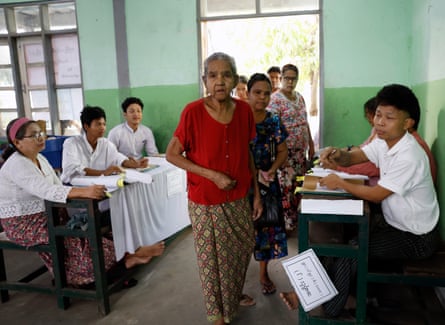
Just a few hours drive away from central Mandalay, the fighting has continued to rage. Voting was cancelled in rural areas of Mandalay region because of the conflict, according to local media.
In urban areas, voting proceeded under the watch of armed police. At sunrise, families, packed on motorbikes, arrived at polling stations and filed beneath blue gazebos to vote.
Few believe the election will bring any change. The military will try to present a facade of democracy, says Kyaw Kyaw*, a Mandalay resident, adding: “They cannot change reality.” The same problems will persist for the people: repressive laws and continued fighting, he says. He does not expect either side to relent.
It’s feared fighting could even worsen. The military has lost swathes of territory to opposition groups over recent years but, supported by China, it has begun to regain momentum on the battlefield and is ramping up airstrikes to take back ground.
Mandalay city is peaceful, but the city’s proximity to conflict areas, and to the Mandalay PDF, one of the more powerful anti-junta groups formed after the coup, has led to disrupted trade routes and restrictions on the sale of various goods. Prices for basic items such as rice and cooking oil have tripled since the coup, estimates Kyaw Kyaw. The number of displaced people who have fled to the city to escape conflict has also soared, driving up housing costs, he added.
Last year’s devastating earthquake, which destroyed buildings across Mandalay, has caused further strain. The once 12-storey Sky Villa condo is now just a vacant spot hidden behind blue sheets of metal. Along the road, cars that were dragged from its collapsed car park lie mangled and abandoned.
The biggest sites, like Sky Villa, have been cleared, but other buildings remain cracked and damaged. “Definitely, some residential buildings in Mandalay are not safe to live in after the earthquake,” says Kyaw Kyaw. People in taller apartments are especially nervous, but even those in smaller wooden homes feel paranoid whenever they sense shaking.
Almost everyone avoids talking about politics in public, nervous others could listen in and report them. “They could be everywhere in tea shops,” says another Mandalay resident, Thandar*, 35, of the security forces and their informants. Residents live in fear of being stopped by the authorities and having their phones searched for banned VPNs or social media posts that show support for the military’s opponents.
There is no doubt the military’s proxy party, Union Solidarity and Development party, is set to win a landslide victory in the election. It fielded the most candidates and secured the majority of seats in previous rounds.
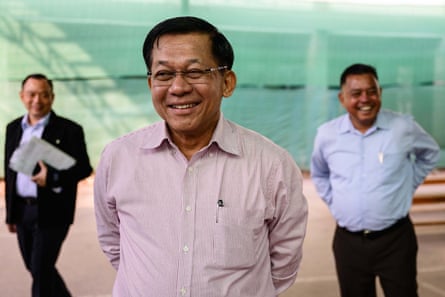
Many expect junta chief Min Aung Hlaing will become president, though some have questioned if he will carve out a special role that allows him to retain both political power and continue being military commander in chief. He has defended the vote as free and fair, and said it has the support of the public.
The UN, and western governments including the UK and Australia, as well as the EU’s top rights official have rejected the vote as lacking legitimacy. The regional bloc, the Association of Southeast Asian Nations, did not send observers and will not endorse the poll. China, however, a key military ally, is backing the vote.
Turnout in early rounds of the month-long election has been low, at 55%, compared with about 70% in previous elections – despite the military reportedly threatening residents of repercussions if they did not participate.
In urban areas of Mandalay, local officials blasted out reminders about the election on loudspeakers, Thandar says. Once polling stations had opened on Sunday, they went door to door, including to her home, telling residents to go out and vote. Still many defied the orders, including Thandar. The vote was not fair, she says. “I don’t care for their threats.”
* Names have been changed.