2 months ago
65
2 months ago
65
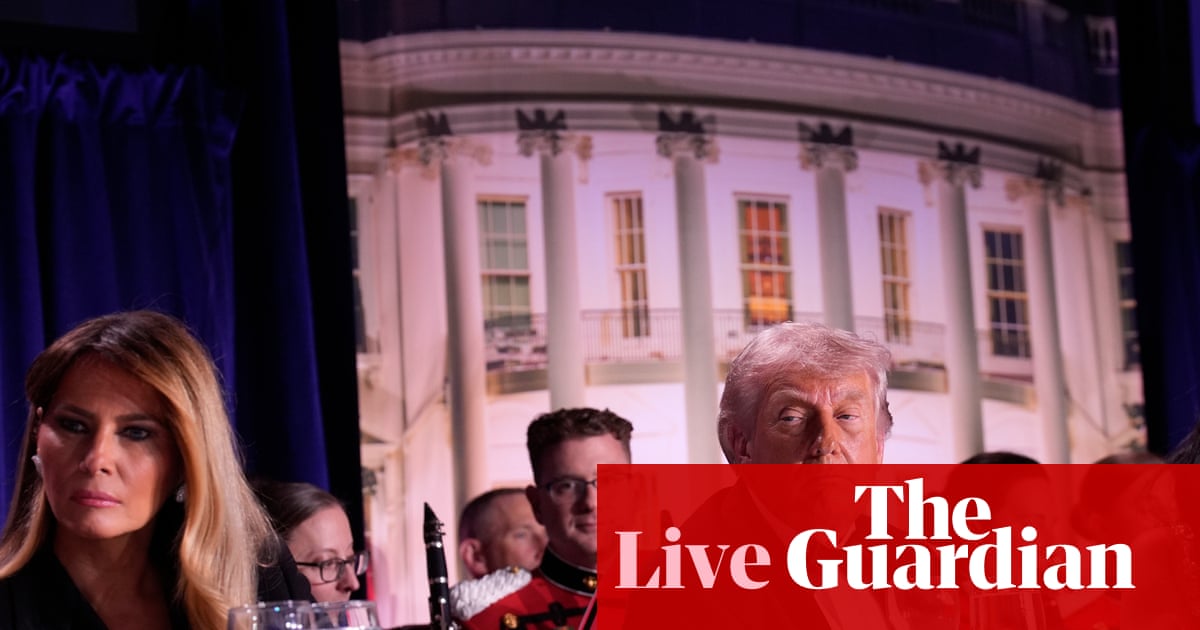
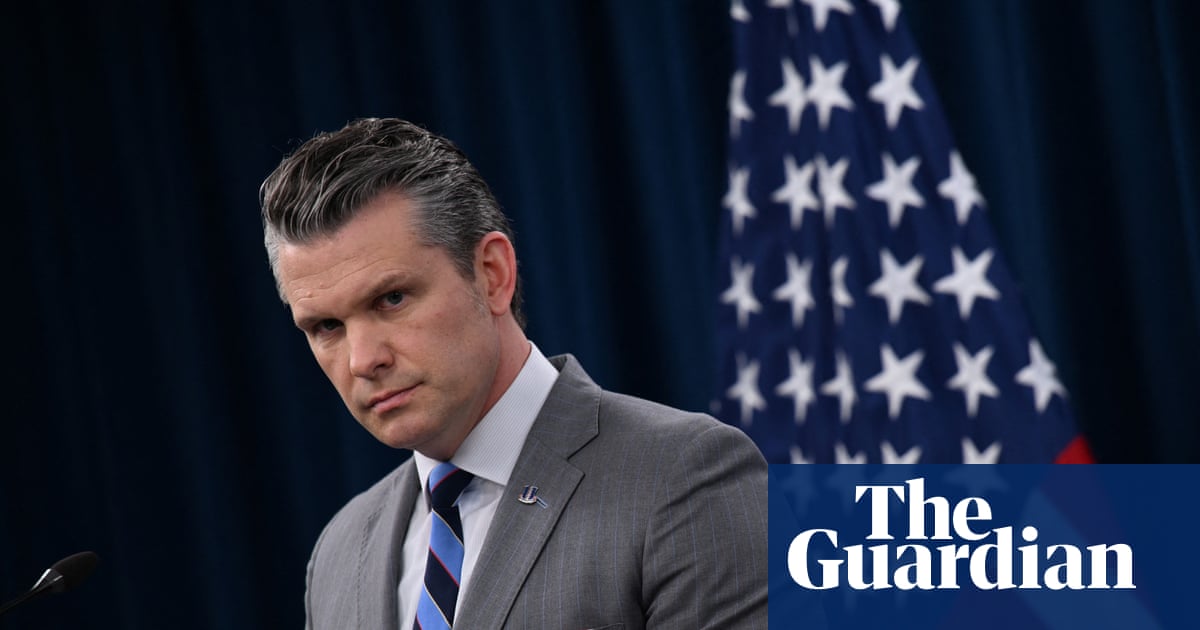
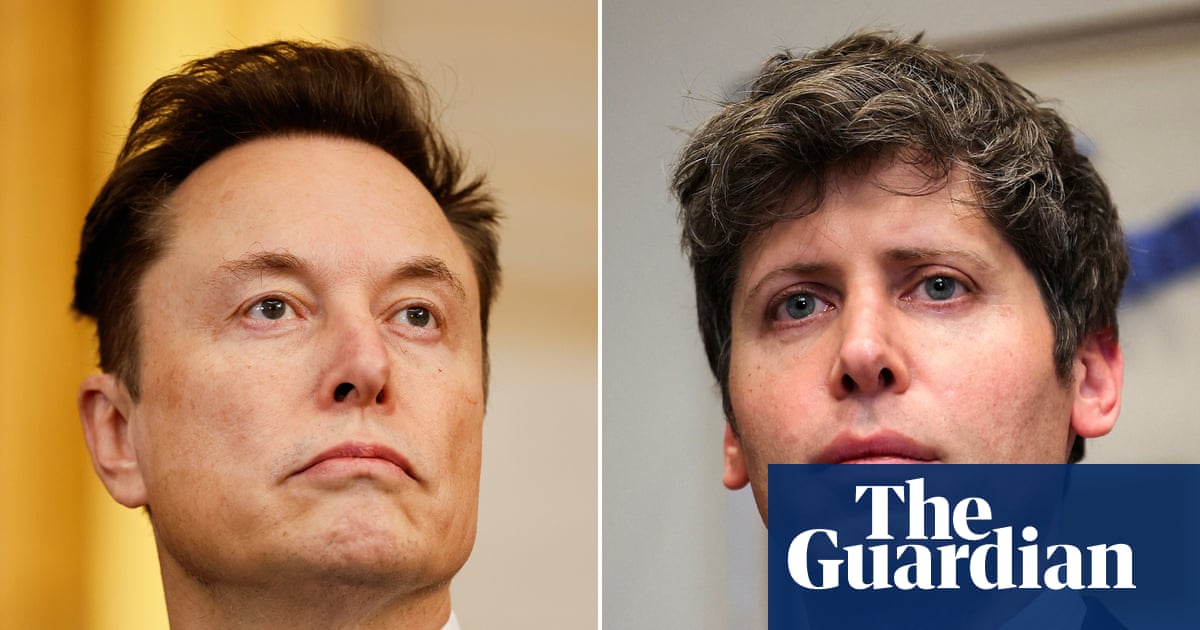
When Donald Trump reassured the world that he would not, after all, use force to acquire Greenland – after days of threatening as much – he was doing what he does best: turning geopolitics into a spectacle. Whether Trump ever truly believed the US should acquire a vast Arctic territory belonging to a Nato ally is secondary to the fact that, once again, he ensured that Europe and the rest of the world were focused on his agenda.
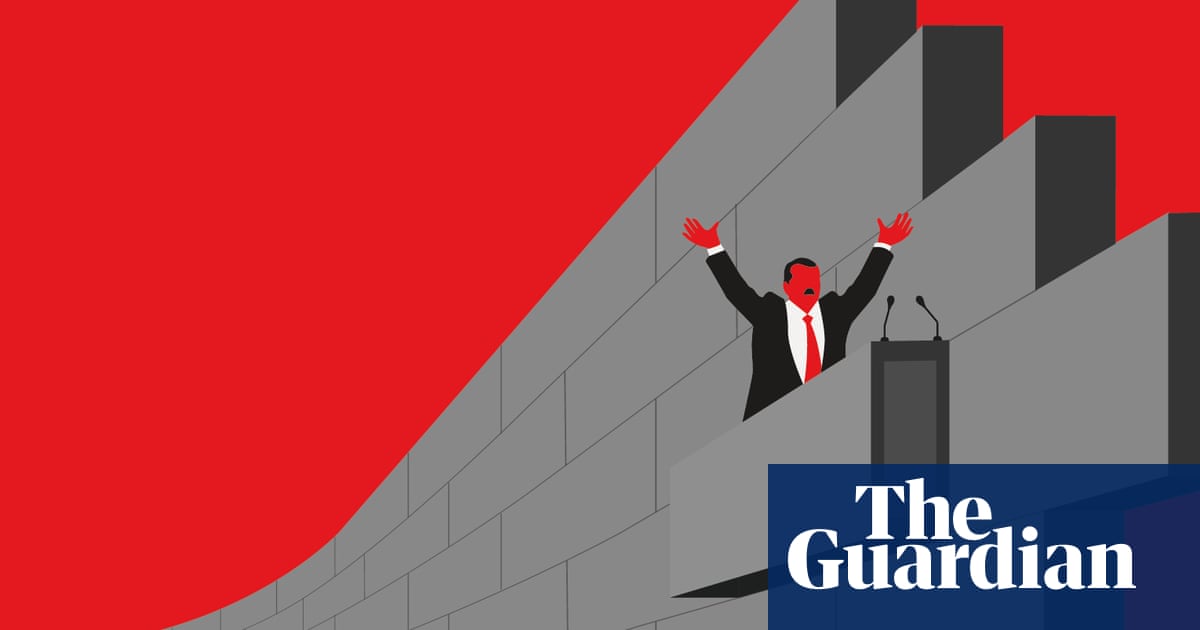
Trump is not a politician who responds to events – he seeks to make them. Not because he is deeply invested in policy detail, but because he understands a defining feature of contemporary politics: attention is power. In an era of information overload, there is no scarcity of data or analysis; what is lacking is attention. And whoever controls that controls the debate.
Steve Bannon once described Trump’s domestic strategy as “flood the zone with shit”. In other words, create so many scandals that opponents no longer know which ones matter. The media chases everything, the opposition is perpetually outraged and no one has the mental space to set their own priorities. This logic and the accompanying tactics are now also being deployed by the US in its foreign policy.
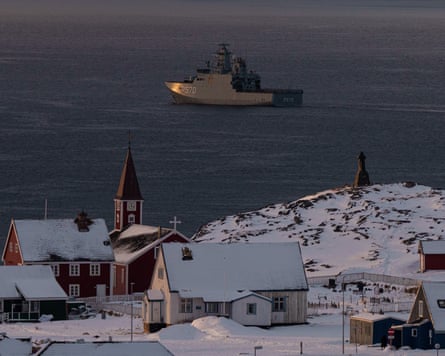
Trump’s threats towards Denmark and Greenland were not isolated provocations, but a form of geopolitical clickbait. Their purpose was to dominate the news cycle, push other governments into reactive mode and crowd out longer-term strategic thinking. Greenland was perfect for this. It is strategically important – located in the Arctic, between North America and Europe – yet remote enough that few voters have much detailed knowledge about it. That made it ideal for attention capture: dramatic enough for headlines, vague enough for endless speculation.
It also triggered genuine anxiety. Greenland touches on Nato solidarity, Arctic security and the vulnerability of a semi-autonomous territory. Denmark has already increased its military presence there, backed quietly by other European states.
Yet the core issue throughout this episode was not whether Trump would act, but that Europe was forced to respond. As governments issue statements and coordinate positions, Trump moves on to the next provocation (tariffs, Iran, Venezuela, Nato, migration), leaving behind a trail of diplomatic distraction. European leaders become minor characters or extras in a political theatre whose script is written in Washington.
Behind the spectacle, however, lies a coherent agenda. Trump’s second-term national security strategy makes clear that Europe is no longer regarded as a partner in a rules-based order. Instead, it is portrayed as a declining, elite-driven liberal bloc that constrains nationalist forces on the rise. Support from Washington is framed not as a mutual interest, but as a transaction. Leaders who are ideologically aligned with Trump are promised preferential treatment, while others face pressure.
By this logic, Greenland is not merely a territory. It is a lever: a way to signal to Denmark, and to the EU more broadly, who sets the terms of engagement. And Europe is particularly exposed to this type of pressure because its attention is so easily fragmented.
Each Trump provocation lands differently across the continent. Arctic threats worry Scandinavia. Trade disputes hit exporters. The Ukraine war matters most in eastern Europe. And so on. Each episode produces a different coalition of concerned states. What it does not produce is sustained strategic unity.
That is the vulnerability Trump exploits. A Europe that is always reacting is never planning. Every issue feels urgent. The price of having your attention captured is strategic short-termism.
What, then, should Europe do? It needs a two-track response. First, it must respond to Trump’s provocations in a calm, collective and disciplined manner. When a US president questions the territorial integrity of a Nato ally, Europe cannot ignore it. But European leaders should avoid the response Trump seeks: emotional, fragmented and uncoordinated. The goal should be a message that is delivered with consistency and purpose.
Second, Europe must invest in its own long-term security strategy, independent of the daily churn of Trump’s politics. That requires accepting a difficult reality: US domestic politics is no longer a temporary disruption to transatlantic stability. Trump has demonstrated how easily US foreign policy can revert to transactional nationalism. Europe must plan accordingly for key priorities such as security and geo-economic resilience. Poland’s Donald Tusk stands out, for example, in keeping Warsaw focused on EU coordination on Ukraine and defence, rather than reacting to every Trump provocation.
Europe does not lack answers – reports by former Italian prime ministers Enrico Letta and Mario Draghi attest to that – but it lacks the capacity to act.
The central lesson of Trump’s second term is not that global politics has become chaotic, but that attention itself has become a strategic battlefield of international politics. And attention wars are not won by reacting faster. They are won by deciding what deserves focus. Europe does not need to out-post Trump on social media. It needs to outplan him.
-
Catherine De Vries is vice dean and professor at IE School of Politics, Economics and Global Affairs at IE University in Madrid