
-
Ukrainian president Volodymyr Zelenskyy said Donald Trump was exerting undue pressure on him in trying to secure a resolution to the nearly four-year-old Russia-Ukraine war. Zelenskyy also said any plan requiring Ukraine to give up territory that Russia had not captured in the eastern Donbas region would be rejected by Ukrainians if put to a referendum. In an interview with Axios, Zelenskyy said it was “not fair” Trump kept publicly calling on Ukraine, not Russia, to make concessions in negotiating terms for a peace plan. “I hope it is just his tactics and not the decision,” Zelenskyy said in an interview conducted as Russian, Ukrainian and US negotiators held talks in Geneva.
-
Trump has twice in recent days suggested it was up to Ukraine and Zelenskyy to take steps to ensure the talks proved successful. “Ukraine better come to the table fast. That’s all I’m telling you,” Trump said on Air Force One on Monday.
-
Ukraine’s lead negotiator, Rustem Umerov, said the opening day of talks in Geneva had focused on “practical issues and the mechanics of possible decisions,” without providing details. Negotiations would resume on Wednesday for a final day, he said.
-
Russian officials made no comments on the talks but Russian news agencies quoted a source as saying that the talks were “very tense” and lasted six hours in different bilateral and trilateral formats. Both sides agreed to continue the discussions on Wednesday, the source told the agencies.
-
Ukrainian drones hit the Taman oil terminal in Russia’s southern Krasnodar region and a chemicals plant in the Perm region near the Ural mountains overnight, Ukraine’s SBU domestic security service said on Tuesday. An official said the attack on the Taman terminal was the agency’s second on the facility since 22 January. SBU drones also attacked the Metafrax Chemicals plant in the Perm region, about 1,600 km from Ukraine, a facility the official described as one of the biggest methanol producers in Russia and Europe.
-
Ukrainian drones have struck nine oil refineries across Russia since the start of the year, the commander of Kyiv’s drone forces said on Tuesday. In a statement released on Telegram, Robert Brovdi said the refineries were among 240 facilities in Russia and Russian-occupied territory hit by Ukrainian forces.
-
Lithuania’s Vilnius airport has resumed operations after a short closure due to weather balloons from Belarus entering its airspace on Tuesday night, officials said. The airport, located about 30km from Belarus, has been closed more than 10 times since October 2025 over similar incidents. Traffic at the airport was restricted for 75 minutes after the Baltic country’s crisis management centre notified the airport of weather balloons posing a risk to aviation.
-
France on Tuesday released a tanker called Grinch suspected of being part of Russia’s sanctions-busting “shadow fleet” after its owner paid a multimillion-euro fine, a minister said. French forces and their allies boarded the oil tanker last month between Spain and Morocco after it started its journey in Russia.
-
Starlink terminals used by the Russian military have not been in operation for two weeks, but the disconnection has had no effect on its drone operations, a senior Russian military official claimed on Tuesday. “Starlink terminals have been down for two weeks, but this has not affected the intensity or effectiveness of the troops’ unmanned systems, as confirmed by data from objective monitoring of damage to enemy equipment and personnel,” the deputy defence minister, Aleksei Krivoruchko, told state television. The Ukrainian defence minister, Mykhailo Fedorov, said the effect on Russian operations had been considerable. Ukraine recaptured 201 sq km from Russia between Wednesday and Sunday last week, taking advantage of the Starlink shutdown, according to an analysis of data from the Institute for the Study of War.
-
Russia has stepped up its hybrid threat activities and seems willing to take greater risks in the area surrounding Sweden, the head of Sweden’s military intelligence told Agence France-Presse on Tuesday. Thomas Nilsson, the head of Sweden’s Military Intelligence and Security Service (MUST) said he believed Moscow would “unfortunately” continue doing so – regardless of whether it succeeds in Ukraine or not. Nilsson did not cite any particular attacks, but MUST said in its yearly threat review released on Tuesday that Russia “has developed a wide range of methods that can be used within the framework of hybrid warfare,” including disinformation, cyber-attacks, economic sanctions, intelligence operations, and election interference.
Ukraine war briefing: Zelenskyy says Trump exerting ‘unfair’ pressure on Kyiv during Geneva talks
 3 months ago
71
3 months ago
71
Related
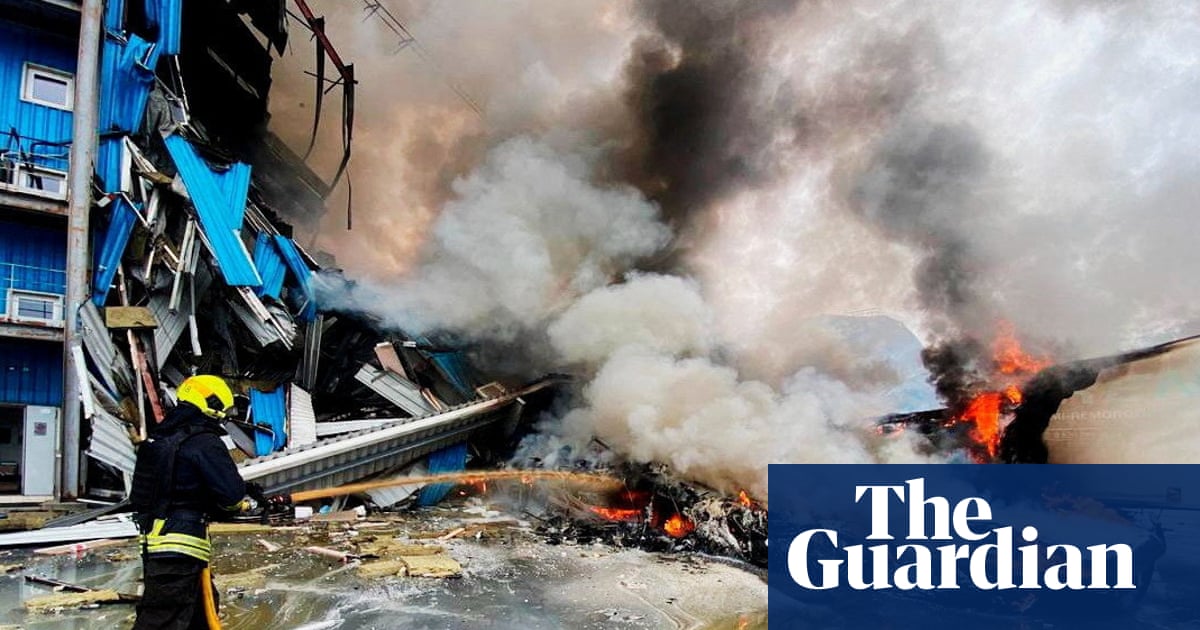
Ukraine war briefing: Big drone deal awaits Trump signature,...
47 minutes ago
2

Colombia’s far-right presidential candidate Espriella wins f...
50 minutes ago
2
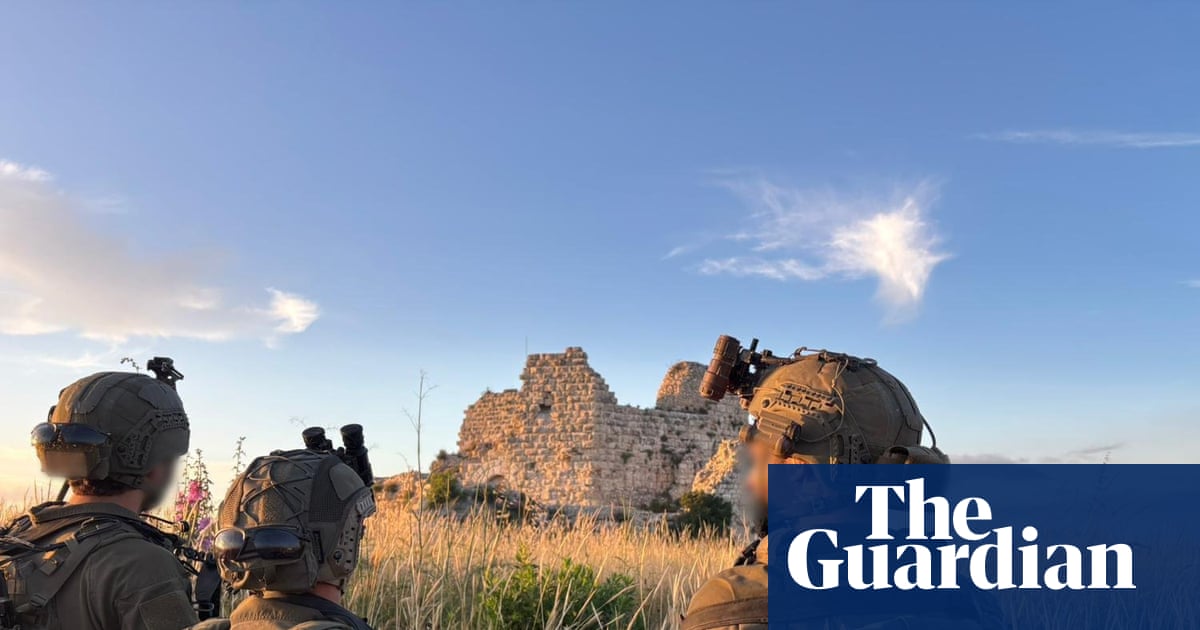
European leaders condemn Israel’s deepening incursion into L...
51 minutes ago
2













WHO calls for community cooperation to contain Ebola outbrea...
10 hours ago
17

|

| |

|

| |

|

| |

|

|
|

|

|
Popular

US senator says he was pepper sprayed by federal agents duri...
5 days ago
7169

The Taylor Swift effect: US vinyl sales top $1bn for the fir...
2 months ago
1843

Middle East crisis live: Trump says Iran being ‘decimated’ a...
2 months ago
666

US military is not preparing for Cuba takeover, top general ...
2 months ago
518

John Oliver on JD Vance: ‘He’s become the archetype of the h...
2 months ago
518

Tape shows Bolsonaro son asking jailed banker for $26.8m to ...
2 weeks ago
485

US-based internet suicide forum implicated in 160 UK deaths ...
2 weeks ago
450

Democrat and Trump-endorsed Republican head to Georgia runof...
2 months ago
440

Ben Jennings on Jim Ratcliffe’s ‘colonisation’ comments – ca...
3 months ago
332

Rumah Pilot Korban Penembakan Smart Air Mulai Didatangi Pela...
3 months ago
330

Prabowo soal Kasus Keracunan MBG: Itu 0,0006 Persen
3 months ago
325

Muhammadiyah Tetapkan 1 Ramadan 18 Februari, Bagaimana Pemer...
3 months ago
318

Colorado governor commutes sentence of election denier Tina ...
2 weeks ago
288

Southampton charged with misconduct by EFL in Middlesbrough ...
3 weeks ago
247

Six Nations 2026 predictions: our writers on who will win an...
3 months ago
224

Teen mariachi trio detained by ICE to open for Kacey Musgrav...
1 month ago
215

Trump and his oil-and-coal oligarchy should face sanctions f...
3 weeks ago
201

‘You can cry or fight’: Igor Tudor orders struggling Spurs t...
2 months ago
192

Totally grounded? How the jet fuel crisis could change our h...
3 weeks ago
188

Pussy Riot protest at Venice Biennale forces Russian pavilio...
3 weeks ago
173
|
|
| |
|
|
| |
|
|
| |
|
|
|
|
|
|
|