2 months ago
53
2 months ago
53
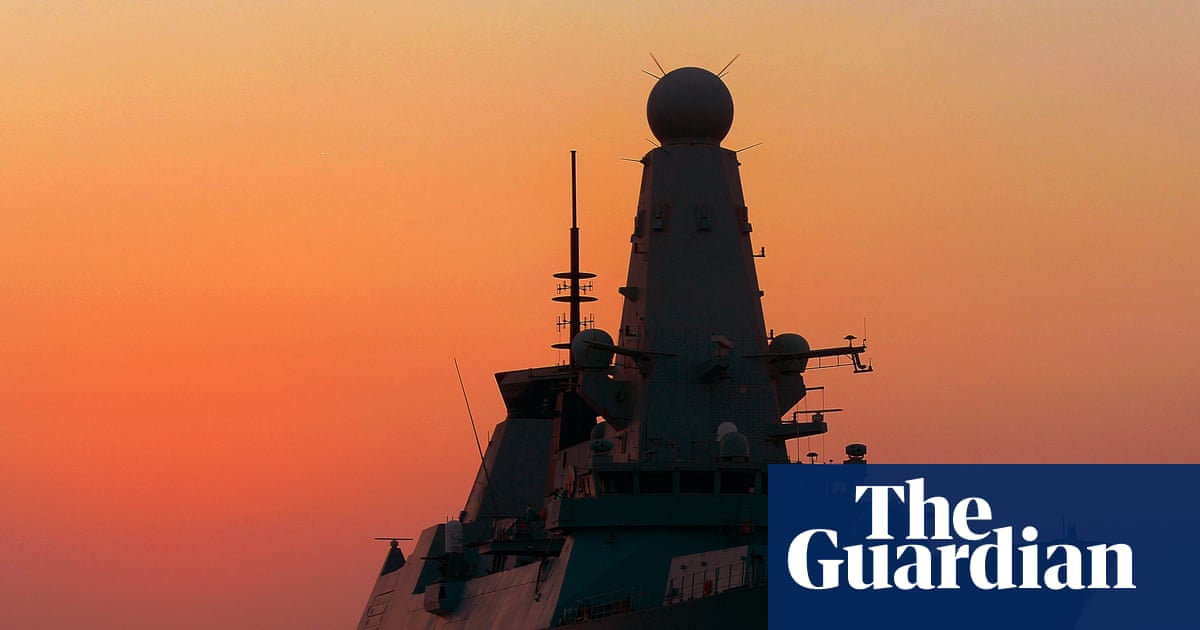
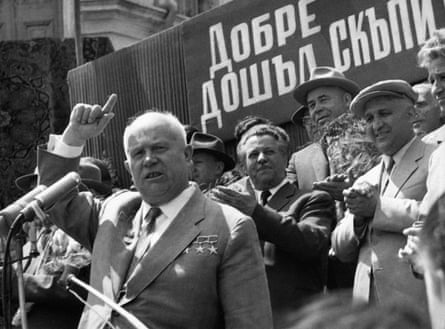
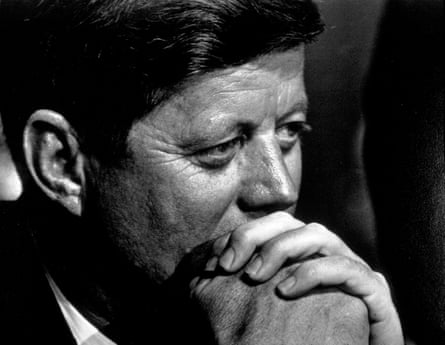
In October 1962, the world came closer to destruction than at any other point in modern times. After a US surveillance plane discovered that Soviet nuclear missile sites were being built in Cuba, less than 100 miles from the US mainland, President John F Kennedy responded by ordering the US Navy’s Sixth Fleet to impose a naval blockade around the island. Almost two weeks of impossible tension followed.
The threat was clear. If Kennedy, or his Soviet counterpart, Nikita Khrushchev, fired on their enemy, a chain reaction of global nuclear strikes and counterstrikes would have followed, plunging humanity into all-out ruination.
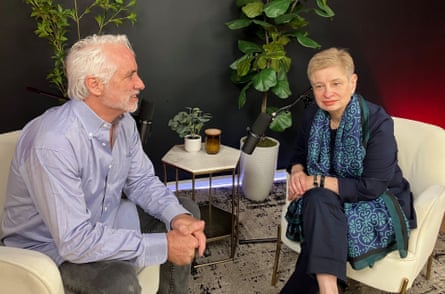
The Cuban missile crisis has been covered endlessly, in books and films and television programmes. But for its third season, the BBC World Service podcast The Bomb has brought a completely new element to the story. It is jointly hosted by Max Kennedy and Nina Khrushcheva, relatives of the men who, for 13 days, held the fate of the world in their hands.
“What was the Soviet side thinking? What was the American side thinking?” asks Khrushcheva, Khrushchev’s great-granddaughter and a professor of international affairs at the New School in New York City. For her, the beauty of the show is its attempt to objectively ask: “How can people hate each other and go against each other?”
“It was not lost on me how spectacular it is that humans can be friends or have the potential to be complete enemies,” adds Kennedy, son of Robert Kennedy, nephew of JFK and now an author and lawyer. “We see this over and over when countries have gone to war, and it just illustrates how unbelievably stupid it is to fight.”
What’s remarkable about the Cuban missile crisis is that, because it unfolded so publicly, people around the world could watch almost in real time as it edged towards catastrophe. Even so, the threat of destruction came closer than anybody realised. “Virtually everyone in the White House wanted an airstrike and an invasion,” says Kennedy. “If we had struck the Cubans with the Sixth Fleet, there is no question the Russians on the ground would have launched a tactical nuclear weapon at the US Sixth Fleet, and that would have destroyed our aircraft carriers and sunk our largest and most important fleet. And we would have responded with massive retaliation that would have ended all life on Earth.”
The fact it didn’t is a testament to Kennedy and Khrushchev, who managed to keep their heads and calmly negotiate when everyone around them was pushing for action. As a result, Khrushchev removed the missiles from Cuba and Kennedy (although not reported at the time) removed his from Turkey. The relief was palpable, as was the sense of hope. During our interview, Kennedy and Khrushcheva theorise that the crisis would have forged a deeper relationship between the US and Russia, had Kennedy not been killed the following year and Khrushchev not been removed from office the year after that.
Still, for those 13 days in October, the tension was felt by everyone. My father, who at the time was a 12-year-old boy on a farm four and a half thousand miles away from Cuba, vividly remembers lying in bed worried that world war three could break out at any moment. The Bomb’s co-hosts were born shortly after the crisis, and Khrushcheva learned about it through the Soviet education system, which painted a slightly different picture of events.
“You said your father remembers it, and it was a scary day,” she says. “But in the Soviet Union, people really didn’t know that much about it, because it was a crisis, and in the Soviet Union we were told that things are always wonderful and sunny.”
Inside Khrushchev’s family, though, it was different. “They told me what a great moment it was, because it was eyeball to eyeball. They were able to resolve it, and didn’t start the war, which was a wonderful thing,” she continues. In the years to come, though, that perspective would not be shared by everybody. “For a long time in Russian politics, it was considered a defeat for Khrushchev, because he didn’t blow up the United States.”
The Bomb is so balanced and well produced that Khrushcheva jokes it almost made her forget she already knew the ending. This is, in part, due to the participation of historians Serhii Plokhy and Michael Dobbs. But, really, the most momentous thing is the participation of the hosts themselves. Even within living memory, it would be unthinkable that descendants of the leaders of America and the Soviet Union would appear together publicly. That Max Kennedy and Nina Khrushcheva can do that, and be so warm with each other, has to be a sign of hope.
“Max and I are not the first,” smiles Khrushcheva. “After 1991, when the Soviet Union ended, my uncle Sergey Khrushchev’s son moved to the United States to become a Khrushchev scholar, and he became great friends with Dwight Eisenhower’s children.”
“But we had never met before the podcast,” adds Kennedy. “Which is unfortunate because we got along really well and now we’re friends, which is really great. Finally, after nearly 60 years of almost destroying the world, our families have become friends, so I think the world is safer, a little bit.”
Or is it? Part of the reason The Bomb feels so necessary is because we once again find ourselves living through dark times. The Doomsday Clock is closer to midnight than ever before, in part because world leaders don’t seem to be able to grasp the lessons of the past.
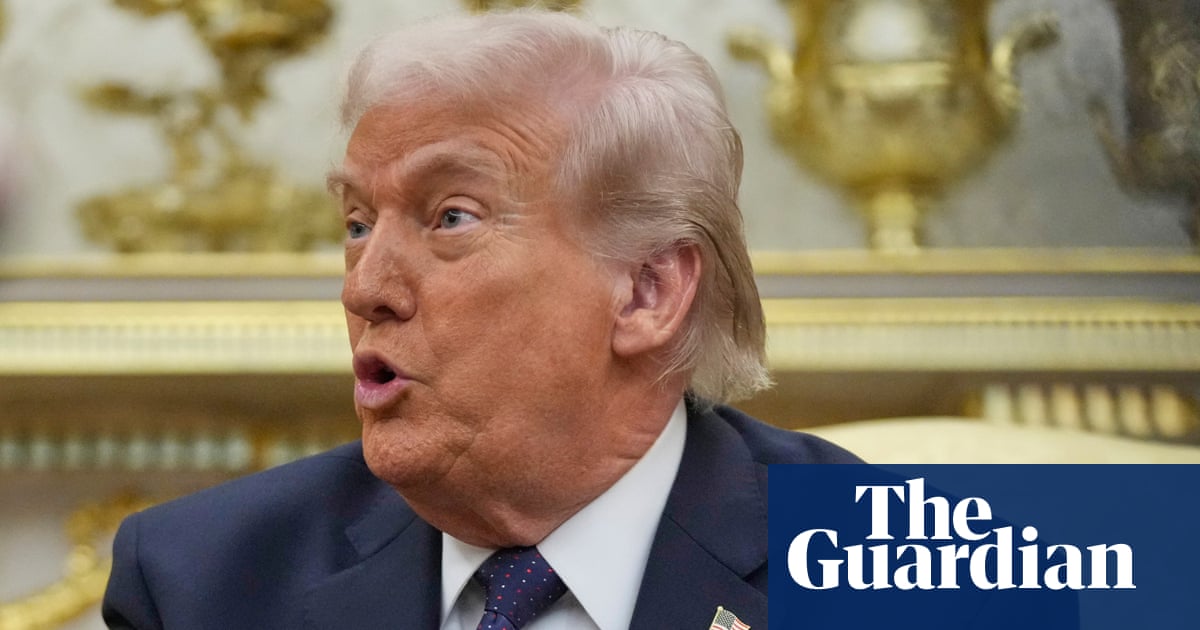
“I don’t have confidence in the leaders of America and Russia,” says Kennedy flatly. “Chairman Khrushchev organised the political defence of Stalingrad. He saw first-hand, very close up, the horrors of war. President Kennedy [who fought in the second world war] lost two members of his crew. He saw death close up. That service to country, I think, makes a huge difference. Putin has threatened over and over to use nuclear weapons. And Trump has no experience with service whatsoever. So I have real concern about our future, left in the hands of these two very limited men.”
This removal from the realities of war is something that also gives Khrushcheva pause. “There was much more physical reality at the time of the crisis,” she says. “Both Kennedy and Kkrushchev knew what war was. And so for both of them, taking the step that would bring us to world war three was unimaginable. That’s why it ended so quickly, because both of them were afraid that somebody, not them potentially, would make a mistake.
“But now half of our reality is not physical. I mean, the American president is a reality TV show man. And because the military offence is going reasonably well for him right now, we’ve seen Putin three times in his military outfit. When the war was not going so well, he really was not associating himself with it that much. But now look at him. All of this is for show.”
“It’s worth mentioning that when Nina speaks about Putin, I worry that when she goes back to Russia, something could happen to her, because there’s such a real threat of reprisal,” adds Kennedy hesitantly, before considering his own situation – and the potential legal repercussions from a US administration that forced the suspension of Jimmy Kimmel after he criticised its response to the killing of Charlie Kirk. “I’ve always felt entirely safe in the United States, but now we have a president who seeks reprisal after his political enemies. This is very worrisome.”
It’s also worth mentioning that Kennedy isn’t denouncing Trump’s administration in an abstract sense. His brother is Robert F Kennedy Jr, who serves as Trump’s controversial secretary of health. Max last year wrote an op-ed for the Los Angeles Times denouncing his brother, and his criticism of Trump carries a little extra sting. This becomes even more apparent when I ask what today’s leaders can learn from the Cuban missile crisis.
Photograph: Ray Fisher/Getty Images
“One is the importance of leaders who really seek every avenue to peace before going to war, which you don’t see happening right now in Venezuela,” he replies. “The other thing is, when you’re negotiating, the very important thing that President Kennedy did was try to put himself in Khrushchev’s shoes. The military-industrial complex was pressuring President Kennedy, so he knew it must have also been pressuring Khrushchev. They were both trying to figure out what the other person needed in order to settle this crisis. And in the end, I think President Kennedy and Nikita Khrushchev developed an understanding of each other. There were times in the crisis where it was really just those two men that stood between all of these other forces and the destruction of the human race.”
“Leadership responsibility is something that we are missing,” nods Khrushcheva. “The crisis was a great example of how, when you get close to war, you actually turn away from war. War is something that should not happen under any circumstances. It’s really a lesson on leadership. And I wonder if the leaders today would be willing to learn it.”