2 months ago
53
2 months ago
53
In French culture, seven is known as “l’âge de raison”, the age at which children know right from wrong and can take some moral responsibility. France’s national rail operator, it seems, puts the age at which a child can be trusted to behave in a non-annoying way onboard a train a bit higher.
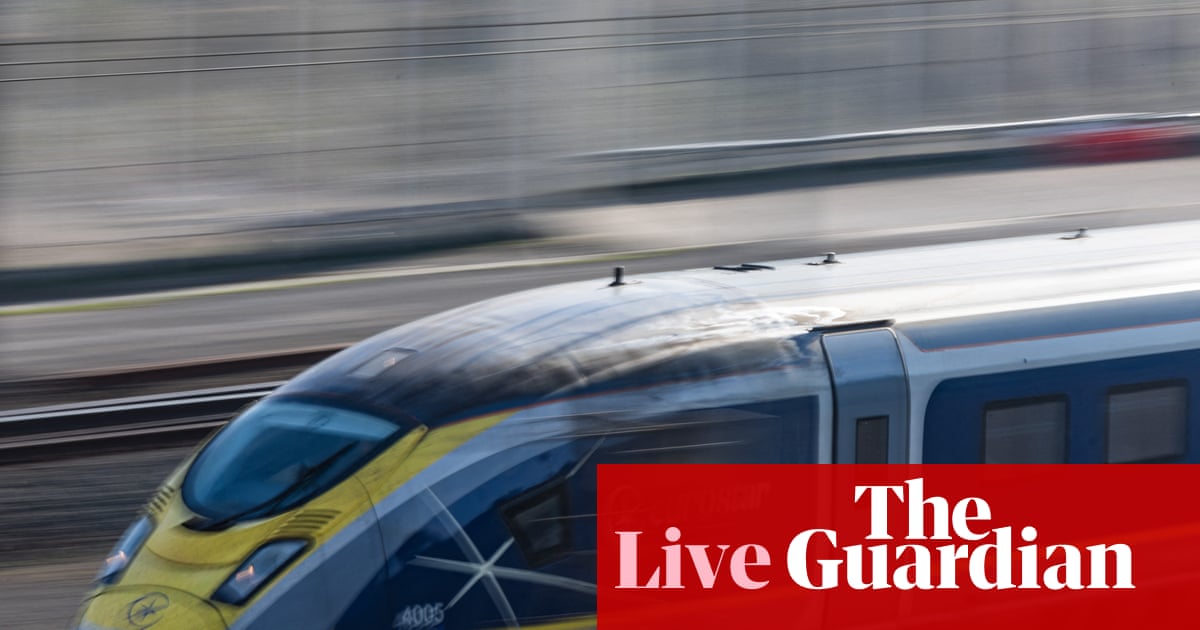
In launching its new Optimum plus tariff earlier this month, offering spaces onboard its weekday TGV trains between Paris and Lyon with bigger, more comfortable seats, fancy food and no under-12s, SNCF was trying to appeal to the many business travellers who make that journey. But the move has sparked a backlash and a philosophical debate about the place of children in society, against the backdrop of a worrying decline in French birthrates. “We can’t on one hand say that we are not having enough children and on the other hand try to exclude them from everywhere,” argues Sarah El Haïry, France’s high commissioner for childhood.
Anyone who has spent a long train ride playing 4,000 rounds of I-spy with their own child, let alone sat close to anyone else’s, may understand the logic of offering child-free spaces. But the reaction highlights a strong philosophical objection in a country that traditionally gives children plenty of autonomy and responsibility, as part of a mindset that sees helping them fit in with wider society as a priority. It also highlights practical concerns about what “no kids” attitudes say about how birthrates will evolve.
SNCF’s move was certainly a surprising one in a country that has a reputation for being family-friendly and respecting children’s right to take part in the rituals of everyday life, starting with the elaborate three-course meals they are served in school canteens. My own half-French children, growing up in Paris, have had customs such as politely greeting neighbours and shop workers drilled into them from babyhood, not to mention sitting patiently in a restaurant and chacun son tour (taking turns) on the swings in the park. The logic is that treating children like small but valuable and responsible members of society helps them evolve into polite and respectful adults – how can they learn what society expects of them if they are excluded from public spaces as kids? It’s hard to argue with that logic.
So, the “no kids” rule has hit a nerve. SNCF is not only a public service operator; it is entwined with French identity and the all-important long summer holidays. As things stand, it seems pretty child-friendly: SNCF station staff hand out activity kits to youngsters travelling on its TGVs in the school breaks, and summer trains are often full of groups of unaccompanied children being escorted to summer camps by young guides.
Once the social media storm broke, SNCF did some swift downplaying, noting that the Optimum plus tariff only applies to 8% of Monday-to-Friday seats on one route popular with business travellers, leaving 92% of seats on weekdays and 100% on weekends available to everyone. It eventually removed the reference to the minimum age from the description on its website, but the debate is raging on.
A society that cannot bear the presence of children is “worrying”, El Haïry argues. The former minister has spoken out before about the “no kids” trend, whereby restaurants and hotels are increasingly targeting child-free grownups who are seeking peace and quiet and have deep pockets. She is not the only one to see a problem; last year the socialist senator Laurence Rossignol put forward a law making the creation of no-kids spaces illegal. Now, politicians from the right and the left are finding common ground in denouncing SNCF’s move.
This is not only a question of morality. France’s finances are in crisis – and politicians know that a falling birthrate piles on more long-term pressure. Compared with its European neighbours, France is actually not doing that badly, with the second-highest fertility rate in the EU in 2023. But the latest figures show that France’s rate is below the replacement rate – and falling. A recent update from the national statistics bureau, Insee, shows 24% fewer babies were born in France last year than in 2010. The government is trying to turn the tide, but family-focused measures such as increased parental leave, while welcome, are just part of the story – they won’t offset the worries about the future climate crisis and the eye-watering cost of living that are also behind some people’s reservations about starting a family.
Two years ago, the French president, Emmanuel Macron, announced a “demographic rearmament” aimed at “relaunching” the country’s birthrate. In its next major evolution, the government is introducing two extra months of paid parental leave from this summer. That’s great news for new parents, and it comes on top of the many ways the French state already supports families: heavily subsidised creches and childminders, free school for everyone from the age of three and structured holiday clubs that remove many of the headaches working parents face in many other countries.
While the concrete effects of SNCF’s move are minor – just a few seats on a few trains – the outrage sparked is reassuring. As a parent in family-friendly France, it’s good to know that attempts to start treating children as a nuisance instead of future grownups and civilised citizens get short shrift. Ensuring children remain welcome on trains and in public spaces won’t solve the problem of falling birthrates, but equally, making them and their parents feel like social pariahs certainly won’t help.
-
Helen Massy-Beresford is a British journalist and editor who lives in Paris