3 months ago
62
3 months ago
62
Hedera are a band of five tightly knit friends – violinist Lulu Austin, violin/viola player Maisie Brett, violinist/double bassist Beth Roberts, accordionist/harpist Tamsin Elliott, and clarinettist Isis Wolf-Light – named after the Latin botanical term for ivy. The group’s debut album combines influences from Bulgaria to Bali, Ireland to Georgia, and establishes its mood of knotted, hypnotic locked groove from its opening track, Sterretjie (named after an Afrikaans word for the coastal tern bird, which also means “little stars”). Brett’s violin passes the track’s melody to Wolf-Light’s clarinet and Elliott’s accordion with a bright, sparkling swiftness.
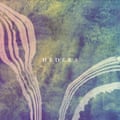
Many other moments of joy, lithe and spring-like, lift these 12 tracks. Roberts’ waltz about a Cornish meadow, Mayflies in June, travels from minor key to major and back again, buoyed along by Elliott’s harp-playing. (Elliott similarly impressed on 2023’s So Far We Have Come, her Anglo-Egyptian album with oud player Tarek Elazhary.) Sekar Jagat (Balinese for “flower of the universe”) twitches sweetly into life on prepared harp and plucked strings, then makes hay with a melody originally written for gamelan; on Shen Khar Venakhi, a 1,000-year-old Georgian hymn that survived Soviet purges, all five women’s voices join together in a dense, glowing mass.
Wolf-Light’s contributions on woodwind are particularly moving, often adding tension and dolour. Her bass clarinet playing in Threnody, a startling example of a taqsim (an improvised introduction in traditional Arabic and Middle Eastern music), is a highlight, while soulfulness burns in her breaths at the beginning of Koga Me Mama Rodila, a Bulgarian tune that ends with the women humming in harmony, then slowly fading into silence. When so much music fusing global traditions can drain it of its specificity, this is an album that masterfully twists together its influences, intensifying their colours. Like its ivy namesake, it clings to what it meets, embraces new places and keeps growing.
Also out this month
Peiriant’s third album, Plant (Recordiau NAWR), named after the Welsh word for children, foregrounds Rose Linn-Pearl’s folk-inspired fiddle melodies against husband Dan’s startling palette of twisted, processed guitars and Moogs. The mood thrums with dark magic and melancholy. Finn Collinson’s third album, Byway (Old School Music), documents journeys and songs from across the UK and highlights an instrument rarely featured in traditional music: the folk recorder. Its gentle calls feel part of nature in tracks like Tune for a Linnet, strangely wise in The Complaint, and staunchly alert in Hare for Twenty. Pefkin’s Unfurling (self-released) also explores nature, but to more startling effect, using sounds from her viola, harmonium and electronics to map transformations of the land from winter into spring. Don’t miss its terrifying 12-minute track, My Breath the Sea, all eerie vocals and drones, evoking the journey of Irish saints crossing to Scotland by coracle.