2 months ago
73
2 months ago
73
Have you even started the new year if you haven’t thought about having a wardrobe clearout? A recent trip to my local supermarket suggests that residents of my home town have been doing just that in their droves, with textile recycling bins overflowing on to the pavements. And we may think donating our unwanted clothes does us a favour while helping out someone else and potentially the environment, but there’s a chance we could be doing the exact opposite.
“Because our clothing is so overproduced in such large quantities, when you donate to charity, often it’s not getting resold,” says Aja Barber, author of the book Consumed. And she warns that much of our donated clothing won’t end up in the well-intended places we had hoped it would. “[It] will most likely end up in landfill or be exported in the waste colonialism chain, which means our excess volumes end up in countries like Ghana, Kenya and Uganda. It’s a business, but when a lot of the clothing is trash to begin with, sadly it creates a lot of pollution.”
With this in mind, and because no matter how well we look after our clothes, there will be times when we need to pass on items we no longer want, I’ve put together a guide to a more considered wardrobe clearout. The solutions are out there if you know where to look.
How to clear out your wardrobe
Resell
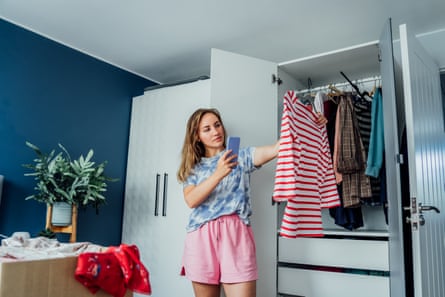
A recent report found that two-thirds of British consumers bought preloved goods online in 2024, a trend driven by the cost of living crisis and concerns for the environment. I’ve had great success selling in person at rail sale events that I organise with a friend, but there are more online options than ever if you don’t have such a thing locally.
“My favourite is Vinted purely through ease of use through the app,” says Brett Staniland, a model and sustainable fashion advocate who has been buying and selling clothes secondhand for as long as he can remember. “But I divide up what I sell; the more classic and niche menswear brands tend to do best on Marrkt.”
“Include hook words like ‘rare’ so that you draw people to your listing,” says Amy Bannerman, who was an expert in secondhand clothing long before she became eBay UK’s preloved style director. She recommends as many strong visuals as possible, photographed in natural light and clearly showing any damage or defects, with a measuring tape in shot to avoid discrepancies.
She also suggests comparing with similar items that are for sale before you price your own, and listing items in a “burst” so you have more for sale at once. “Include all information in the title (size, brand, condition) to make every stage easier for the buyer. I like to suggest ways to wear the item as it brings pieces to life more,” she adds. “I also keep everything I have for sale in a laundry bag so that it’s all in the same place. This makes it much easier to find things once you’ve made a sale!”
When it comes to items that sell well, quality is key, and accessories are always in demand. “High-value items such as luxury handbags and jewellery often increase in value, so if you buy well, you can make a profit,” says Bannerman. “Hats, shoes and bags fly!” agrees Staniland. “I recently listed two Cawley hats that were gone within minutes and had loads of offers for. Equally, knitwear does really well. Big woolly cardigans and 100% natural fibre classics never stick about long.”
Donate
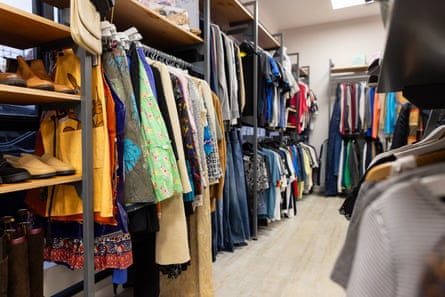
Charity shops are convenient and give us the opportunity to support causes that mean something to us. But all too often, they’re used as a dumping ground. “When people donate items that are unsellable, charities have to pay to dispose of them, which means your donation actually costs them money,” says Jen Graham, TV presenter, charity shopping advocate and fashion stylist, who is known as Charity Shop Girl on Instagram. “This would include dirty, stained or smelly clothes, clothes with visible sweat marks or visible damage, yellowing underarms, heavy makeup stains, damp or musty smells.”
As well as urging us to all bear in mind that “if you wouldn’t give it to a friend, don’t donate it”, she suggests making sure donations are packed into bags carefully (ripped bags can mean items get wet and ruined) and not overpacking, as crushed clothes look worse and can be damaged in transit. “Charity shops rely on pieces people actually wear and will reuse,” she says. “Quality matters far more than the brand. Trainers, boots, school shoes and work shoes sell well, as do accessories, scarves, handbags, belts and jewellery, especially when in good condition.”
Repair
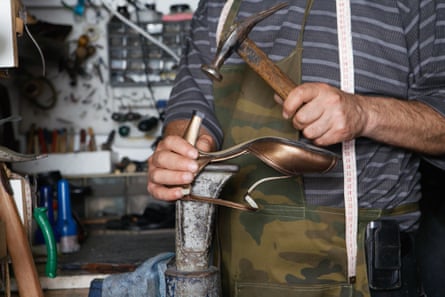
We don’t all have the skills to patch an elbow or mend jeans with the Japanese art of sashiko, but local services are often hard to find. “Many repair and alteration businesses are one-person operations, working offline and by word of mouth,” says Layla Sargent, founder of the nationwide repair and tailoring platform the Seam. “The skills are everywhere, but they’re often not visible or set up for modern booking and communication, which makes them hard to access.”
I used Sargent’s service, which matches customers to a skilled maker most appropriate to their particular issue for clothing or accessories, to impressively repair a pair of shoes that my puppy had chewed. I also recently had a pair of Birkenstock-style clogs resoled by the Boot Repair Company, which did a brilliant job. Based in Leeds, it’s happy to receive shoes and boots in the post from all over the country. Meanwhile, Sojo offers door-to-door alterations and repairs, as well as an in-store service in Selfridges.
For more, read how to make your favourite leather accessories last a lifetime
Recycle
Globally, only 1% of textiles are recycled into new textile products; most worn-out clothing is either sent to landfill or downcycled into other items such as rags and insulation. One problem is that we often give up on our clothes too soon. When I ask Sargent how many items the Seam sees that are just too far gone, I am surprised by her answer. “Very little truly is,” she says. “We see knitwear invisibly rewoven, jeans reinforced to last years longer, and coats fully relined when the outer fabric is still beautiful. Often what looks unwearable just needs the right hands.”
On the occasions that it really is time to say goodbye to a tatty T-shirt or that hoodie with one too many grease stains down the front, there are solutions that are better than the bin or a textile recycling bank.
You could send any 100% cotton clothing to the Isle of Wight, for example, where it really will be recycled into new clothes. There, Teemill’s Remill programme, which accepts any items with labels to show their cotton credentials (excluding underwear and jeans), recycled more than 14,000kg of cotton in 2025 alone. The reclaimed material is subsequently made into garments for users of its print-on-demand platform and the fashion brand Rapanui, which is also where cotton donors can spend the voucher they’ll receive for sending in their old garms.
For items of all kinds, Reskinned partners with brands including Finisterre, Passenger and Sweaty Betty, and guarantees that anything that passes through its Takeback scheme is either repaired and resold or recycled, and never sent to landfill.
Restyle and repurpose
If you feel stuck in a style rut, Bannerman suggests having a play around with what you already own, then investing in one item that will update it all. “I will try a load of stuff on and see where I have a gap,” she says. “This winter it was a thick warm blazer. I found one on eBay that has revolutionised my wardrobe and made everything else feel updated. It makes me feel smart and work ready. I wear it with straight-leg dark-wash Levi’s and some cosy layering underneath.”
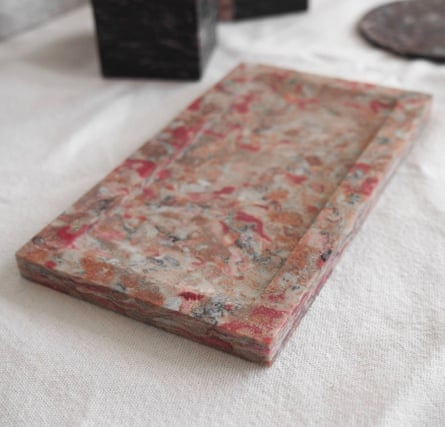
When an item no longer works for you, consider having it transformed into something that does. The Loom app’s makers and artisans are skilled at fashioning a wedding dress into everyday wear or transforming, as they did for me, an old suede pinafore into a handy tote bag. Alternatively, you could send a treasured, worn-out item to Re_Considered to have it made into a custom product, such as a candlestick holder or a jewellery dish. This is done using Fabreco, a recycled, multipurpose material made from waste textiles and bio-resin.
For more, read the best clothes and accessories to buy secondhand – and where to find them
Hannah Rochell is a fashion features journalist who specialises in writing about – and experiencing – slow, comfortable style and living on her Substack Slowette. This involves everything from exclusively wearing flat shoes and investing heavily in elastic-waist linen trousers, to advocating for dehumidifiers instead of tumble dryers and learning to sew