2 months ago
69
2 months ago
69
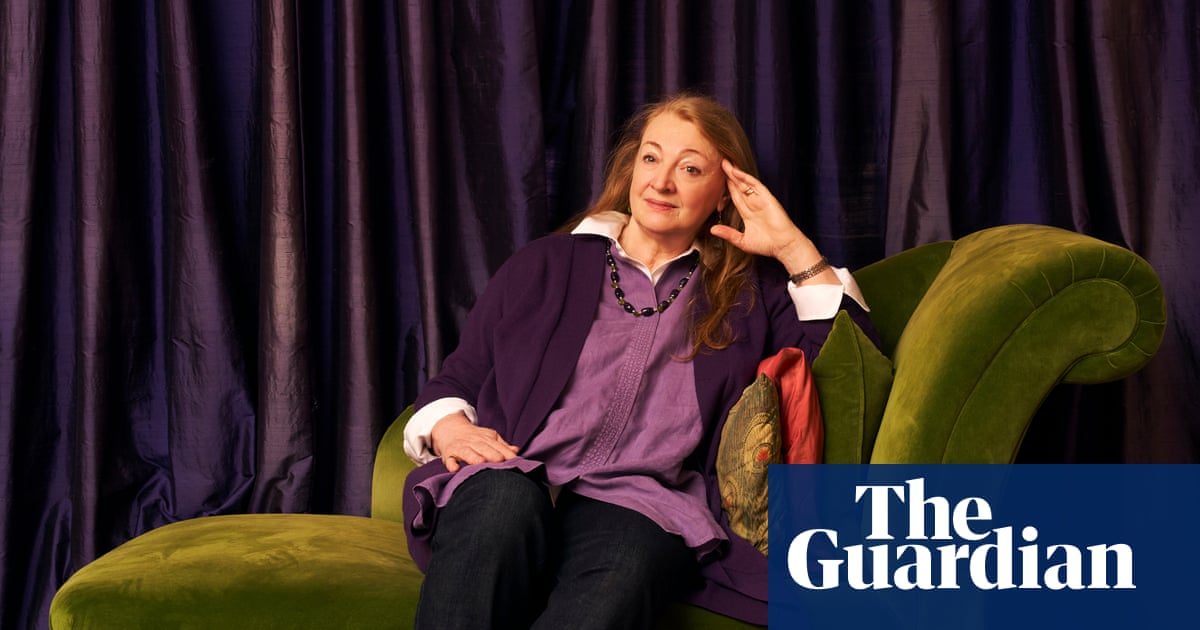
It feels pathetic to admit this, but I’m still a bit unmoored by my sons leaving after Christmas. There’s a readjustment required every time – back to tidy silence, to my studiedly casual WhatsApps going unread, to imagining their days by checking their weather. With my caretaking impulses thwarted, I’m anxious and unsettled, forever offering unwanted care parcels and unsolicited advice. “Let them live their lives,” I bleat to myself, while doing everything but.
In my defence, I wonder how natural it is to live in a monogenerational pod. My current round of wondering was prompted by reading about the rise of the “stay-at-home hub-son”. This subcategory of boomerang kids was first identified last year, after 28-year-old Brendan Liaw described himself as a professional stay-at-home son on the US quiz show Jeopardy!, prompting a rash of think pieces (and understandable eye-rolling in many communities where intergenerational living is commonplace).
Much of the hub-son discourse is anecdotal, but it’s rooted in demographic fact, both in the US and here: ONS data released in July showed 34% of 20-34-year-old men lived with their parents in 2024, compared with only 22.1% of women in that age bracket. The Washington Post recently talked to some happy homebody sons including Abdullah Abbasi, who makes tongue-in-cheek stay-at-home-sons (SAHS) merch, and Luke Parkhurst, who lives with his mum and is embracing the SAHS life. “I can look someone in the eyes and say, ‘Hell, yeah, I’m a stay-at-home son,’” he said.
My sons would rather gnaw off their own arms than stay at home, and while this is, I suppose, a success – they’re independent, that’s considered the end goal of this parenting business – it doesn’t feel like it sometimes. Thank goodness, then, for my one stay-at-home child, still needy and clueless; still filling my heart with the kind of sweaty, stomach-churning love that feels like standing on a cliff edge. My worry for my youngest peaked recently, because if you think watching your kids go out into the world is agonising, try putting one in a straw-filled plastic box in the fridge for six weeks and wondering if they’ll survive.
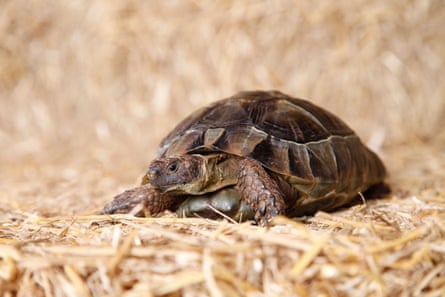
I speak, of course, of our surprise baby tortoise. Born, unexpectedly, in 2024, this winter was the first in which baby (gender still not established – I may have the rarer stay-at-home daughter) was chunky enough to hibernate: from 50 pence piece at hatching, it is now the size of a generous National Trust scone. The thought of hibernation was scary enough, but tortoises have to hibernate fasted, so we had to keep baby awake in the cold, unfed, for days. We moved the tortoise table into the hallway and I’m anthropomorphising, but seeing that small head snap up to look at me when I walked past, with what I read as hope, then wounded, hungry, incomprehension, day after day, was harrowing.
It was almost a relief to put baby in the box and close the lid, but even so, it felt unnatural, cruel even, to stick my child in the fridge; definitely worse than leaving their siblings, as freshers, in a grotty hall of residence with some groceries and a duvet in an Ikea bag. How was I supposed to do this? My husband took over.
Occasional checks and weigh-ins meant we knew our precious was still alive over the festive season, but the unboxing last week was still agonising; we placed baby, who is too young for full-length hibernation, under a heat lamp and waited. To our relief, it stumped around a little and took a brief bite of chicory. But then it burrowed into its bedding and tried to go back to sleep. We’ve been going through this process for several days now, offering the seduction of warm baths, grated cuttlefish on its greens and even a bit of banana, but baby’s interest in the awake life remains, at best, lukewarm.
It’s worrying, but I get it. Who among us wouldn’t prefer to burrow back into darkness for a few months and shut out the January 2026 world? And, I realise, I’m also, on some level, a little grateful. Keeping a grumpy scone alive despite its best efforts is the perfect distraction from my empty-again nest, and, if I manage it, I get the ultimate reward: a child who can never, ever, leave me.