3 months ago
68
3 months ago
68
Witnesses and survivors have described the horrific scenes of a Pakistani air raid that hit a drug rehabilitation centre in Kabul, killing more than 400 people, who burned in their beds or were crushed by the collapsing building.
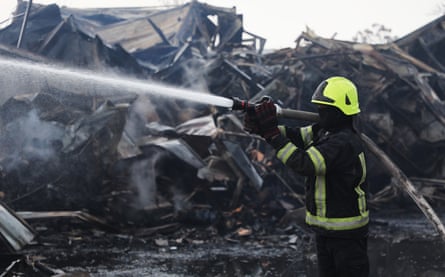
Afghan rescue crews were still digging bodies out of the rubble on Tuesday after the strike, the deadliest single attack so far in a three-week war between the two countries.
An ambulance driver Haji Fahim said he arrived at the hospital to find “everything was burning, people were burning”.
“Early in the morning they called me again and told me to come back because there are still bodies under the rubble,” he told Reuters.
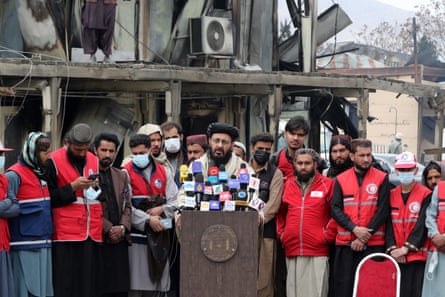
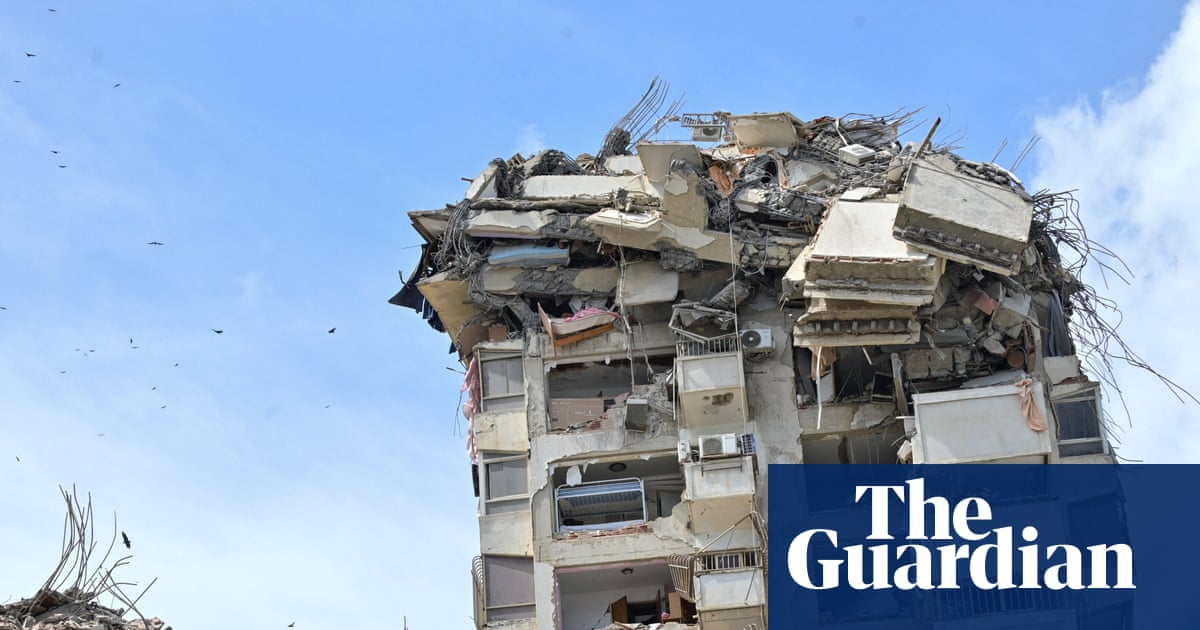
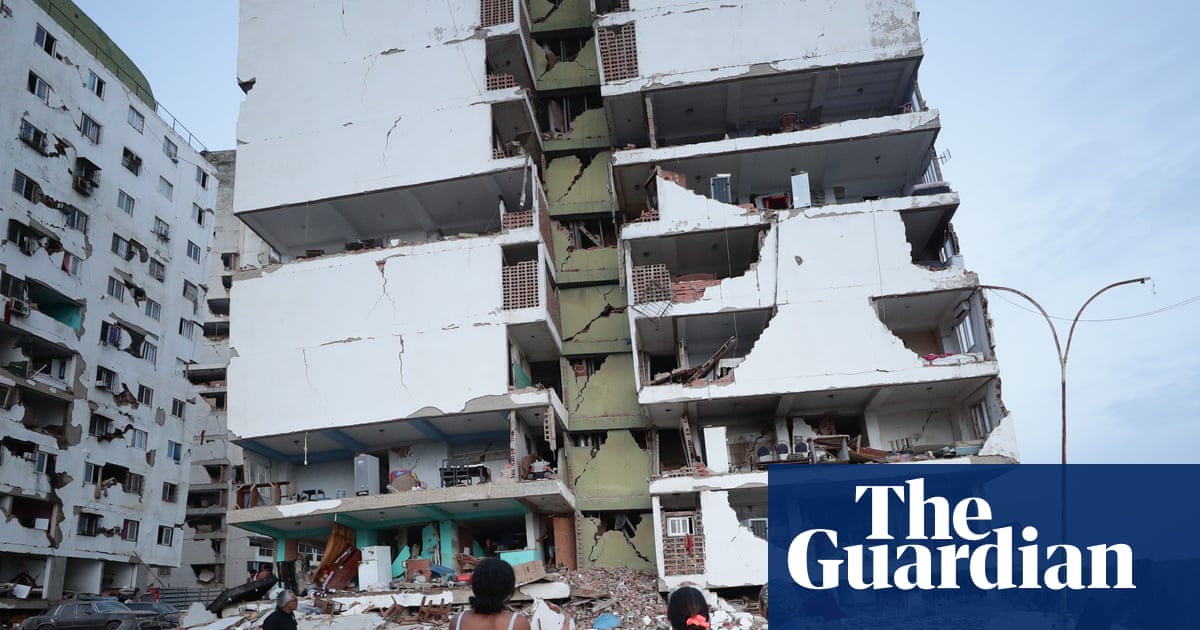
While some structures were still standing, much of the compound had been reduced to blackened rubble. Bunk beds stood in the open after roofs had collapsed, with blankets, mattresses and shoes strewn across the area. Surviving patients, dressed uniformly in green outfits and with shaved heads, sat inside a yard.
The Afghan interior ministry spokesperson Abdul Mateen Qanie said 408 people were killed and 265 injured at the state-run Omid hospital, which was hit late on Monday evening. Authorities did not give details of how they counted the dead, although multiple eyewitness accounts suggested a mass-casualty event.
The Norwegian Refugee Council, an independent aid group, said its staff had seen large numbers of casualties. “We visited the hospital treating addicts in Kabul this morning and found hundreds of civilians dead and injured,” it said in a statement.
Yousaf Rahim, a patient, said everyone was inside the wards when the explosion happened. “My bed was in the corner, and I suffered injuries to my leg and thigh. It was a horrific scene. Patients fell from their beds, screaming and running as fire and smoke filled the wards and rooms,” he said.
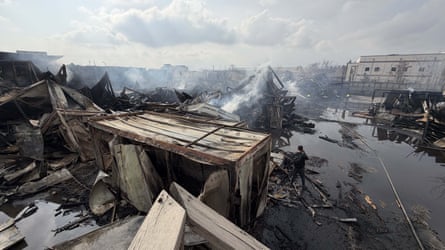
“Thick smoke and dust spread throughout the hospital,” he added. “Many people lay on the ground. Dozens died instantly, and the critically injured were pleading for help. I didn’t know what to do. I stepped over bodies and managed to escape outside.”
Mohammad Mian, who works in the radiology department of the hospital, said many young people under treatment lived in large containers on the campus and very few survived the strike.
“It was extremely terrifying,” he said. “Those who survived were the ones whose rooms were not destroyed and were fortunate. But the places where the bombs were dropped, everyone there was killed.”
The UN meanwhile called for an independent investigation into the killings. The organisation’s human rights spokesperson Thameen Al-Kheetan told journalists in Geneva that the “tragic blast” must be investigated promptly, independently and transparently. “Victims and victims’ families are entitled to reparations,” he added.
The conflict, which escalated in February when Pakistan launched airstrikes on militant targets in Afghanistan, is the worst ever between the neighbours who share a 2,600km (1,600-mile) border. Still, it has been overlooked as world governments focus on the spiralling US-Israeli war on Iran.
Pakistan has rejected accusations it deliberately targeted the hospital, and claimed it bombed “technical support infrastructure and ammunition storage facilities at two locations in Kabul”.
The Pakistani information minister, Attaullah Tarar, posted on X in the early hours of Tuesday that the strikes had been carried out “with precision only at those infrastructures which are being used by Afghan Taliban regime to support its multiple terror proxies”.
Omid Stanikzai, 31, a security guard at the drug treatment centre, told AFP that he heard the sound of a jet patrolling on Monday evening, and then Afghan forces fired into the air. Later, the “jet dropped bombs and a fire broke out,” he said.
The drug rehabilitation centre had been established on the grounds of an old Nato military base in 2016. It treated hundreds of people, providing them with vocational training, such as tailoring and carpentry, to make them more employable, according to local media reports. Locals referred to it as Omid Camp, or “camp of hope”, although its official name was Ibn Sina drug addiction Treatment hospital.
India, a nuclear-armed rival of Pakistan that has recently forged close ties with the Taliban in Afghanistan, condemned the strike on the hospital. China, which has attempted to play a mediating role in the conflict, urged both governments to stay calm and exercise restraint.
The UN special rapporteur on the situation of human rights in Afghanistan, Richard Bennett, said he was “dismayed” by reports of the airstrikes and civilian casualties.
“I urge parties to de-escalate, exercise maximum restraint and respect international law, including the protection of civilians and civilian objects such as hospitals.”
The attack came hours after Afghan officials said the two sides had exchanged fire along their common border, killing four people in Afghanistan, including two children, as deadly fighting continued to worsen.
Islamabad has described its conflict with Afghanistan as an “open war”. The fighting began in late February after Afghanistan launched cross-border attacks in response to Pakistani airstrikes. The clashes disrupted a ceasefire brokered by Qatar in October.
The Taliban seized Afghanistan in 2021 as the US and Nato withdrew their forces at the end of a two-decade war. Since then, they have imposed their interpretation of Islamic law on daily life, including sweeping restrictions on women and girls, who remain barred from many jobs, education and most public spaces.
Pakistan initially welcomed their return to power but relations have quickly soured, notably over the Afghan Taliban’s alleged role in giving a safe haven and sponsorship to radical militants. The Pakistan Taliban has, in particular, been responsible for a surge in deadly attacks in Pakistan.
Afghanistan’s Taliban government has denied any involvement in cross-border militant violence.
Agencies contributed to this report