3 months ago
67
3 months ago
67
Iranian security forces have clashed with protesters staging a sit-in at Tehran’s grand bazaar, firing teargas and expelling demonstrators as the nationwide protest movement continued to grow in its 10th day.
The violence on Tuesday at a location that carries historical symbolism as an activist hub during the country’s 1979 revolution comes as rights groups accuse authorities of cracking down on protesters.
At least 35 people have been killed in clashes surrounding the protests – which began over the state of the economy and rising prices – and more than 1,200 others arrested by security forces, according to the US-based Human Rights Activists news agency (HRNA).
In one instance, in Illam province, south-west of Tehran, video showed security forces in riot gear streaming into a hospital in search of protesters.
Despite the violence, protests showed no signs of slowing, with demonstrations in at least 257 locations in 88 cities across the country, according to HRNA data.
Iran’s president, Masoud Pezeshkian, told protesters on Tuesday that much of the economic situation was out of the government’s hands, warning that any intervention may only worsen already spiralling inflation.
“The government basically does not have such power. Even if it wants to do this, it will be forced to put heavy pressure on the lower deciles of society by printing money. The country’s income is certain and our resources aren’t unlimited,” Pezeshkian said in a speech on Tuesday.
The dwindling purchasing power that first triggered the protests has continued to decline, with the Iranian rial dropping to a historic low of 1.46m to the US dollar. The currency has lost about two-thirds of its value in the past three years and its nosedive has accelerated in recent months.
Iran’s central bank has meanwhile said as the currency falls that it would curb a programme to businesses that gives a preferential exchange rate on dollars – a move that is likely to lead to further price increases and shortages for consumers.
An end to subsidised exchange could further exacerbate shortages in Iranian grocery stores. Iran’s state news agency said the average price of a bottle of cooking oil had recently doubled in price, while other goods are simply unavailable as traders hoard products in anticipation of further inflation.
Pezeshian said the government may have to tighten its belt, blaming worsening economic conditions on sanctions, saying “oil is under embargo and sources of income are limited”.
The president said the government would open an investigation into allegations of security forces’ violence against protesters in Illam province. He also mentioned “an incident in a hospital in the city of Illam”, referencing the footage of officers raiding a hospital there.
The videos were directly referenced by the US state department, which said that “beating medical staff and attacking the wounded with teargas and ammunition is a clear crime against humanity”, in a post on X from its Farsi-language account.
The Iranian government has been toeing a careful line between an all-out crackdown on protesters and appearing lax, offering dialogue while security forces carried out arrests and at times appeared to use violence against demonstrators.
The supreme leader of Iran, Ayatollah Ali Khamenei, said on Saturday that the demands of protesters were legitimate, but that rioters among the demonstrators should be “put in their place”. The state-aligned Fars news agency said 250 police officers and 45 members of the volunteer paramilitary Basij force were injured in the demonstrations.
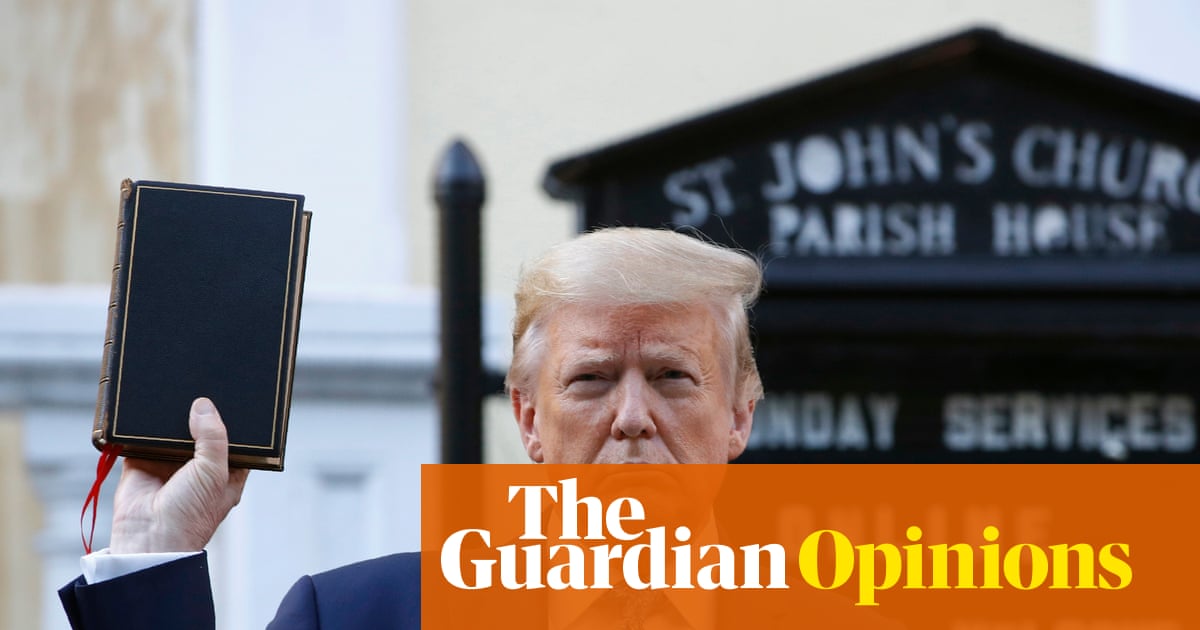
Donald Trump has threatened to intervene in Iran if the government kills protesters, a comment that drew angry warnings from top Iranian officials. The US threat carried extra weight after the Venezuelan president, Nicolás Maduro, was captured and brought to New York by US forces on Saturday.