2 months ago
68
2 months ago
68
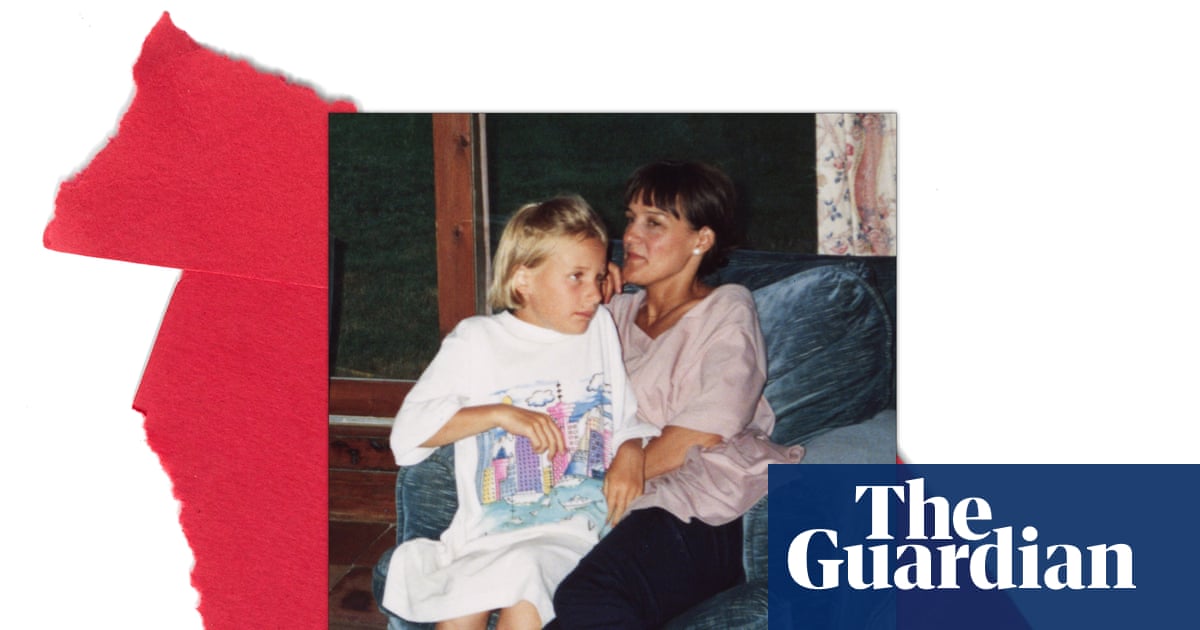
I am a single mum to an 18-year-old daughter. It has always been just us two, and we have a very open, supportive, healthy relationship.
She is going away to university in the new year and has recently developed a new friendship group I know less well than her old friends. They all seem friendly, look out for each other, and don’t let anyone go home on their own, etc. At first, I found her being out late with her friends particularly worrying. It took me a few days to get used to this new part of life, but we talked and I got across to her that it’s purely me worrying about her safety – I think she felt I was annoyed with her. I just worry, though I really appreciate that she keeps me informed of where she is, and I know many 18-year-olds wouldn’t be so open.
Now one friend is becoming a boyfriend and staying over. It seems very fast and I’m struggling to take it in. This empty nest is happening more suddenly than I expected and I miss her even though she hasn’t left yet.
I know I have no control. I know I have to just be there for her and keep communication channels open. But should I do more? I suppose there are two issues: is this OK for her; and how do I get through this period?
This is a major transition for both of you, but whereas for your daughter it seems to be all about new experiences and “gain”, for you it seems more about loss. The reality is that this is about letting go of the old, accepting the new and sitting with some feelings which may be uncomfortable for both of you.
It sounds as if you have a really good relationship and you’ve given your daughter a solid base from which to fledge, which is an essential next step. Her feeling she can leave home is also good news. Some children feel they can’t because they feel their parents are too vulnerable or needy. As for the boyfriend, are you comfortable with him staying in your house? You do have a say here, just as you would for any other friend staying over.
So the answer to your first question, “Is this OK for her?” is a firm yes. She sounds capable and sensible, but it’s important she doesn’t feel responsible for your happiness. That’s on you to manage, and I talk as an Italian mamma. Otherwise she may stop coming to you if something worries her, as she’ll worry about you worrying.
I went to UKCP-registered psychotherapist Sarah Calvert, who thought it important to understand that this separation is healthy: “This is exactly what needs to happen even if it feels uncomfortable for you both.” She wondered if you’ve taken the time “to identify specifically what worries you? Is it anxiety about her safety? A sense of losing control? Perhaps the fear of what life looks like when it’s no longer ‘just the two of us’? Understanding your own fears is an important first step.”
It will also help you separate out what’s your stuff to work through and what’s a real worry about something that may not be right. If you can, say these fears out loud to a trusted friend. When we don’t want to sit with uncomfortable feelings it’s easy to bat them away or “do” rather than think, so it’s really worth being brave and pondering the questions Calvert raises.
“I’d encourage you to have an open, honest conversation with your daughter about what kind of relationship she’d like with you now,” she says. “What does she need from you as she navigates this stage. While she’s building her independence she’ll still need and benefit from your love and support, just in a different form.”
We’d both like you to consider what opportunities this next phase could bring. “What are your own needs and desires outside of being a parent?” Calvert asks. “If you’re relying heavily on this relationship with your daughter for your emotional needs, that’s worth exploring, for your wellbeing and hers.”
Think about what brings you joy right now, take it slowly, reach out to friends. Expect days that feel heavier than others, but know they will pass. This is an exciting new chapter in your mother/daughter relationship, not the end of the story by any means.
Every week, Annalisa Barbieri addresses a personal problem sent in by a reader. If you would like advice from Annalisa, please send your problem to [email protected]. Annalisa regrets she cannot enter into personal correspondence. Submissions are subject to our terms and conditions. The latest series of Annalisa’s podcast is available here.