3 months ago
69
3 months ago
69
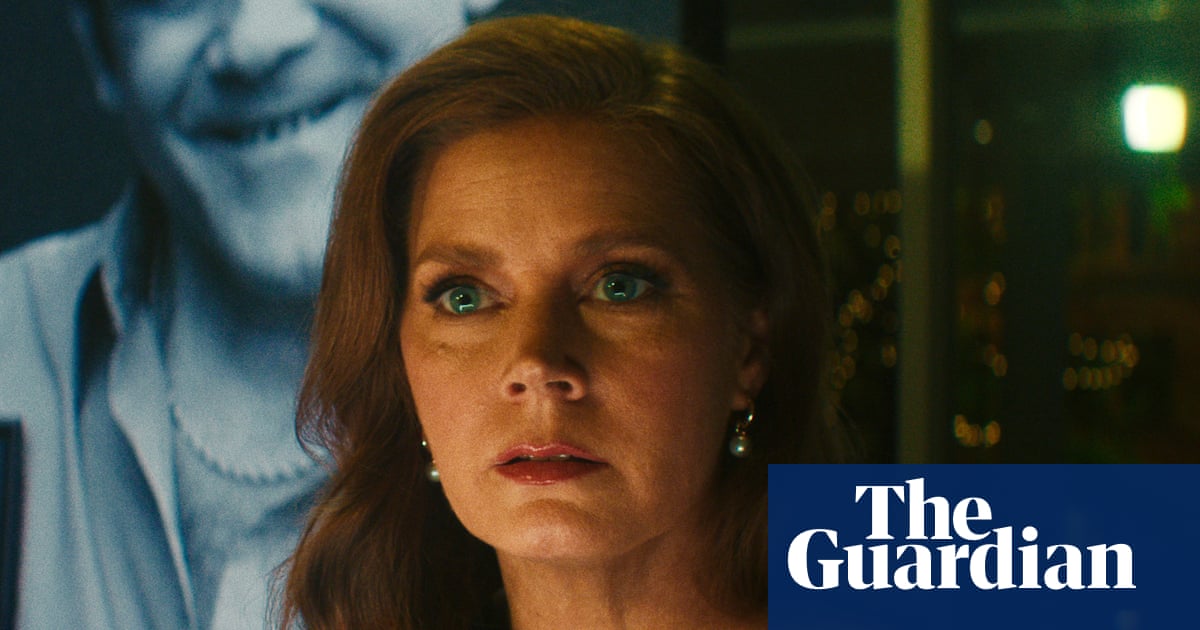
‘Hopefully you didn’t come for banjos and guitars,” Francesco Turrisi quipped, seated at the Wigmore Hall’s grand piano. A ripple of laughter passed around the hall – which had sold out on the strength of the artists alone, with no hint of what they might perform. But then, when half of your duo is Rhiannon Giddens – multi-Grammy-winning folk singer and instrumentalist, MacArthur “genius” grant recipient and now a Pulitzer prize-winning composer to boot – the name is all it takes.
For this second concert in their Wigmore Hall residency, Giddens and long-time musical partner Turrisi asked a question: what might our version of a recital look like? The answer was an eclectic fusion with folk, opera, jazz, pop and classical elements all adding their accent to a traditional voice and piano concert – a performance “honouring composers who don’t often get called composers”.
We moved from 1930s Harlem to 1960s Italy via Gaelic lullabies, original songs, even arias. A diffident presence on stage, her tension ricocheting off Turrisi’s fluid, conversational ease, Giddens is the ultimate performer – reinventing herself with each song.
She drew on a deep well of pain for Isolina Carrillo’s Dos Gardenias, tone scratched and pitted like an old record, before wiping it clean with the trickling purity of The Trees on the Mountains from Carlisle Floyd’s era-defining 1950s American opera Susannah – reclaimed as the Appalachian folk ballad it never really was. Ethel Waters’ politically charged version of Underneath the Harlem Moon saw Giddens push her mic stand aside, her body contorting, her voice now gnarly as if steeped in whiskey and rage.
Turrisi’s intelligent accompaniments drew his own musical strands – jazz and baroque music – into the picture. The co-written Non c’e Niente da Fare was a Purcell or Strozzi lament in contemporary clothes, while Bruno Martino’s Estate swapped bossa nova for echoes of Chopin’s Raindrop Prelude, the summer-sad narrator a cousin of Schubert’s Winterreise hero.
This was big, generous, provocative music-making on a small stage. Does the composer make the song or does the context? If it’s the audience who get to decide, then Giddens and Turrisi made their case: balladeers, anonymous authors and forgotten voices all taking their place alongside Beethoven and Bach at the Wigmore Hall.