3 months ago
63
3 months ago
63
Two days after Keir Starmer had been disowned by the Scottish Labour leader last week, and as a row raged over another controversial peerage, the prime minister decided to pick a fight with a billionaire.
It was a dark week for the prime minister, with the departure of his longtime chief of staff Morgan McSweeney, who had become a deeply divisive figure and who took the hit for the appointment of Peter Mandelson as US ambassador, despite his links to the convicted child sex offender Jeffrey Epstein.
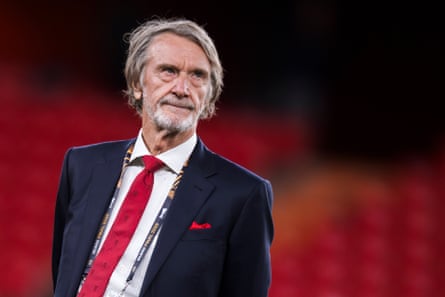
But last Thursday morning had – for a change – been dominated by a different story. Top of the bulletins were comments from Jim Ratcliffe, the Monaco-based Manchester United owner, who said the UK had been “colonised by immigrants”, citing wildly inaccurate figures.
The previous afternoon, when the comments were first broadcast, Starmer tweeted to proactively condemn them as “offensive and wrong”. Britain, he said “is a proud, tolerant and diverse country” and he called on Ratcliffe to apologise.
It is small scale in the scheme of things. But it was gesture that aides say will be a symbol of a much bigger shift.
“A few months ago we would not have done that,” said one adviser. “There would have been an internal row over whether it would look soft on immigration. But we know what the prime minister thinks, we know what he would want to say, so why are we hesitating?”
Starmer’s premiership is assumed to be doomed given the widespread anger at the last 18 months among MPs and the public. But there is a growing consensus in the cabinet that the lack of a plausible successor, and of one with the guts to challenge Starmer, means he may survive for much longer than predicted.
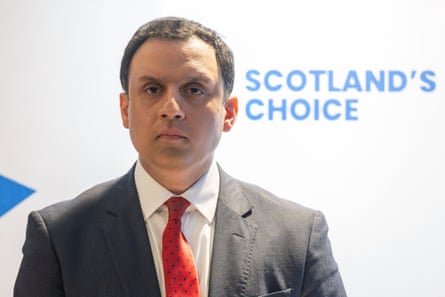
“Everyone is chastened by the coup that never was,” one cabinet minister said, referring to Anas Sarwar’s call for Starmer to resign, which did not see anyone else follow.
Strategists also do not believe the electoral position is terminal, despite some polls putting Labour in third or fourth. In most, the gap is about five to eight points with Reform UK, but a series of polls show voters are motivated to vote tactically to stop Nigel Farage, mostly to Labour’s benefit.
The exception, however, is that most voters say they would back the Greens in seats that are a straight fight between them and Labour.
The shift from Labour to Greens will be tested on Thursday at the Gorton and Denton byelection, where Labour, the Greens and Reform are fighting over a once-safe Labour seat.
Labour sources say they are increasingly optimistic about their chances of winning, having seen a record number of volunteers sign up to help, with about 500 activists campaigning on recent weekends.
They believe warnings to progressive voters about the divisiveness of Reform, coupled with attacks on the Greens’ liberal approach to drug laws, will help them to victory. Labour sources this week highlighted a Green party policy to legalise GHB, a drug that has been used in date rapes, for recreational purposes.
But party figures admit that for their strategy to work, they must work harder to avoid angering progressives.
“The one thing we must absolutely change is gratuitously pissing off our own voters,” said one senior minister. “It became somehow pervasive in the operation that we should not defend our values when it came to racism or gender or diversity, lest it anger Reform-curious voters.
“I tell you who we did anger: we angered our own core voters by just letting this evil stuff slide.”
McSweeney was often blamed as the blocker – though he was an advocate of a more ferocious approach to attacking Farage, he preferred a strategy that would have emphasised a different kind of patriotism.
Senior figures close to the prime minister who remain in the operation believe Starmer should show he is prepared to vocally defend Labour values – like his tweet to Ratcliffe did.
They include the chief secretary to the prime minister, Darren Jones, and the acting co-chief of staff, Vidhya Alakeson.
No 10 sources also pointed to the robust way that Starmer and the government responded to X’s AI tool Grok when it was used to create non-consensual images of women in bikinis and compromising positions.
When Elon Musk, the billionaire owner of X, criticised Starmer and Jess Phillips, the minister for safeguarding and violence against women and girls, in grotesque terms last summer, the official response was far more muted. There have been other examples, too, including on Thursday attacking Reform’s plan to scrap the Equality Act, saying the legislation was British at its core and represented “basic values”.
There have been many egregious failures on this front over the past year. One that sparked an internal row came over how No 10 and Labour should respond to the Conservative shadow minister Katie Lam calling for the deportation of legally settled people until the UK was mostly “culturally coherent”.
Initially, the formal response from the party criticised only the practicality of such a policy and reiterated Labour’s commitment to tackling illegal immigration. There was private fury among Labour MPs. “I actually could not believe that was our line,” one minister recalled.
Starmer was not even asked for his own view until preparation for prime minister’s questions four days later, where he told aides he thought it was a moral outrage and said he would respond very robustly if asked about it in the Commons – which he wasn’t.
One ally said it was “a farce” that the prime minister himself had not been given the opportunity to give his own view – even internally – until he brought it up himself during a broadcast interview on the Friday, almost a week after the comments were first made.
This was a strategy that would please no one, several aides admitted. “There are areas where there are real issues that need to be tackled like crime and border security, which we can show in our policies,” a senior aide said. “But we do not need to be aping Reform on cultural issues. That’s not who we are.
“I think a lot of that got blamed on Morgan and his team unfairly. They pushed the hardline immigration stuff, but they did not believe we should be holding back on attacking Farage. But being afraid to defend or say anything progressive became the centre of gravity in No 10 in a way that was almost inexplicable.”
There are other new approaches forming. Among the newer staff in Labour HQ and No 10, there is now an acceptance that the “hero voter”, which the party chased in opposition – working-class, white, older and pro-Brexit voters – were not those that delivered the 2024 election victory.
Much of this is borne out in post-election research. The voters Labour won were overwhelmingly younger working people and often graduates; more liberal, and pro-Remain.
The large but shallow majority was built on stretched professionals in aspirational areas such as Altrincham, Kettering or Corby, struggling with costs of childcare, mortgages and reliance on public services.
“There’s sometimes a bit of a debate about stereotypes and whether ex-factory workers or young urban grads are our core vote – both kind of miss the point,” one government source said.
“It’s people aged 30-65: families, potentially with kids or adult children still living at home, maybe an elderly parent in need of occasional support. These people tend to be towards the peak of their lifetime earnings, but also have significant cost pressures: housing, maybe childcare, or if they’re a bit older, starting to think about retirement or helping an older child get on with a career.”
For those voters, there are key fights Labour can pick beyond the economy that resonate, which is why Starmer has signalled he is prepared to consider a ban on social media for under-16s – a highly popular policy with parents, but one he had previously rejected as anti-growth and a fringe issue.
But relentless controversies have meant that any real change of strategy has been haphazard at best.
Since Christmas, Starmer had intended to do a major speech on his own values versus those of Reform – one that would hark back to his conference speech, where he railed against the “politics of division”.
The plan for the speech was to use the announcement about £800m Pride in Place funding. Departmental sources said it had been held for some time to allow the prime minister to use it as a moment to define himself against Reform.
But the speech was totally overshadowed by the Mandelson scandal, and barely made a single headline. Insiders blamed the failure to delay that speech on the now-departed communications chief, Tim Allan.
That role and chief of staff remain unfilled in No 10, leaving Starmer without crucial senior aides who could help turn a tentative new approach into something that feels like a more meaningful story to tell the nation.
To redefine Starmer for the post-McSweeney era is an unenviable task, and one many will suspect has a shelf life – the prime minister will almost certainly face renewed leadership threats in the coming months.
There is also a pervading view that Starmer is not loyal to those who serve him and rarely shows any appreciation for the toll it takes.
Almost all of the architects of that campaign are now gone, either out of frustration or scandal – most notably McSweeney. Starmer, who finds it hard to build trust, has just one remaining adviser who has stayed the course: his policy adviser Stuart Ingham – though Jill Cuthbertson, now acting as co-chief of staff, and Sophie Nazemi, who is interim comms chief, are long-serving Labour figures.
Each communications chief has tried different tactics. Allan, for instance, attempted to get the prime minister’s authentic voice to show through longer-form interviews and podcasts.
But barring one or two where Starmer talked with authentic passion about classical music, or his anguish at the death of his brother, he has often lapsed quickly back into robotic talking points.
“I think sometimes our communications geniuses have confused the idea that voters need to have more personal empathy with the prime minister with him showing empathy with voters,” one recently departed adviser said.
But almost all the staff who spoke to the Guardian agreed it was in his angry reactions to Reform that Starmer sounded at his most authentic. If Labour wins in Gorton and Denton on Thursday, he will be more empowered to continue in this vein.
“I think he has decided he is up for having this fight – he actually decided it before his conference speech in September,” one friend of the prime minister said. “Often the operation has been behind where he is himself on this.”