3 months ago
96
3 months ago
96
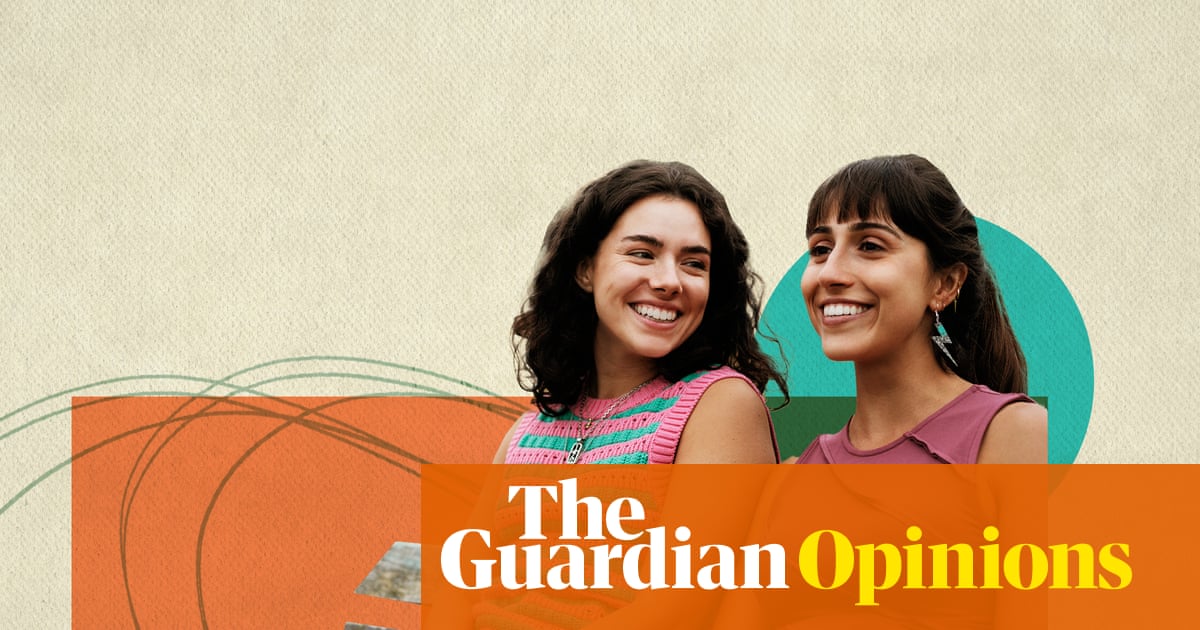
As Valentine’s Day approaches, we are once again flooded with the usual suspects: roses, chocolates, sophisticated dinners and glossy ads featuring young heterosexual couples staring earnestly into each other’s eyes. The problem isn’t just that this version of romance is exclusionary – though it is – it’s that it’s profoundly out of step with how love is actually being lived, negotiated and reimagined in contemporary Australia.
Culturally, love has long been framed as a pursuit of the young. From Romeo and Juliet to Normal People, from Bridget Jones to When Harry Met Sally, romantic fulfilment is depicted as something you secure early; ideally before your knees give out or your mortgage locks in. The message is consistent: find love in your twenties or thirties, settle down, and then coast (emotionally paired and narratively complete) until death do you part.
That story no longer holds (if it ever truly did).
In Australia, people over 50 are one of the fastest-growing cohorts actively seeking love – or, at the very least, rethinking what intimacy, partnership and companionship might look like in the second half of life. This shift isn’t marginal, it’s structural.
New research shows that close to a third of Australian divorces now occur after the age of 50; a phenomenon known as “grey divorce”. While overall divorce rates have declined since their 1990s peak, separations among over-50s have bucked that trend. Empty nest syndrome, financial pressures and retirement adjustments are all major drivers, but beneath these factors lies something deeper: a recalibration of expectations about happiness, fulfilment and selfhood later in life. For many, the end of a long marriage isn’t a failure. It’s a reset.
This is where our cultural narratives lag behind reality.
In my research on dating, gender and intimacy, I found that ideas about love remain stubbornly temporal. There is still a perceived “right” time to marry, a sense that one should sow wild oats before settling down in one’s late twenties or early thirties. Miss that window and the language turns anxious: you’ve “missed the boat”, done things “out of order” or fallen behind the life schedule.
For people dating in their 50s and beyond, that temporal anxiety is amplified. They are acutely aware that they are out of sync with the story they were promised, and yet, paradoxically, often far more intentional about what they want.
What became clear in my research is that older Australians come to love differently. Many women in their 50s, in particular, are seeking connection and companionship without cohabitation. They are reluctant to merge households, unwilling to take on unpaid caring roles for a new partner, and wary of financial entanglements that could jeopardise hard-won stability. This isn’t emotional coldness; it’s structural realism.
After decades of gendered labour – caregiving, part-time work or interrupted careers – many women enter later life with less superannuation, fewer assets and greater financial vulnerability. Add to this rising rates of homelessness among older women, and the romantic ideal of “starting over” through shared property or pooled finances begins to look less like love and more like a risk.
Men and women do not arrive at later-life dating on equal footing, and pretending otherwise only reinforces outdated ideals of romance that no longer serve anyone.
Then, there’s the dating landscape itself. For many over-50s, dating apps arrived suddenly and without warning; a brutal technological intervention into a world where courtship once involved friends, workplaces or chance encounters. For some, apps offered an unexpected abundance: a buffet of possibility, a way back into desire. For others, the swipe-and-discard logic felt alienating, even dehumanising, a sharp departure from slower and relational forms of connection.
Still, people adapt.
What’s striking is that despite the upheaval, many older Australians report being content on their own. Over half say they are satisfied with single life, particularly women, who cite independence, peace and personal space as key benefits. This doesn’t signal a retreat from love. It signals a redefinition of it.
We’re already seeing cultural green shoots. Programs like The Golden Bachelor have drawn large Australian audiences, suggesting a hunger for romantic stories that don’t centre youth. More broadly, as generation X moves into its 50s and 60s – the same generation that rebranded parenting, ageing and even grandparenthood (goodbye “Grandma”, hello “Gigi”), it’s unlikely they’ll accept inherited scripts about love without revision.
Love is about to be shaken up again.
The challenge now is to let our cultural narratives catch up with our social realities. Love doesn’t expire at 40. Romance isn’t invalidated by divorce. Intimacy doesn’t have to mean cohabitation, financial merger or lifelong sacrifice. For a growing proportion of Australians, love in later life is about alignment rather than aspiration, companionship rather than completion.
Love doesn’t belong to the young, and the sooner we rebrand it the better off we’ll all be.
-
Lisa Portolan is an academic. Her latest book is 10 Ways to Find Love … and How to Keep it. She will appear in ‘Heterofatalism’ at the All About Women festival at the Sydney Opera House on 8 March