2 months ago
58
2 months ago
58
It has been clear for many years that China’s status as a second global superpower poses challenges to the world’s democracies. Donald Trump’s marauding behaviour as president of the first-placed superpower makes those challenges more acute. In the past, the UK’s relationship with Beijing has been anchored, and sometimes dictated, by the alliance with Washington. Mr Trump’s contempt for former allies, expressed as sabotage of Nato and a scattergun imposition of tariffs, scrambles the old strategic calculus.
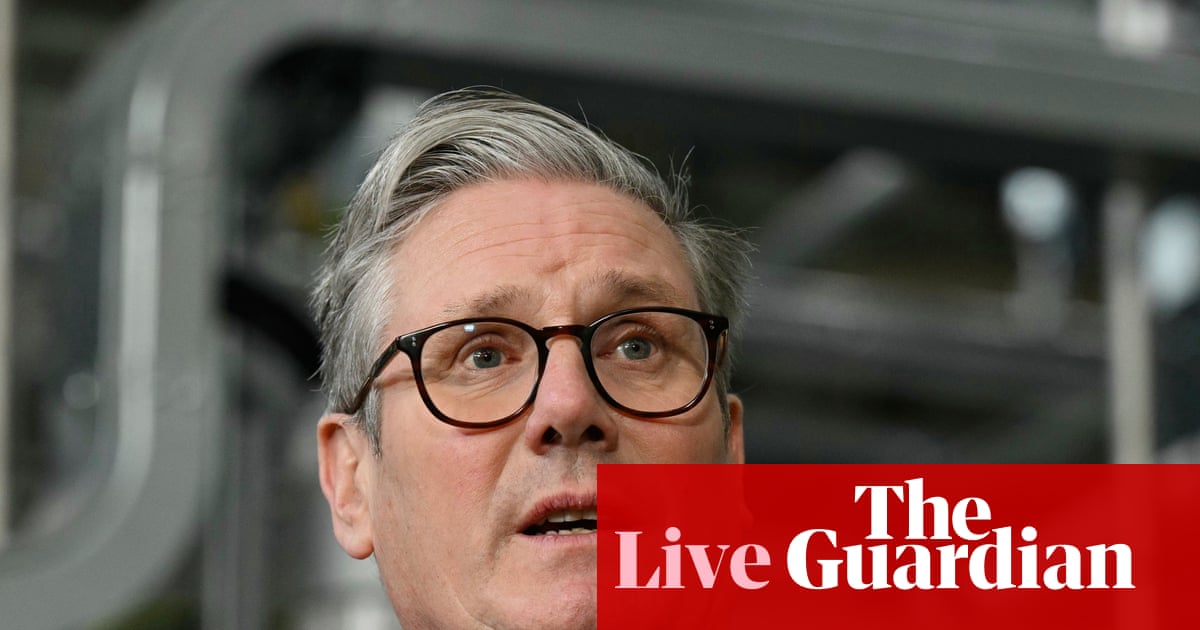
This is an ominous backdrop for Sir Keir Starmer’s visit to Beijing. The prime minister is trying to perform a difficult balancing act, looking for commercial opportunity in a growing powerhouse while protecting national security from an authoritarian behemoth.
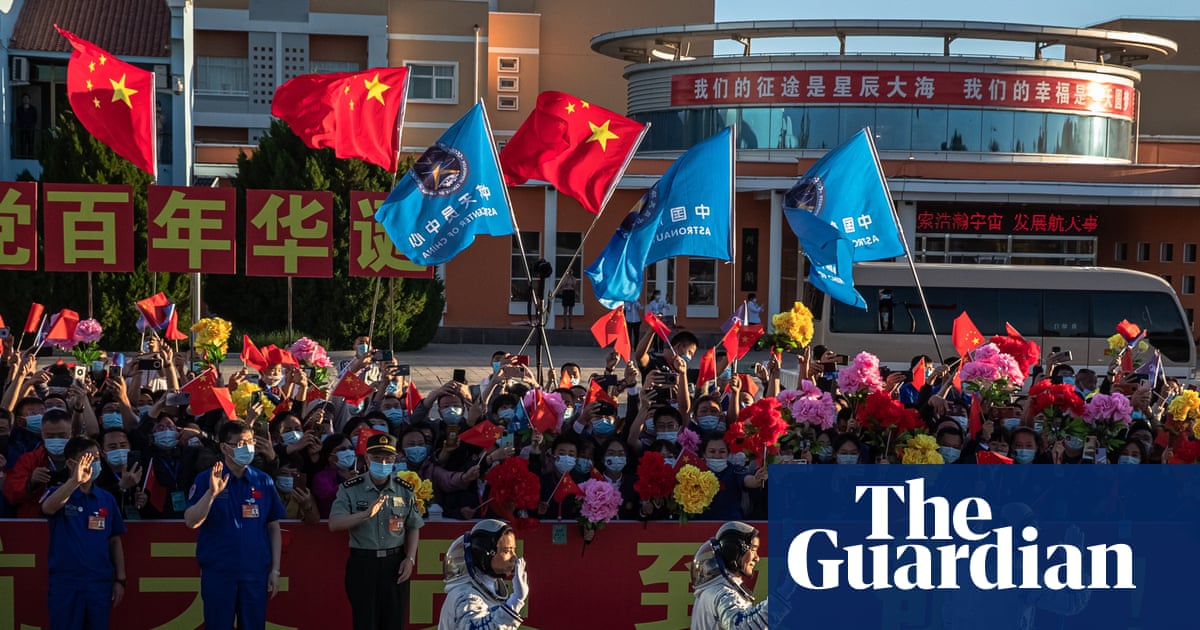
China accounts for just under a fifth of global gross domestic product. Its manufacturing output is greater than all G7 nations combined. It has a formidable AI sector, the only one in the world that competes with the US. It leads the world in green energy technology – a field the current climate-sceptic White House administration is happy to neglect.
It would be irrational to refuse to have a functional dialogue with such a country. Sir Keir is right when he observes that Britain has become an outlier in Europe in this respect and that the eight-year interval since the last trip by a prime minister to Beijing was too long. Kemi Badenoch’s claim that, in Sir Keir’s place, she would not go, demonstrates only that she has not thought seriously about what the top job involves.
Conservatives who accuse Sir Keir of performing a “kowtow” to Xi Jinping are quicker to enumerate all the things they dislike about Chinese Communist party rule than to describe a better alternative policy to cautious engagement.
There are good reasons to be cautious, and points of profound disagreement must not be brushed aside in pursuit of investment: the dismantling of civil rights in Hong Kong; the imprisonment of Jimmy Lai, a pro-democracy businessman and British citizen; the repression of the Uyghur minority that some Labour MPs were prepared to call genocide when in opposition; Beijing’s support for Vladimir Putin, enabling his war on Ukraine; aggressive espionage, described by a former MI6 chief as a “full press”; intimidation of dissidents in Britain’s Chinese diaspora. The list goes on.
Sir Keir has pledged to “raise what needs to be raised” with President Xi – a standard diplomatic euphemism allowing for cursory mention of delicate topics. In a more substantial exposition of his foreign policy approach last year, the prime minister also insisted that engagement with China would never lead him to “trade off security in one area, for a bit more economic access somewhere else”.
That is a fine ambition. In practice, the drive for greater commercial intimacy and the requirement for strategic wariness will inevitably create tensions with Beijing. Sir Keir has form when it comes to denying the existence of such conflicts of interest. He refuses to accept, for example, that his courtship of President Trump and his reset of relations with the EU pull Britain in different directions.
The contradiction between upholding values of democracy and befriending President Xi is even more stark. That is not a reason to refuse engagement, but it will take more than pre-summit assurances from the prime minister to prove that he can get the balance right.
-
Do you have an opinion on the issues raised in this article? If you would like to submit a response of up to 300 words by email to be considered for publication in our letters section, please click here.