3 months ago
69
3 months ago
69
What were once a DVD postal service, an online bookstore and an American cable channel renowned for showing B movies in motel rooms are now heavyweights in the sports broadcasting market. Netflix and Amazon have changed the global landscape, leaving TNT Sports under pressure to hold on to its subscribers.
I spent the last Super League off-season living in a stable (true story) with no access to satellite or cable, but still got my sports fix via free-to-air networks and subscriptions to Premier Sports, Prime Video and Netflix. I was fully sated on a diet of live rugby union, football, cricket, NFL and NBA – all for less than a Sky Sports or TNT subscription. So how will the increased competition between broadcasters affect league and union viewers?
What does ITV’s investment mean for TNT?
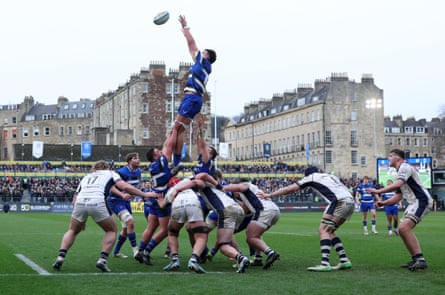
ITV has upped its coverage of rugby union. The channel has bought the rights to 10 Six Nations matches (with the other five on BBC) and the new Nations Championship, which features the 12 best teams in the world and will run in the second half of the year. TNT showed the autumn internationals last year and was expected to win rights to the new competition but ITV – who already show the Rugby World Cup – swooped in.
TNT reported a 35% growth in Prem audiences earlier this season, which – combined with losing the autumn matches to ITV and European club rugby to Premier Sports – persuaded them to increase its deal from £33m per year to £40m to secure Prem games for five years. Sport is TNT’s sole offering and, having also lost the Champions League to Paramount, and the Europa League and Conference League to Sky, the company has admitted it will need to reduce its subscription fee.
What about rugby league’s next deal?
The RFL wants a “balance between free-to-air, subscription TV and streaming broadcast rights” with “new packages created to improve broadcast revenues”. That means widening the net from Sky despite Super League viewing figures increasing by 52% in 2025.
British rugby league has remained loyal to Sky since News Corporation fuelled the Super League revolution 30 years ago, but the BBC now shows 15 games per season. Both companies are negotiating the next Super League rights deal and a third party – probably DAZN, which has NRL rights – is creating what RL Commercial chief Nigel Wood called “a competitive market”. Competition is essential, as long as Sky gets what it wants.
Sky subscribers can watch every Super League match, plus a couple of NRL games each week, plus State of Origin and a bunch of internationals. It’s the home of rugby league because it suits both parties. RL Commercial hopes to secure a “marginal increase” on the £21m a year Sky was paying but for three games a week, the BBC paying for one per round and the rest picked up by DAZN. That should attract closer to £30m a year.
British rugby league fans can watch everything for about £500 this year, but next season that figure will probably move closer to the £700 that union fans pay for two subscriptions and the BBC licence fee. That seems reasonable compared with the £1,000 that fans of Premier League teams who have qualified for the Champions League will have to pay to watch all their matches next year. No wonder illegal fire sticks are widespread.
The “just sell some games to everyone who will pay enough for them” policy has worked spectacularly well for the NFL, with eight broadcast partners in the US alone and each game now worth $50m in global TV revenue – almost as much as Super League and Prem Rugby’s deals combined last year.
What could terrestrial channels do better?
The BBC’s first five Super League games this season are all in different slots, from Thursday to Sunday, on a variety of channels spread over 11 weeks. The first – Castleford v Wigan last weekend – was not only hidden away on the iPlayer but directly up against Wales v France in the Six Nations on BBC1. The Beeb had the World Club Challenge but put it online on BBC3. Make it make sense.
Sporadic scheduling also undermines ITV’s coverage of the Prem; good luck knowing when or where its seven live games are on. It’s a missed opportunity to snare young viewers in households without satellite sports channels. There was more NFL action on free-to-air in the UK last year than club rugby union and league combined – and it benefitted from being on at the same time and channel each Sunday.
Where does Premier Sports fit in?
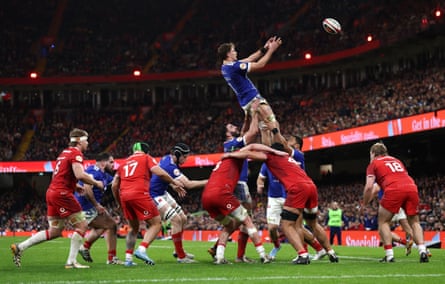
Premier Sports secured rights to show rugby union’s two European club competitions – the Champions Cup and Challenge Cup – for the bargain price of £6m a year and can tout themselves as the self-proclaimed Home of Rugby (club rugby union anyway). Its approach is clear: pile it high, sell it cheap. A tenner a month (less with various deals) will get you every domestic and European game played by almost every team in the United Rugby Championship and French Top 14. Premier now boasts 400 union games from 11 countries, as well as several internationals.
But Premier needs bigger numbers to make its model work - the business lost more than €4m last year. When the European competitions went to Premier, union’s supposed flagship competition disappeared from many fans’ screens. At the time, Premier had little more than a tenth of TNT’s 4.3m subscribers; Sky has more than 6.4m. The opening two rounds of Champions Cup games that featured British or Irish teams brought in around just 25,000 viewers, although all-Irish URC matches are attracting six-figure audiences on Premier.
Could Netflix or Prime change the game?
Rugby fans can watch more matches than ever, but the blanket coverage is mainly feeding the full. Reaching people who didn’t realise they were hungry is the challenge. ITV getting 5m viewers for England’s matches in the Six Nations is impressive but small fry compared to the potential on streaming platforms.
Netflix (starting at £6 a month) and Prime (£9 a month) want a thick chunk of sports viewers, not spread thinly like Sky or TNT. Prime’s audiences for NBA matches last year were four times those of TNT. And, by only showing the tie of the week, its Champions League football has repeatedly reached five million viewers in Europe.
Prime’s sport offering is just one dish on a menu designed for the whole family. “If a family orders one Amazon delivery a month, watch a Champions League match, a film and the kids watch something, that’s a couple of quid each – that’s hard to beat,” a Prime spokesman told me.
One event that could cut through to a worldwide audience is the NRL’s much-hyped State of Origin series, which occupies three of Australia’s top five most watched TV slots each year. It could be the event that entices Prime or even Netflix – with its 325 million subscribers – to invest in rugby league. Thursday night’s thrilling World Club Challenge would also have been an ideal one-off event to sell to the leading streamers.
Warner is launching HBO Max in the UK and Ireland next month (it is predicted to cost a fiver a month) and are moving all of its TNT Sports content across from Discovery+. Only Disney, Apple and Netflix have more than HBO Max’s 128m subscribers.
What will happen next?
Appointment viewing has undoubtedly been reduced to reality TV finales and live sport – our local craft beer pub showed The Traitors final as if it was a Six Nations match – but social gathering to watch big games may not be doomed after all. Kids who only watch clips on their phones now will almost certainly mature into the next wave of middle-aged sofa-sitting, pub-going sports fans. They just need to see rugby on their little screens more often if the sport is to keep growing.
Follow No Helmets Required on Facebook