3 months ago
70
3 months ago
70
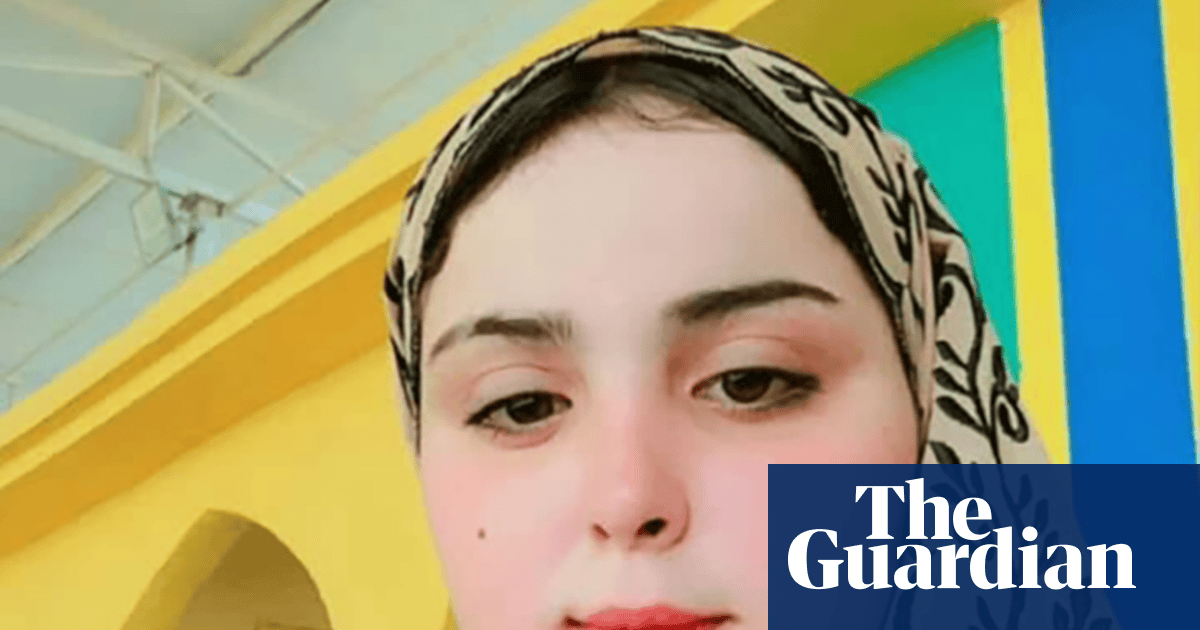
Every year, Ramadan comes as a sanctuary for the soul. For Muslims like me, it is a sacred pause in the chaos of life. But this year, as a woman displaced from the familiar streets of Gaza City to a rented room in Al-Zawayda, I am searching for a peace that feels like a ghost. The world calls this a “ceasefire”, yet from my window the silence feels heavy. We are holding our breath because the fear of death has not disappeared, it has just become unpredictable.
I did not welcome Ramadan this year with the golden lanterns that once adorned our balconies. I welcomed it to the roar of bulldozers clearing the bones of neighbouring houses and with the constant buzz of the zanana, the Israeli surveillance drones, overhead. Even as we stand in prayer, that metallic humming drowns out the adhan, the call to prayer, reminding us that we are still watched and that our “calm” rests at the mercy of a sudden strike.
My heart remains in the ruins of Gaza City. I mourn the vibrant life of Al-Zawiya market, the scent of its spices, and the al-Omari mosque, where our collective prayers once felt like an unbreakable fortress. Ramadan used to mean true warmth to me. I experienced it at my family home in Gaza, in the Rimal neighborhood, where the table brought us together, filled with laughter and peace. Sometimes I would break my fast with my family, sometimes with friends or neighbours, as if the month were teaching us that the heart had room for everyone.
Today, we stand in cramped rooms, our ears tilted toward the sky. We pray for mercy and listen for the whistle of a missile that may decide our “truce” has expired. Displacement has turned every ritual into a mountain to climb. The cost of food and drink for the entire month of Ramadan used to be no more than 1,000 shekels, while today it is easily 3,500 shekels without even fully meeting basic needs.
As I walk home from work just before sunset, I move through rubble and sand that fill the air and sting the eyes. The road I take is a winding path between collapsed buildings and deep craters. At that hour, my thoughts are simple: what can I prepare for iftar, when we break our fast, from so little? Ramadan evenings once meant anticipation – choosing where to break our fast, stepping into spaces filled with light and laughter. Now, I calculate portions of lentils and count what remains in the cupboard, trying to create something that still feels like home.
Even through this grief and exhaustion, I see a defiant and beautiful hope. In Al-Zawayda, neighbours share their small portions of lentils or dates with dignity that rises above hunger. This solidarity is our sacred resistance. It is our way of declaring that even if our homes are destroyed, the human spirit within us will not be crushed. We light a single candle, not because it will keep the darkness away, but because the act of lighting it is itself a victory over despair.
Ramadan for the children is the hardest part. They have learned the language of war, and can hear the difference between a shell and an explosion, even before they have learned the songs of Ramadan. When they ask “Will the bombing return tomorrow?” they are really asking if they have a future. Something we can’t answer – for them or ourselves. Yet when I see them hanging a torn decoration on the side of a tent, I understand something essential: in Gaza, hope is not a feeling. It is a decision.
Please understand, while you at home may hear that it is quiet here – with fewer stories in the news about us and a fragile “ceasefire” reported – quiet is not peace. Real peace is the right to the ordinary. To walk to a market that still exists and hasn’t been turned to rubble, to pray in a mosque that has not been desecrated, to go home to a neighbourhood that hasn’t been flattened, to sleep without wondering whether silence is merely the prelude to another nightmare.
This Ramadan in Gaza comes with a different spirit. As the adhan sounds tonight, I feel a flicker of tranquility. Not because the world is just or we can see an end to our suffering, but because we are still here, weaving hope from threads of ruin. We fast, we pray and we remain – not out of habit, but as an act of reclaiming our souls from the wreckage.
-
Majdoleen Abu Assi is a project coordinator and humanitarian practitioner based in Gaza, Palestine
-
Do you have an opinion on the issues raised in this article? If you would like to submit a response of up to 300 words by email to be considered for publication in our letters section, please click here.