1 month ago
51
1 month ago
51
For those who lived through the cold war, the fall of the Berlin Wall on 9 November 1989, was an unforgettable moment. The sinister watch towers with their searchlights and armed guards, the minefields in no-man’s land, the notorious Checkpoint Charlie border post, and the Wall itself – all were swept aside in an extraordinary, popular lunge for freedom.
Less than a month later, on 3 December 1989, at a summit in Malta, US president George HW Bush and Soviet leader Mikhail Gorbachev declared that after more than 40 years, the cold war was over. All agreed it was a historic turning point.
Yet fast forward to December 2025, and one question persists: did the cold war – the west’s many-fronted, global confrontation with Moscow and its allies – ever truly end? Led by Vladimir Putin for the past 25 years, Russia has resumed the familiar role of an aggressive, expansionist power stalking Europe’s borderlands. Ukraine, the Baltic republics, Georgia, Moldova, even Poland, are again treated as property or prey.
With hindsight, it seems that 1989 “turning point” was less than wholly decisive. In fact, it has been turned on its head.
This phenomenon is nothing new. Successive generations typically believe their experience is unique – yet, historically, factually, ideologically, they are usually wrong. When major geopolitical shifts occur, they are breathlessly described as “historic” and “unparalleled”. Because history is insufficiently studied, because perspectives are limited by human lifespans, because the same mistakes are repeated over and over, momentous events are hailed as watersheds, landmarks and epochal inflection points. Almost invariably, they’re not.
Think of the Arab Spring of 2010-11, a series of uprisings hailed as a Middle Eastern democratic renaissance. Those hopes were soon dashed. Think of 9/11, which led the US to declare a “global war on terror”. That, too, was deemed unprecedented at the time. Yet if any lasting change occurred, it was in the damage done to international law, respect for sovereignty and human rights. Think Afghanistan. Think Iraq. Both invasions are now widely viewed as mistakes.
In a world fixated on sensational, ostensibly seismic upheavals, the realisation that many such events are false dawns – products of national delusions, strategic miscalculations and ahistorical misperceptions – is salutary and reassuring. Putin’s 2022 Ukraine invasion is a disaster for Russia. Brexit is proving chastening and instructive. Now – too slowly – it’s being painfully reversed.
There’s a lot to be said for continuity, and there’s a lot more geopolitical continuity around than is generally allowed. Despite the disruption, schisms and confusion caused by hard-right politicians promoting nationalist-populist panaceas, culture warriors campaigning to change the world and unregulated online media hyping flashpoints and spreading disinformation, the basics don’t change that much.
Revolutions are overrated, intrinsically unpredictable and typically followed by counter-revolutions. True turning points in history are actually quite rare – and difficult to spot. Even rarer are genuinely world-changing leaders. Donald Trump presents a case study.
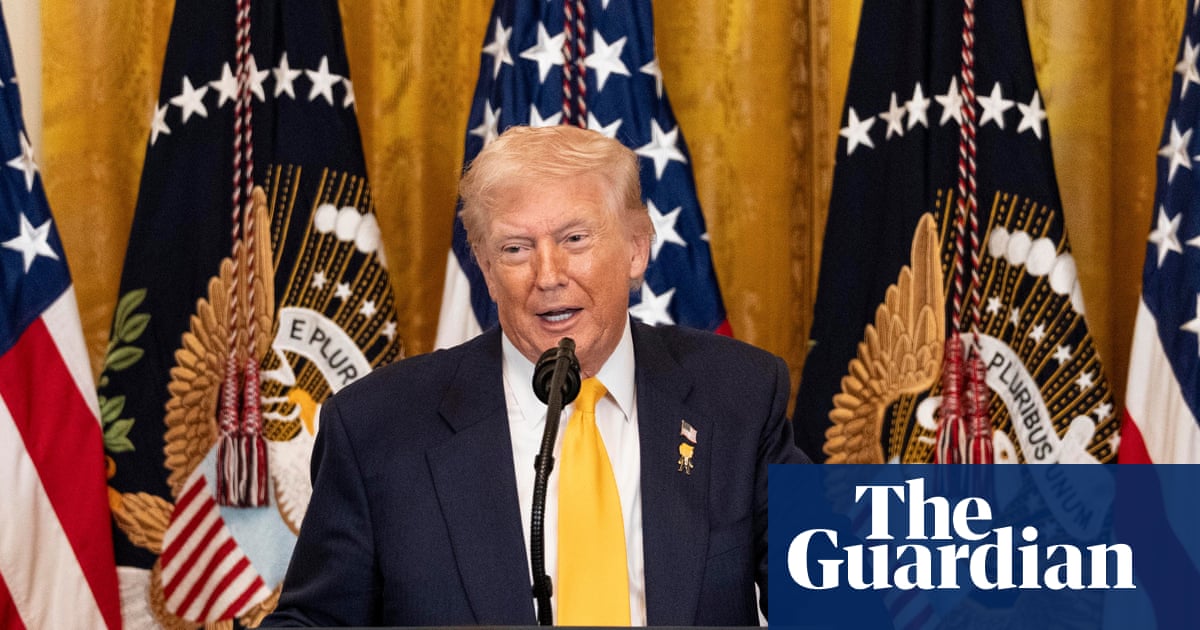
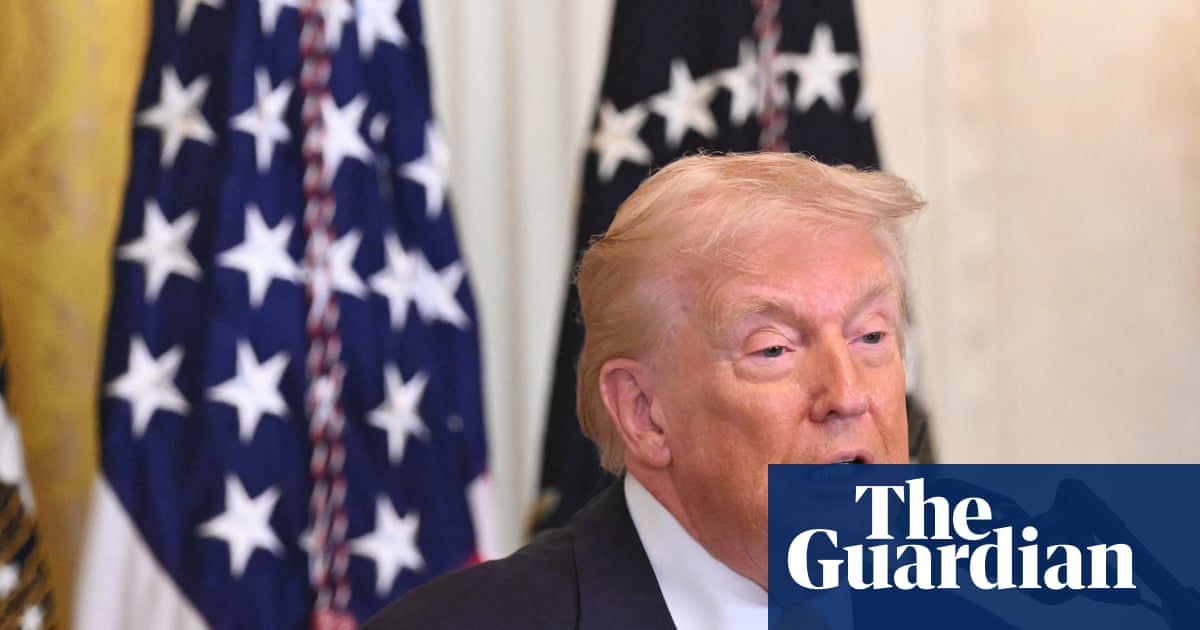
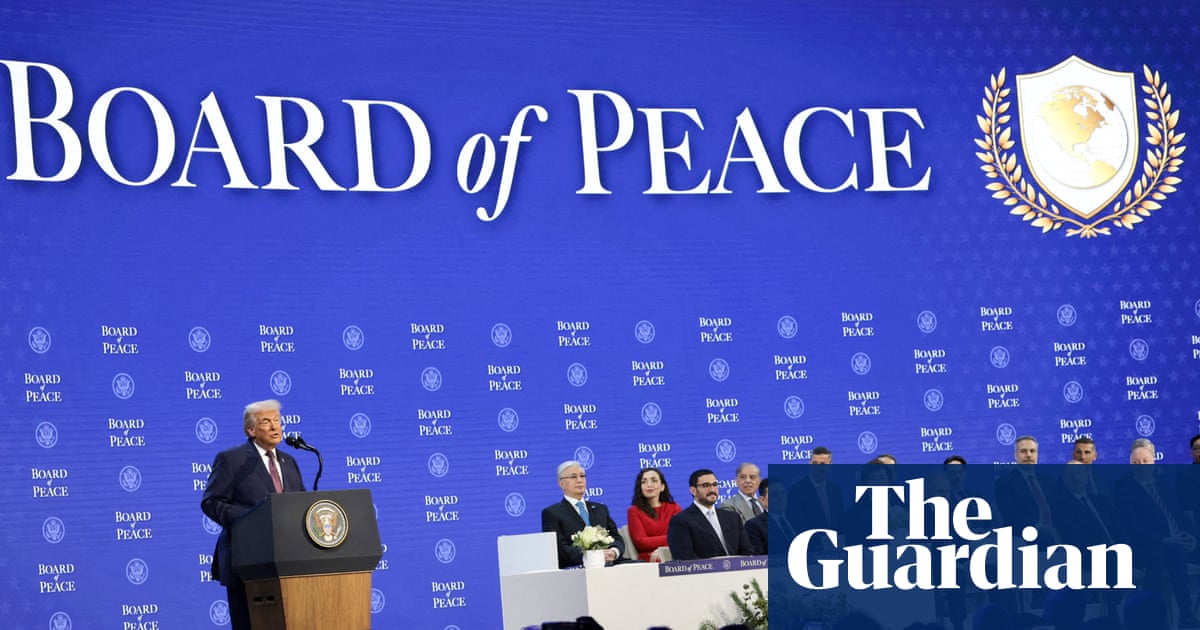
The way Trump tells it, he’s Alexander, Charlemagne, George Washington, Napoleon and Mahatma Gandhi all rolled into one. Yet after a decade at the top of US politics, solid achievements are few. His peacemaking flounders, his economic and trade tariff policies falter, his personal approval rating tumbles. Towering ego, ignorance, vulgarity and bottomless narcissism are Trump’s only exceptional traits.
Right now, the global and domestic upheavals triggered by Trump and Maga seem transformational. They are symbolised by the new US national security strategy – an authoritarian, anti-European, transatlantic alliance-rupturing charter. On all sides the cry is heard: “The old order perishes. Chaos looms!” Yet looked at in the round, the Trumpian moment is fleeting. Trump, 79, has three years remaining in power, at most. Even if a loyalist wins in 2028 – a huge “if” – no heir can match his monstrous appeal. His Maga coalition is fracturing.
It’s claimed Trump has permanently changed how Americans view the world. But they said that about 1930s America First isolationism, and that didn’t last, either. Time will show the Trump era to be less turning point, more freakish aberration – a sort of Prohibition for populists. In history’s bigger picture, Trump is a blotch, an unsightly smear on the canvas.
At an unsettling moment in world affairs when the tectonic plates are shifting (to recycle another melodramatic cliche), it’s important to stay grounded, to maintain perspective. As 2026 trepidatiously creeps through the door, nursing hangovers from the tumultuous year just ending, try counting the continuities and bridges rather than dwelling on earthquakes and chasms.
Given a free choice (which is the whole point), democracy, for all its flaws, continues to be the preferred system of governance worldwide. Divisive hard-right and neo-fascist parties remain, mostly, on the fringe; they do not rule. Authoritarian leaders such as Putin, China’s Xi Jinping and Israel’s Benjamin Netanyahu have no recognised successors, not least because they fear usurpers. When they go – and it won’t be long – successor governments may opt for reform, as was the case post-Stalin and post-Mao.
Most countries still support the UN and respect international law. Music, film, theatre and the arts continue, overall, to connect and bind the peoples of the world, as does sport, the great global leveller. Religious faith, broadly defined, acts as a timeless, superhuman unifying force, despite the distortions of extremists. And the quest for knowledge and understanding, pursued through schools, universities, scholarship, historical research, books, scientific inquiry and technological innovation, inexorably advances with each new generation.
If one is allowed a wish for 2026, it’s that there be no great geopolitical turning points, no epic spasms or watersheds (with possible exceptions for Putin’s defeat and Trump’s resignation). Most people, given the option, would surely prefer to live their lives peacefully, striving to improve their lot and that of others, free from importunate, lying politicians, divisive dogmas, shaming bigotry, competing great power hegemonies and renewed conflicts.
Que no haya novedad – let no new thing arise, as the old, wistful Spanish saying has it. For a still hopeful, vibrant world haunted by fear of another cold (or hot) war, it would be a gift and a blessing.
-
Simon Tisdall is a Guardian foreign affairs commentator