3 months ago
73
3 months ago
73
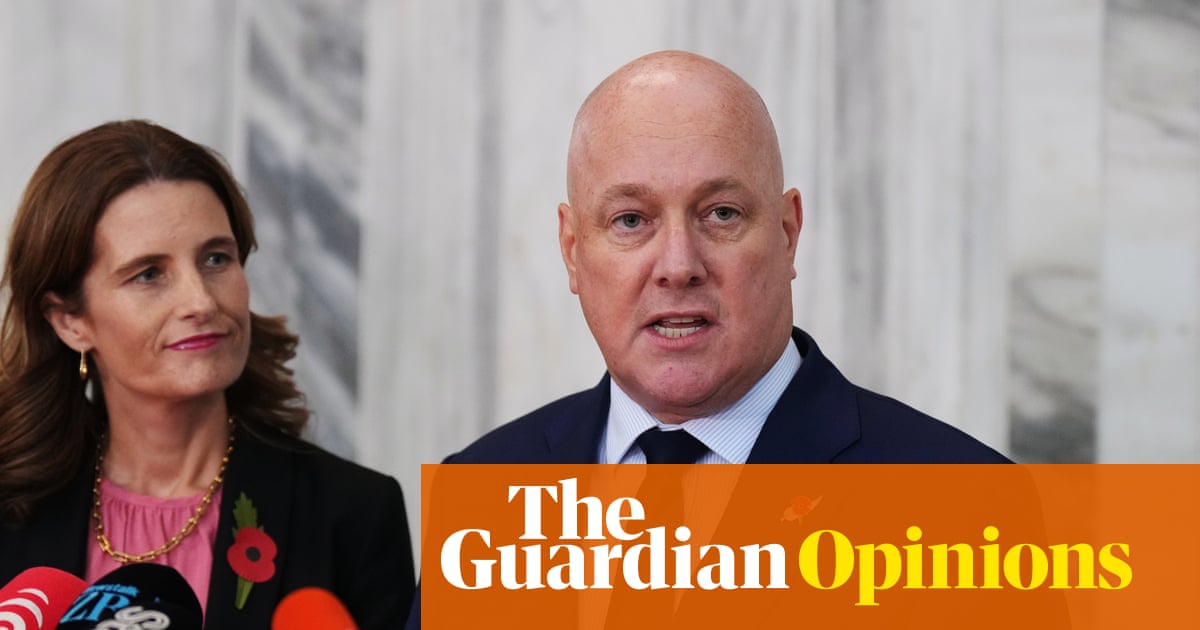
Donald Trump should defy Benjamin Netanyahu and realise renewed talks with Iran over its nuclear programme are a better bet and more likely to succeed owing to stronger support in the region for a successful outcome, the Iranian foreign minister, Seyed Araghchi, says in a Guardian article. He also suggests Trump’s Republican base want a deal and not further unnecessary wars.
Araghchi was writing a day after Netanyahu held talks with Trump in the US in which Israel’s calls to consider fresh attacks on Iran were discussed alongside the Gaza peace plan.
Netanyahu claims Iran may be seeking to rebuild its nuclear programme after joint Israeli-US assaults on Iran in June severely damaged its key nuclear sites. Netanyahu has also been expressing growing concern about the risk to Israel posed by the neighbouring country’s missile programme. He will be emboldened by reports of protests running into a third day in the Tehran bazaar over its depreciating currency and rising inflation.
On Monday, speaking alongside Netanyahu in Florida, Trump said: “I hope they’re not trying to build up again because, if they are, we’re going to have no choice but very quickly to eradicate that buildup.”
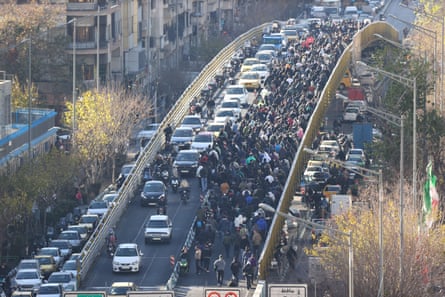
But Araghchi makes a direct appeal to Trump to set aside Israeli warnings and realise a narrow window has opened to restart negotiations with Iran. It is one of his most direct appeals to Washington to restart talks and include Iran in a recalibrated Middle East.
He writes: “The US administration now faces a dilemma: it can continue writing blank cheques for Israel with American taxpayer dollars and credibility, or be part of a tectonic change for the better.”
He insists Iran remains open to negotiation so long as a capitulation is not required and says an unnecessary crisis can be avoided through talks.
He reveals without naming any specific country that he “has been made aware that there is an unprecedented willingness amongst mutual friends of Iran and the US to facilitate dialogue and underwrite the full and verifiable implementation of any negotiated outcome”.
His remarks suggest Gulf states may be willing to provide guarantees about any future nuclear programme, but Araghchi gives no hint that Iran is prepared to back down over its insistence on its right to enrich uranium domestically for civilian use, the issue that dogged US-Iran negotiations. He argues all signatories to the nuclear non-proliferation treaty have a right to access all aspects of a peaceful nuclear programme.
Araghchi says any future talks could take place in a more propitious context since the assaults on Iran in June had changed diplomatic alliances across the Middle East, showing that Iran has the strategic depth to resist Israel, while in the US hostility towards Israeli brinkmanship is growing.
He writes: “The shifts in our region can enable implementation of understandings in a whole new way. For those willing to go where no one has gone before, there is a brief window of opportunity. Fortune favours the brave and it takes a lot more guts to break an evil cycle than to simply perpetuate it.
He added “a rising number of Americans realise that Israel is not an ally but a liability”, adding Trump’s Arab allies have come to view Israel’s recklessness as “a threat to us all”.
Despite the heavy economic pressure on Iran, revealed by its plunging currency and budget deficit, Iran’s leaders believe they emerged psychologically stronger from the June war than expected. Those in Israel and Washington that think Iran is weaker than Araghchi claims will point to a continued crackdown on dissent, sporadic protests, spiralling executions and an inability to break out of the cage of US economic sanctions.
But Araghchi claims Israel has repeatedly misled Washington “into believing that Iran was nearing collapse, that the 2015 nuclear deal was a lifeline for us, and that abandoning the accord would compel us to quickly concede”. Those myths encouraged Washington to abandon a functional diplomatic framework in favour of “maximum pressure” that produced only “maximum resistance”.