1 month ago
45
1 month ago
45
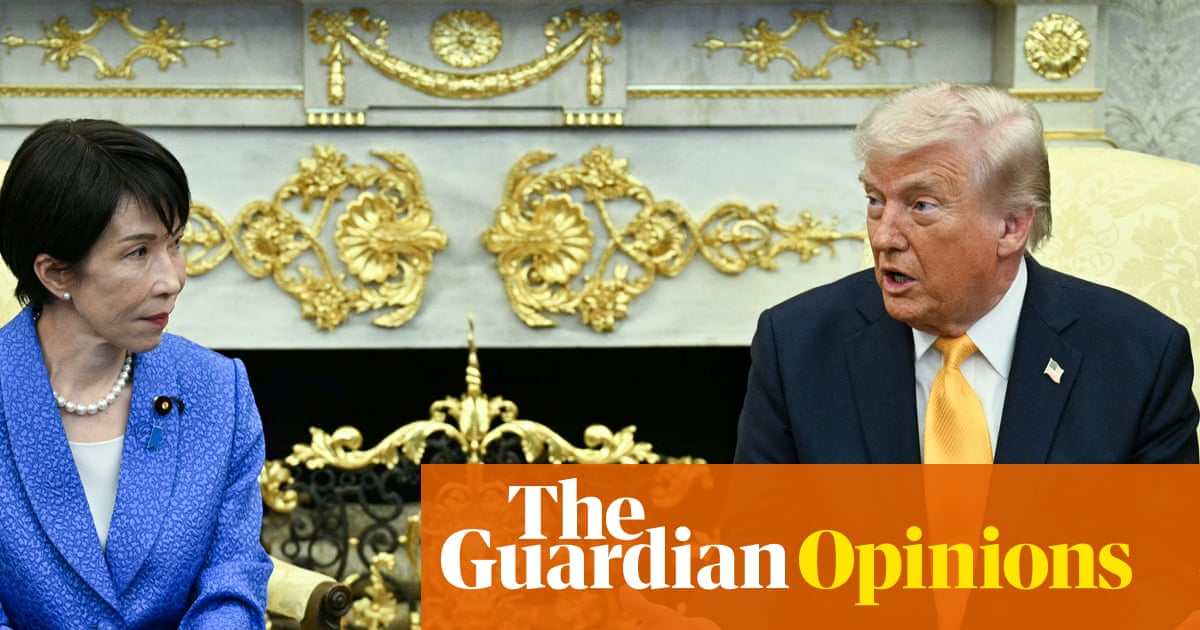
Donald Trump handed Vladimir Putin a financial lifeline last week when he waived a ban on India buying Russian oil for 30 days.
Trump found himself in a furious row last year with Narendra Modi over his country’s oil deals with Moscow, only for fences to be partly mended when India’s biggest importer later capitulated.
Now we find the power of oil as an instrument of geopolitical power is again to the fore. It suits the US president to ease up on sanctions against Russian oil purchases to keep the global oil price down.
Trump knows that high prices at the pump could send his popularity to fresh lows and believes that allowing more Russian oil into the global system will limit the extent of an Iran-induced petrol price spike.
Putin’s regime survives on the hard currency provided by oil revenues. His gas business makes only small sums by comparison. And Russia has little else to sell.
Sanctions, after four years of incremental, step-by-step policymaking since Russia’s full-scale invasion of Ukraine, have acted like a tourniquet on the Russian economy.
An example of the difficulties faced by Putin came last week from regional figures showing the central state has disguised its debts by shoving them on to the books of local entities.
Even the city of Moscow, the centre of Russia’s wealthiest region, admitted that this year it will need to cut its investment programme for the first time since the Covid pandemic. Investments this year will be cut by 10%, and 15% of municipal staff must go.
It’s a measure of how well sanctions have begun to work that Russian public authorities can no longer deny the impact on spending.
The White House can take credit for some of the most severe sanctions. Last autumn, the US froze the assets of leading Russian oil companies Rosneft and Lukoil, adding that foreign banks and shipping organisations that help Russian oil tankers “may face secondary sanctions”.
Then, in January, the US coastguard tracked one of the 450-plus tankers in a “shadow fleet” transporting Russian oil under different flags to a location south of Iceland. The ship was boarded and its cargo seized.
Earlier this month, Belgium joined in, sending special forces assisted by French helicopters to board the Ethera, which was falsely flying the flag of Guinea, in a clandestine operation in the North Sea.
These sound like significant attempts to weaken Russia’s grip on its oil supplies, but are unfortunately rare. So rare that Ukraine appears to have begun tracking Russian vessels with a view to destroying them.
Last week, a Russian gas tanker – the Arctic Metagaz – sank in waters between Libya and Malta after catching fire a day earlier. All 30 crew were rescued by the Maltese coastguard. Moscow accused Ukraine of sabotage, to which Kyiv has yet to respond.
If Ukraine has begun scouring the Med, taking matters into its own hands, it not only shows the ingenuity of its military, but also frustration at reports of sanctions-busting by its friends and neighbours that goes unpunished.
Not only does much of the Russian shadow fleet reach its destination unimpeded, there is a thriving export of cars to Russia – from Toyotas and Mazdas to German luxury models – that an investigation by Reuters found continues to this day.
It is conducted partly through informal networks enabling Russian dealers to order them through Chinese intermediaries, the news agency said, after interviewing sources and examining data from Russian research firm Autostat. Most of the cars were made in China by brands with factories based there.
There is not much the UK, the EU or the US authorities can do about Chinese trade with Russia. President Xi Jinping decided long ago that supporting Russia was in Beijing’s best interests.
The carmakers are another matter. They should be punished for allowing their Chinese made cars to be driven around on Moscow’s roads.
Except that is not happening. In fact, the data shows this “shadow fleet” of vehicles made in China and sent to Russia has more than doubled since 2023.
They now account for nearly half of the nearly 130,000 total vehicles sold in Russia in 2025 that are made by automakers from countries imposing sanctions, according to Autostat.
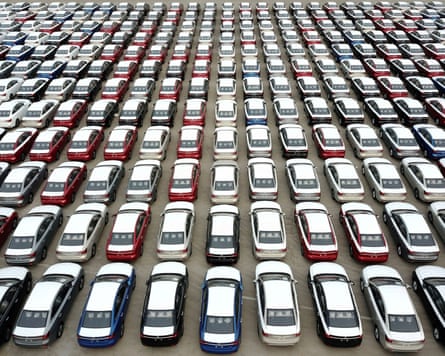
Since Russia invaded Ukraine in early 2022, more than 700,000 vehicles from all such foreign brands have been sold in Russia. The carmakers have said they have told Chinese dealers not to export to Russia and are attempting to stop unauthorised exports.
Fears that the global oil price will rocket should Russia, which supplied about 10% of the oil market before the invasion, were to be completely blocked have also hampered efforts to cap what Russia receives in payment.
The conflict in Iran only makes matters worse. Brent crude was $60 in January and sits at about $90 this weekend.
Before the missile strikes on Tehran, the Nobel prize-winning economist Simon Johnson was among a group to argue that these fears are misplaced and there was a method that officials in Brussels and Washington could adopt without sending oil prices spiralling.
Trump’s free pass to India shows these arguments are unlikely to get a hearing, at least in the short term.
Figures show Trump is in trouble domestically after a rise in unemployment on Friday that critics will marry with persistently high inflation. The White House cannot afford to let petrol prices soar when the cost of living crisis is the No 1 concern of most households.
It means Europe needs to take a firmer hand, sanctioning car dealers and anyone else that tries to do business with Russia. Defeating Putin cannot be allowed to fall down the agenda.