3 months ago
64
3 months ago
64
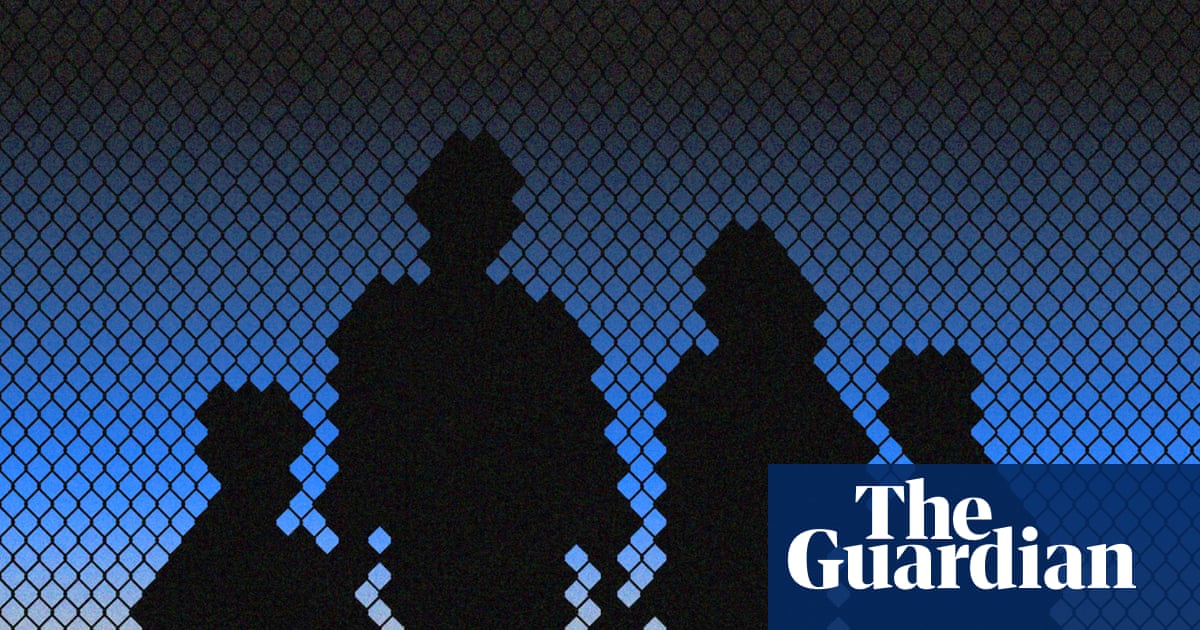
The $2bn (£1.5bn) of aid the US pledged this week may have been hailed as “bold and ambitious” by the UN but could be the “nail in the coffin” in changing to a shrunken, less flexible aid system dominated by Washington’s political priorities, aid experts fear.
After a year of deep cuts in aid budgets by the US and European countries, the announcement of new money for the humanitarian system is a source of some relief, but experts are deeply concerned about demands that the US has imposed on how the money should be managed and where it can go.
When the US state department announced the pledge on Tuesday, it said the UN must “adapt, shrink or die” by implementing changes and eliminating waste, and demanded that the money be funnelled through a pooled fund under the UN’s Office for the Coordination of Humanitarian Affairs (Ocha) rather than to individual agencies.
It also stipulated that the money be used for 17 priority countries chosen by the US, excluding some undergoing profound humanitarian crises such as Afghanistan and Yemen.
Themrise Khan, an independent researcher on aid systems, said: “It’s a despicable way of looking at humanitarianism and humanitarian aid.”
She criticised the way the UN had praised Donald Trump and the pledge as “generous” despite the many conditions placed upon it.
“It also points to the fact that the UN system itself is now so subservient to the American system – that it is literally bowing down to just one power without actually being more objective in how it views humanitarianism and humanitarian aid,” Khan said. “For me, that is the nail in the coffin.”
The 17 priority countries include some of the world’s most desperate, where the US has political interests, including Sudan, Haiti and the Democratic Republic of the Congo, as well as some Latin American countries.
Ronny Patz, an independent analyst specialising in UN finances, said: “The fact that they are announcing a selected list of countries in advance shows they have very clear political priorities for this money.”
He said he was concerned that Washington’s demands on where the money could be spent “solidifies a massively shrunk UN humanitarian system”.
“If there is a new humanitarian crisis breaking out in some region of the world next year that they haven’t prioritised funding for, it’s not clear that they are willing to let the UN respond with US money,” Patz said.
There are also concerns that the amount of money will not be enough. Thomas Byrnes, chief executive of MarketImpact, a consultancy for the humanitarian sector, has been tracking aid cuts throughout the past year and said the $2bn was significantly less than the $3.38bn in funds given by the US to the UN in 2025, all of which was provided under the previous Biden administration.
“This is a carefully staged political announcement that obscures more than it reveals,” said Byrnes.
He said the contribution was better than nothing but that it would have a limited impact in the context of other US decisions, including cutting $5bn in foreign assistance already approved by Congress as “woke, weaponised and wasteful spending” and a proposal to end support for peacekeeping missions – for which it already owes the United Nations $1.5bn.
Byrnes suggested that channelling the money through Ocha may be less about partnership and more an attempt to centralise control and have one UN body on which to make demands about how aid should be distributed.
Patz shared that concern and said he was worried about whether the money would even materialise if the UN failed to meet the expectations set out by the US secretary of state, Marco Rubio, to “cut bloat, remove duplication”.
“I would be cautious,” he said. “This is $2bn promised, but not $2bn given.”