3 months ago
81
3 months ago
81
I will never forget the moment I first saw a mountain gorilla. It was early on Mount Muhabura in Uganda, and I had spent the morning stumbling up the slopes of the inactive volcano in the Virunga range, which also spans Rwanda and the Democratic Republic of the Congo. Just when I thought my lungs could not take it any more, I noticed the silhouette of a creature picking leaves off a branch in a forest clearing. It was not alone. Nine mountain gorillas – all members of the Nyakagezi family – were having their breakfast around me.
I was with Ugandan park rangers and veterinarians from the NGO Gorilla Doctors, who have helped oversee one of the most remarkable turnarounds in the fortunes of an endangered species in the past century – and I was excited to learn more about how they did it.
First, though, this week’s most important reads.
Essential reads
-
As Iran war exposes global dependence on fossil fuels, the biggest emitters are reaping the rewards
-
‘A surrender to special interests’: alarm as Utah shields fossil-fuel companies
In focus
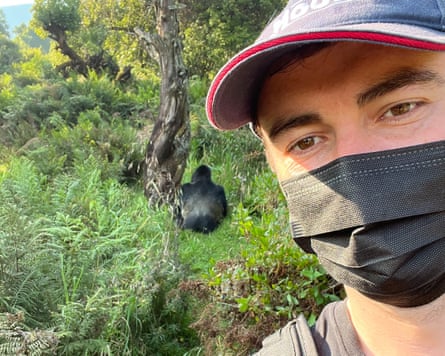
In the 1970s and 80s, barely 250 mountain gorillas were left in the world, and many conservationists predicted their extinction. Now, there are more than a thousand – and the numbers continue to grow.
Since I returned from my reporting trip, the news for mountain gorillas keeps getting better. This year, rangers on the DRC side of the Virunga range have spotted two pairs of mountain gorilla twins. Two! The birth of the infant male and female was a remarkable event, park authorities said. Twins are incredibly rare in mountain gorillas, accounting for less than 1% of births. Two sets of twins in three months is even rarer.
Jacques Katutu, the head of gorilla monitoring at Virunga, said: “Two instances of twin births within three months are extraordinary events and provide another vital indicator that dedicated conservation efforts, which have continued despite the current instability in eastern DRC, support the growth of the endangered mountain gorilla population within Virunga national park.”
Rangers in the DRC suspect that the births might be a sign that mountain gorilla families in the range are in particularly good health, and able to withstand the extra demands that come with twins. Infant mountain gorillas have high mortality rates, often falling victim to infanticide, physical trauma and illness. But in the most recent announcement about the second pair of twins, Virunga national park said the first pair born in January were alive and thriving. Park authorities said they had seen other members of the Bageni gorilla troop help the mother, Mafuko, with her infant male twins.
There is a lot to feel gloomy about in the world at the moment, including the environment, but the gorilla births are a reminder that when humanity wants to, it can help nature achieve amazing things.
The twin births happened in the most dangerous place on the planet to be a park ranger. More than 220 people have been killed protecting wildlife in the DRC national park in the past 20 years. Today, park authorities manage the ecosystem while rebel groups such as M23 and other militias operate with impunity in the area.
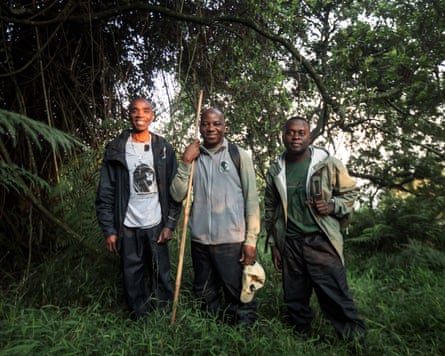
Along with the rangers and park authorities, a special mention in this success story must go to the Gorilla Doctors. One study attributes half of the mountain gorillas’ population increase to the vets, who intervene when the animals are suffering with injuries or disease in the two isolated areas of forest where they hang on: the Virunga range and Bwindi Impenetrable national park in Uganda.
The vets hike through the forest, sometimes for hours each day, to ensure these amazing creatures are in good health. They know each gorilla by name and have watched them grow up to form their own family groups.
Dr Benard Ssebide, one of the Gorilla Doctors I was with on Mount Muhabura, pointed out each animal, explaining their backstory as they munched through thistles, leaves and wild blackberries.
After an hour with the gorilla family, it was time for me to leave. I did so with my heart full of hope for these incredible animals. And the arrival of two sets of twins in the same mountain range has only added to that.
Read more: