3 months ago
68
3 months ago
68
Last week, Thomas Frank was sacked as manager of Tottenham and Sean Dyche was sacked as manager of Nottingham Forest. Both decisions were entirely explicable in their own terms. Frank had won only two of his previous 17 league games and Dyche only two of his previous 10. Both saw the improvement of West Ham under Nuno Espírito Santo and felt the drag of potential relegation. When fear sets in and something has to change, football tends to sacrifice the manager.
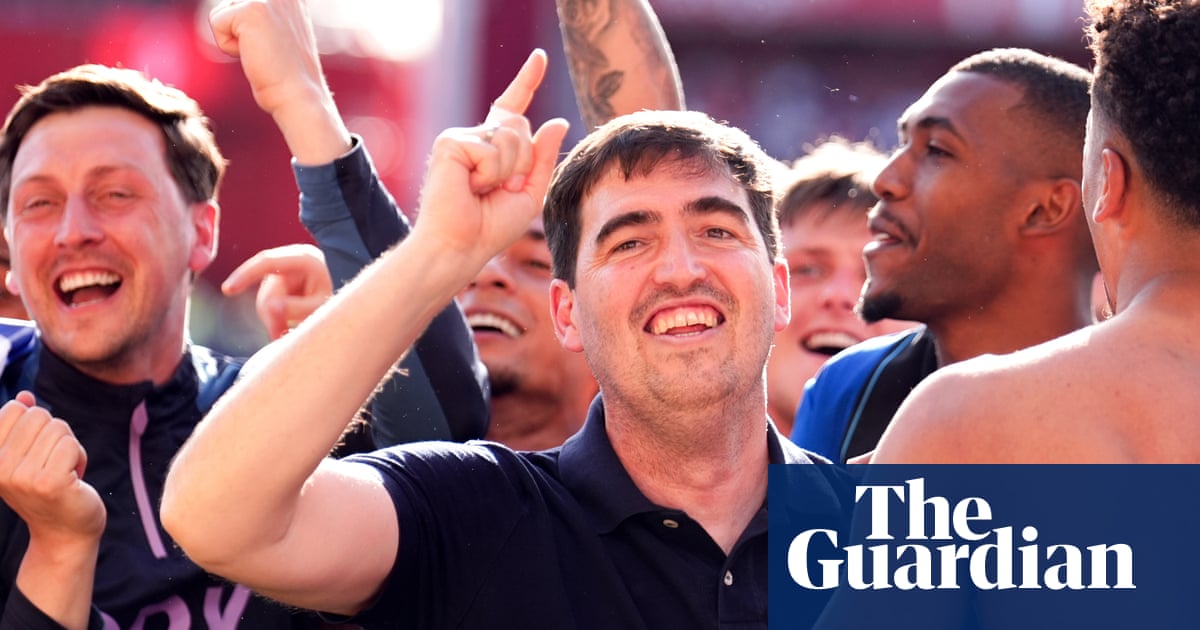
Excluding caretakers and interims, their departures take the number of Premier League managers to leave their jobs this season to eight, with Oliver Glasner to come at the end of the season, when Marco Silva and Andoni Iraola are also out of contract. Last season there were 10 departures, in 2023-24 nine, in 2022-23 an absurd 18. To give a little context, in the first season of the Premier League, 1992-93, there were only four changes (five if you include Dave Webb at Chelsea, who was effectively an interim, although he did not officially have that title). The average life span of a Premier League manager has dropped from about four seasons to about a season and a half.
Volatility is just part of the game. English football used to laugh at the chaotic world of Italy, but has adopted the idea of the “ferryman” who will pilot a club to the end of the season; pretty much every article describing Igor Tudor, who will lead Tottenham through to the summer, dutifully explained that he is what Italians term a “un traghettatore”.
In part, it’s a general condition – and the average reign of a Premier League manager would be shorter were it not for Pep Guardiola and his decade at Manchester City – but Spurs and Forest, perhaps, represent particular cases. Tottenham have started to look unmanageable, having cycled through six permanent managers (and four interims or caretakers) since moving into their new stadium in 2019, as though the elevated environment has created an expectation with which the squad-building cannot keep up. Forest, meanwhile, now on their fourth manager of the season, are a product of their owner, the combustible Evangelos Marinakis.
But there is a more general trend. The role of the manager has undergone a curious evolution. When league football first began at the end of the 19th century, the team would usually be selected by the board of directors, possibly in conjunction with the captain. The secretary-manager, as he used to be styled, was an administrator, somebody who booked the trains and hotels and sorted out the contracts. Only in very rare cases, such as Tom Watson, who won three league titles at Sunderland and two at Liverpool, would he actually run the team. As Barney Ronay argues in his book The Manager, although figures such as Herbert Chapman at Huddersfield and Arsenal took an interest in tactics and team-building, one of the main attractions of the manager for a club’s directors was that he could be used as a scapegoat. When results were going awry, it was useful to have a beleaguered figure on the touchline to absorb criticism.
After the second world war, though, managers became much bigger personalities. The likes of Matt Busby, Bill Shankly, Don Revie and Brian Clough ran their clubs in their own image; they became the most important person at their club. That characterisation continues to an extent with the likes of Guardiola and Mikel Arteta, but the key figure at the modern club is once again the owner. It may seem paradoxical when football has become so stratified that managers are changed so often – how much difference can he really make? – but he is once again expendable.
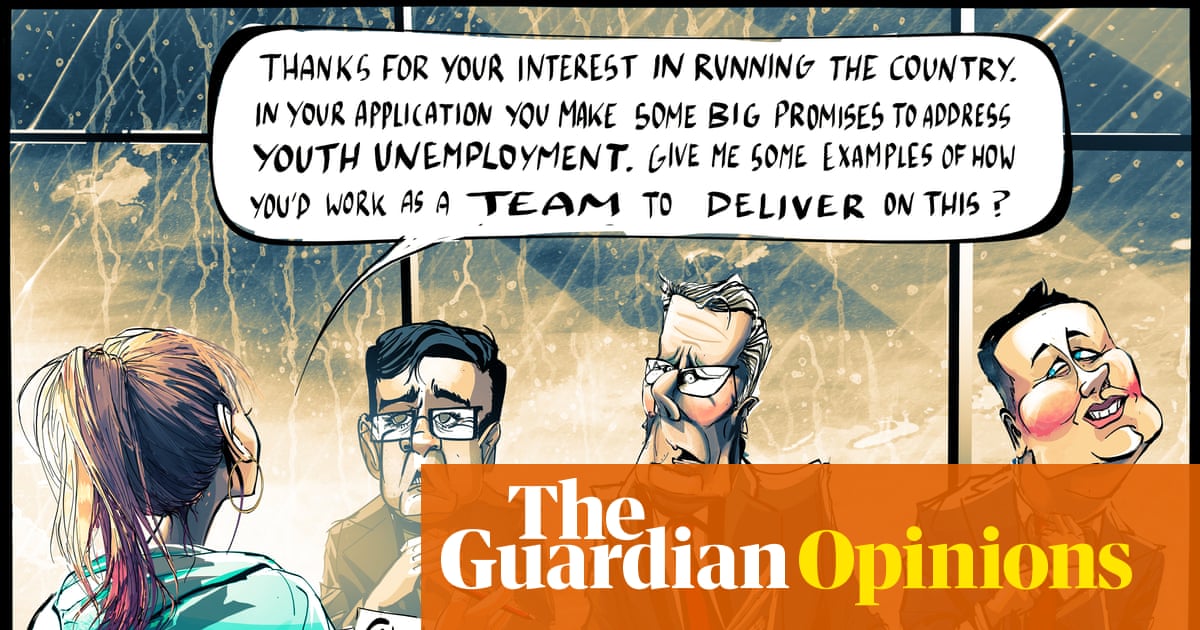
And this is an age in which leaders do not, generally, tend to last long. The UK has had five prime ministers in seven years. In Australia, the Liberals have had five leaders in eight years. Turnover among chief executives in the world’s largest listed companies reached new highs in 2025, after a record in 2024, 21% above an eight-year average. In part, as an article in the Financial Times argued, that’s a result of global turmoil, from conflict in the Middle East and Europe to Donald Trump’s tumultuous style of government. But it’s also about impatience from activist shareholders, with a 40% increase in US CEOs toppled after their campaigns.
Voters, shareholders and fans have never had less patience. That may in itself be a reaction to a rapidly changing world as new challenges demand new leaders. But it may also be that in a social media age in which every gripe is highlighted and complaints swell, in which algorithms promote discontent and performative fury is good business, long-termism is impossible. Maybe we’re all Marinakises now.
-
This is an extract from Soccer with Jonathan Wilson, a weekly look from the Guardian US at the game in Europe and beyond. Subscribe for free here. Have a question for Jonathan? Email [email protected], and he’ll answer the best in a future edition.