3 months ago
71
3 months ago
71
The Albanese government has announced a major overhaul of the defence department, aimed at tackling budget and timeline blowouts, on the same day it confirmed Australia was tracking a Chinese navy flotilla in the Philippine Sea.
In the biggest changes to the defence bureaucracy in Australia since the mid-1970s, Labor will merge three agencies - the capability acquisition and sustainment group, the guided weapons and explosive ordinance group and the naval shipbuilding and sustainment group.
It will establish a new independent delivery agency to manage billions of dollars of complex defence and military projects, merging organisations responsible for overseeing nearly 40% of the department’s current functions.
The defence minister, Richard Marles, and defence industry minister, Pat Conroy, announced the changes to streamline defence procurement and reduce project budget and timeline blowouts at Parliament House on Monday, months after Marles said “everything is on the table” for a major review.
In a rare move, Marles also confirmed Australia is tracking a Chinese navy flotilla in the Philippines Sea, amid concerns it may be heading towards Australian waters.
The Nine newspapers reported late last week defence had been tracking the trajectory of the latest navy group, which has the capability to reach Australia before the end of the year.
The development comes months after a Chinese naval task group unexpectedly circumnavigated Australia’s coastline and raised concerns at the highest levels in Canberra.
Marles said it was too early to tell if the latest flotilla was headed towards Australia. Officials will continue to track its progress.
Defence monitors all air and sea traffic around Australian territory, including in the Pacific, the Indian Ocean and in Asia.
The new organisation, to be known as the Defence Delivery Agency, will be operational from 1 July, 2026, led by a new national armaments director. By July 2027, it will be a standalone agency, independent of the defence department.
“This is one of the biggest changes to defence that we have seen. It will greatly change how defence operates,” Marles said.
“It will greatly improve the quality of the defence spend, and it will make sure that as we spend more money in the defence budget, we are doing so in a way which sees programs delivered on time and on budget.”
No major job cuts are expected from the changes, set to be directed by a temporary taskforce due to begin operations imminently.
Labor believes defence needs more skills to run major projects, with about 30 currently underway and running a combined 97 years behind schedule.
The government strategic review of defence found current procurement systems were not fit for purpose, with fragmented accountabilities and overly bureaucratic processes.
Under the new model, the national security committee of cabinet will sign off on proposed defence acquisitions, based on advice from defence and the new agency. The new agency will have control as project managers after a decision is made.
Separately, a new Aukus group has been created within the Department of Prime Minister and Cabinet and will oversee the trilateral project. It is led by deputy secretary Kendra Morony.
Officials from the Trump administration have used a number of public events to pressure Australia to spend more on defence, increasing budget commitments from the current 2% to as much as 3.5%.
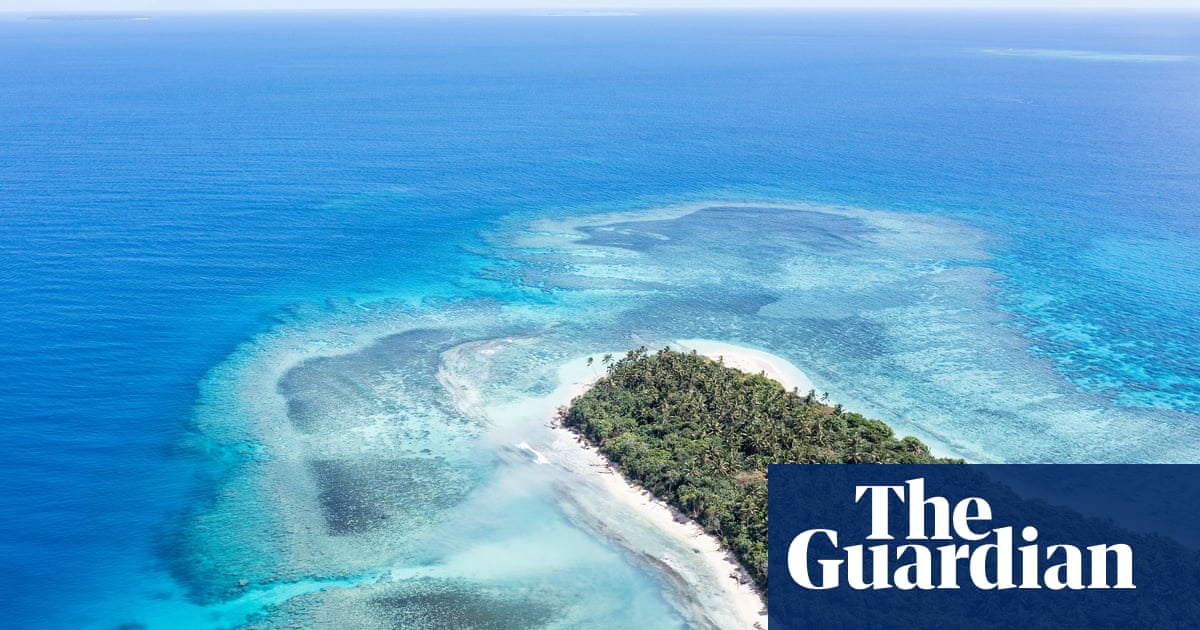
Last week Labor flagged selling Brisbane’s Victoria Barracks and Spectacle Island on Sydney Harbour, part of planned reductions in the $34bn defence property portfolio.
Housing and other developments could take place on land sold by defence, with the proceeds reinvested within the department.
In February, a Chinese cruiser, frigate and supply ship made an unannounced journey towards Australia, including conducting live-fire drills in the Tasman Sea. The exercise forced commercial aircraft to change their flight routes due to serious safety concerns.