2 months ago
56
2 months ago
56
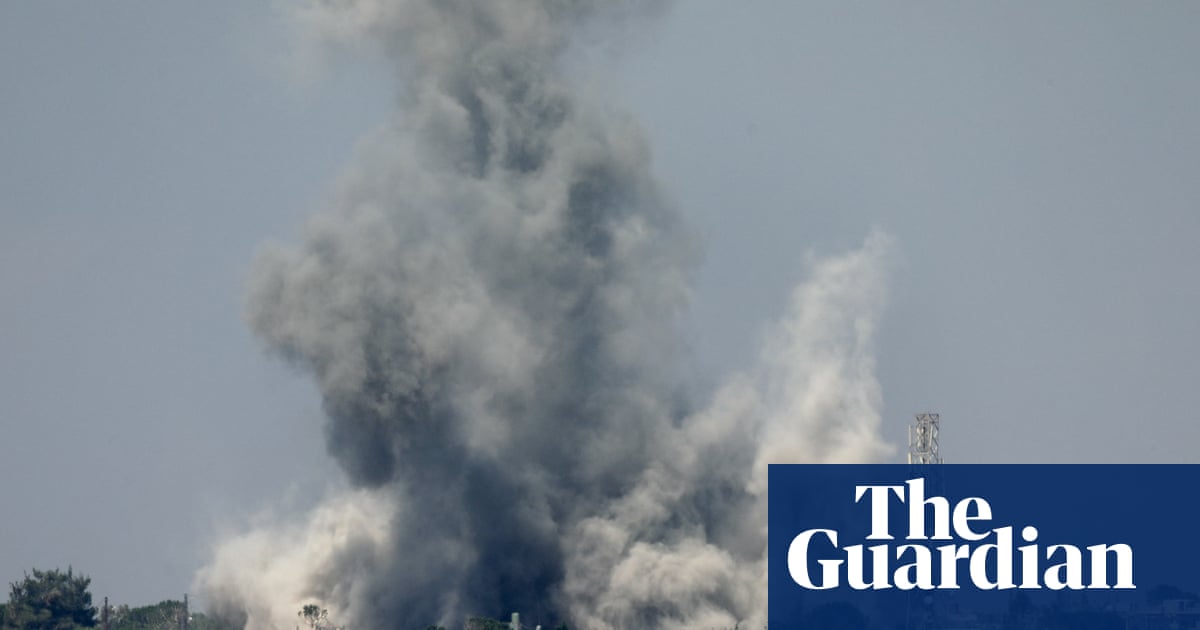
Fear, defiance, and quiet celebration intermingled in Tehran with everyday chores, locals said, as Iran’s capital continued to be rocked by American and Israeli airstrikes.
Residents said that many had moved to the countryside or were trying to do so, believing that it was safer away from military targets. In Tehran, military and police installations were located in residential areas. There were rumours that security forces were moving into schools and mosques.
Reza, a carpenter who did not want to give his full name, said over the phone that vital public services like hospitals were open, but schools were closed. More security forces and their vehicles were visible on the streets, he said.
“The situation in Tehran is very tense, people are scared, and everyone is trying to stay home,” said Reza. “People are gripped by huge fear about more airstrikes.”
Amid an internet blackout, people were struggling to figure out how much of Iranian media reports about airstrikes at home and the country’s successes in hitting Israel and other nations was true. Some said that they were surprised how strong Iran’s military appeared to be, targeting many nations simultaneously and managing to keep up the barrage.
The streets of Tehran were quiet, but grocery shops and even restaurants were open. When there were airstrikes, people rushed to the roofs of their buildings to see what was hit.
The Guardian spoke to residents among the few in Tehran who had internet access over encrypted services, and reached others on their landlines.
AJ, a man in his thirties who wanted his initials used to protect his identity, and one of the few with internet access, said that on Monday, from the roof of his Tehran apartment block, he saw a missile whizz overhead and land in a district where a close friend lives. He said that the attacks came in frightening waves, but people were not as terrified as they had been in last year’s 12-day attack by Israel and the US, as it seemed that civilian targets were being hit less this time – although he said that the bombing of a girls’ school on the first day of the war was deplorable.
“We are worried about the future, but the situation is out of our hands,” said AJ, adding that he had continued with his routine, including jogging on the streets every morning and even going on Tuesday to the swimming pool and sauna. “There is some hope that maybe things will get better from here.”
He said all Iranians had received a text message at the start of the war that anyone coming out to protest would be counted as Israeli agents, so no one was even thinking of demonstrating. He guessed that most were happy about the killing of the Iranian supreme leader, Ayatollah Ali Khamenei, at the start of the war. Even if the regime survives, his successor would not be able to wield as much influence, he said.
Thousands of anti-government protesters were killed by security forces earlier this year, according to human rights groups.
AJ said that in some ways, the quiet periods between the bombardments were scarier, as it was impossible to know what would happen next.
One elderly woman said she was secular and did not support the theocratic state, but she did not want to see the country yield to Israel.
“I don’t know if I’m going to live, but I won’t leave Iran,” said the woman. “Khamenei is a martyr. He went standing.”
Another woman in Tehran said that she was shocked when the bombing began, not knowing at first what was happening, as local media had led them to believe that the talks with the US were going well and she had anticipated an agreement.
She said that news of the death of Khamenei wasn’t initially believed, but after it was confirmed, she saw from her balcony brief public celebrations on the street, with some women removing their hijabs. But police appeared quickly and ended it. Mourners then came out, who were also ordered by police to leave, to go to mosques and shrines or mourn at home.
Later, she was told that her son in Germany had put up a social media video of himself celebrating the death of the Iranian leader. When she finally managed to speak to him, briefly, on Monday, she begged him to take it down – worried that anger would be taken out on the family by the Iranian authorities or that agents would target him there.
She asked her son: “Is it true that the Americans are going to bring the Shah back in?”, referring to the exiled son of Iran’s last monarch. He responded that he had no idea.