1 month ago
54
1 month ago
54
Cutting debt servicing costs for the world’s poorest countries could free up $900bn (£660bn) a year for development, a new report to the UN secretary general has claimed.
Prepared by advocacy group Development Finance International (DFI) with the support of the Norwegian government and launched in Oslo today, the analysis warned that the world is facing “the worst ever debt-provoked development crisis”.
The G77 developing countries spend a total of $8tn a year servicing their debts, the report showed – equating to an average of 35% of government spending. Six billion people are living in countries where spending on debt service is higher than the annual health budget.
The UN secretary general, António Guterres, has previously called for global action on debt relief to free up resources to spend on meeting the sustainable development goals (SDGs).
Specifically, he suggested debt restructuring for the hardest-hit countries; and halving borrowing costs for countries that need to borrow from financial markets.
In the new report, based on data from the International Monetary Fund (IMF), DFI modelled, country-by-country, the benefits of implementing such a plan.
In total, it found that halving borrowing costs for the 33 countries paying the highest interest rates, plus reducing repayments to 10% of government revenue for others – including those regularly hit by climate crises – could free up as much as $3tn a year to be spent on development.
What it suggested may be a more realistic plan, which excludes wealthier developing countries such as China, could still free up $917bn a year – allowing countries to more than double their social spending.
On average, the savings would be worth 9% of annual GDP for beneficiary countries. “If the international community can deliver comprehensive debt relief to countries which need it, and reduce the debt service burdens of many more, it will provide the fiscal space needed to fund the current SDGs,” the report said, adding, “the question is whether the world will find the political will to achieve these objectives, and relieve the suffering of billions of the world’s citizens.”
The UK is chairing the G20 group of nations next year, and development campaigners are calling on Labour to seize the opportunity to try to make progress on reducing debt.
The report showed that the burden on developing countries is now greater than in the run-up to the Make Poverty History campaign in 2005, when Tony Blair’s government used its leadership of the G8 summit in Gleneagles to secure pledges of debt relief.
Today’s situation is more complex, with less direct bilateral lending from governments, and more private sector lending.
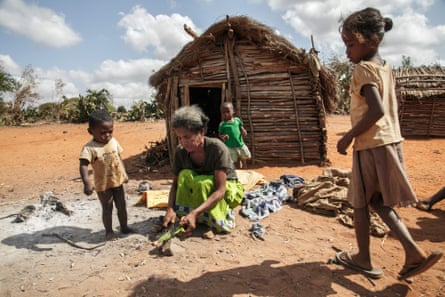
The IMF warned recently that the growing significance of private sector investors such as hedge funds as lenders puts developing countries at greater risk of higher interest rates and currency shocks – including as a result of the ongoing conflict in the Middle East.
These inflows of finance, “tend to be more volatile than bank flows and are increasingly sensitive to global risk conditions”, the IMF warned.
Higher borrowing costs as a result of the Iran war, which has restricted oil supplies and pushed up inflation, are expected to increase the burden on developing countries in the coming months.
Max Lawson, head of inequality policy at Oxfam, said: “Why should paying debts to rich bankers in London or New York be more important than feeding hungry people or getting kids in school? Global south governments were already on their knees, and are now facing a huge new food crisis caused by the [Iran] war. They need massive debt relief and they need it now.”