3 months ago
60
3 months ago
60
What do you do when you come to a hard stop? When work has got too much, even friendships feel like a drain and you feel like you simply can’t keep going with your life as it currently is?
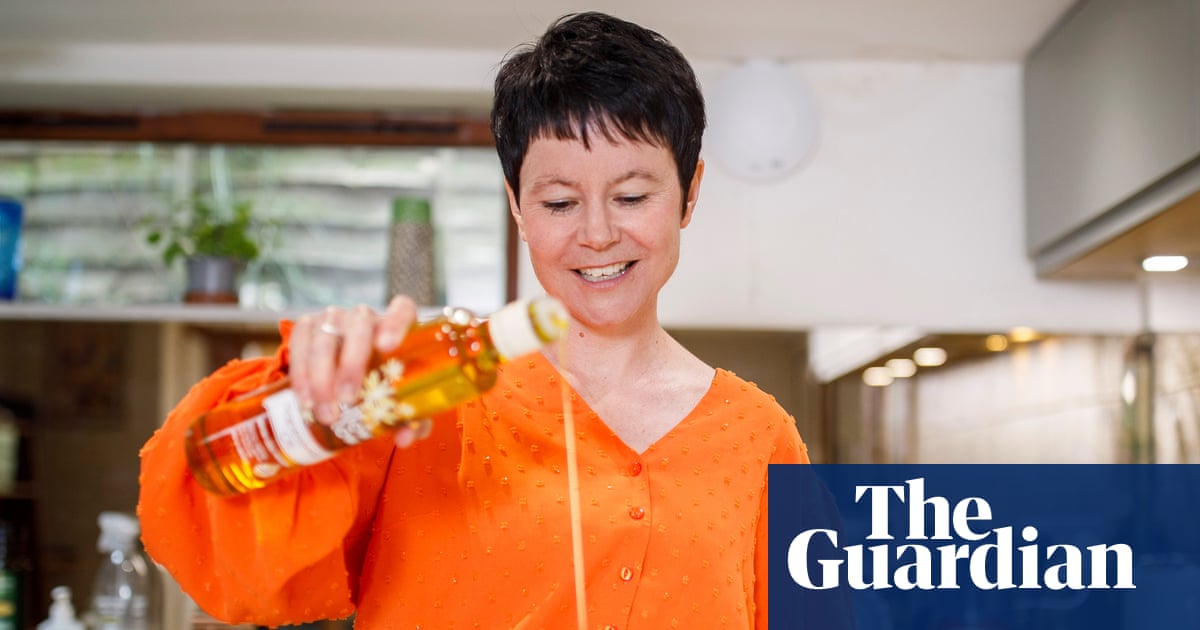
For Emma Gannon, the answer was extreme but non-negotiable: an entire year of nothing – or close to it. Gannon, the London-based author of fiction, nonfiction and the Hyphen newsletter, burned out with a bang in late 2022. While on a spa weekend with a friend, she had a panic attack, her first ever.
Gannon notes the irony of having “a mental breakdown at a luxury hotel”, but her fight-or-flight, apocalyptic feeling seemed to warrant extreme measures. After being diagnosed with anxiety and burnout, she pared her life and commitments back to the bare minimum and spent the next 12 months recuperating.
With hindsight, Gannon says, her burnout was triggered by a pattern of people-pleasing, leading her off-track. In her new book, A Year of Nothing, Gannon reflects on the lessons of that transformative “fallow year”, forcing her to learn how to rest, build resilience and reconnect with what matters.
Here, she shares her tips for coming back to life after burnout.
When your body says stop, listen
When Gannon’s burnout hit, she was enjoying success in her career, had strong relationships and had no sense of her reserves running low. “It really caught me by surprise,” she says.
But looking back, there were signs that she’d hit her limits, she says. On holiday that summer, she found herself glued to her phone, doomscrolling and unable to relax or enjoy herself.
Back at home, she felt reluctant to see her best friends, even on New Year’s Eve, and was made disproportionately angry by the fireworks. Her eyes ached, her body felt like a “big, heavy lump” and her hairline showed signs of thinning.
After that first panic attack at the spa, Gannon began experiencing attacks regularly, along with “completely out-of-body” feelings of dissociation, forcing her to confront her exhaustion.
“We all have a performative identity that we put on every morning – that side of me had been running the show,” she says. “This very small voice inside me was saying: ‘This is not the life you want, and we’re going to shut this down.’”
Pare back to the necessities
After being diagnosed, Gannon cancelled all but her essential commitments, even quitting the successful podcast she’d hosted for six years and pulling out of a childhood friend’s wedding.
Being able to step back was a privilege, reflecting her financial cushion and control over her career, she says – but the experience also reshaped her attitude toward money and what she considered necessary spending. One day, Gannon remembers, all she did was walk to the supermarket, buy a bunch of daffodils for £1 and walk home. “When you’re going through this, make everything very small,” she says. “There will be a time when you can be big again.”
If you can’t afford to take time off, reducing expenses and building a savings buffer can expand your options, she says – for example, in the event that you should need to go part-time or search for another job.
“What can you do in life to lower your overheads? Even now, I don’t want to spend money on clothes, because I’d rather save so I can do nothing a bit longer.”
Quit drinking – if only for a bit
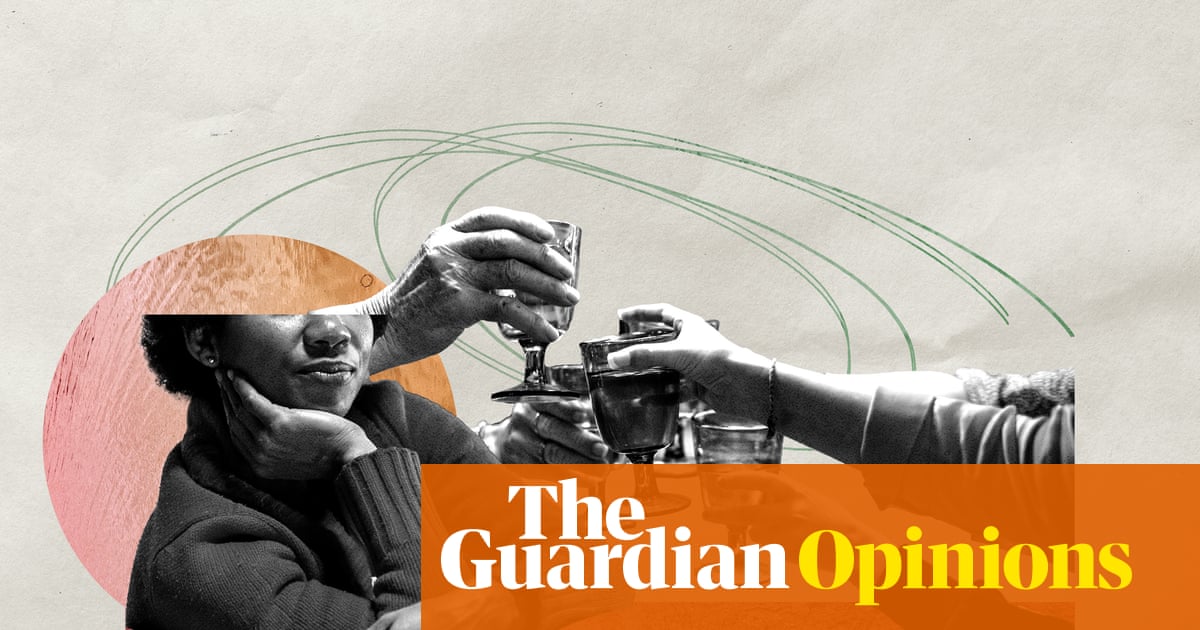
Gannon stopped drinking alcohol after noticing how she used it to numb herself. She found drinking cast a “chemical blanket” over her unhappiness and the parts of her life that weren’t working, as well as the particular pleasures of socialising and special occasions.
“There’s nothing wrong with a glass of wine, but if you feel like you’re blocking things out, I think not drinking for a bit is a good place to start,” she says. As well as avoiding alcohol’s depressive effect, “it comes down to learning to take care of yourself”, Gannon says.
Nourishment was a cornerstone of her recovery, she goes on: “Would you invite your friend round and just give them a packet of Pringles for dinner? Probably not, because you love them ... You’d make them a really nice soup, and buy the best bread – so do that for yourself.”
Make a playlist of sad songs
Having been in survival mode for so long, Gannon found it took some time to connect with her emotions. What helped crack her open was music. Listening to Max Richter on one of her many long aimless walks allowed her to “feel all my feelings, for the first time in ages”, Gannon says.
She had previously struggled to play the song all the way through – a sign of how shut down she had become, she suggests.
Now Gannon recommends making a playlist of melancholy, reflective or meaningful songs likely to help coax out those suppressed emotions: “You’re creating space to be nostalgic, and get back in touch with the side of you that you’ve essentially lost track of.”
If you find it difficult to cry, a playlist “puts brackets around it”, she adds: “I think there’s a courage to it: ‘I’m not going to block anything out for a while.’”
Just ‘be’ with a friend
One of the unexpected upsides of Gannon’s burnout was the clarity it gave her on her friendships, she says. Without the social lubricant of alcohol, some connections faded away.
The people Gannon treasured most during that time were those she felt comfortable doing nothing with. “I only hung out with people that could just accept where I was at,” she says – sweatpants, unwashed hair and all.
Once, one of her best friends came over and watched both Sister Act films in near-silence, before going home. “And it was amazing,” Gannon recalls.
What mattered was the non-judgmental presence and ambient support, she says: “It’s the opposite of trying to fix someone … I came out of the burnout being really certain who my friends were.”
Reconnect with past passions – and selves
During her “year of nothing”, Gannon spent time at her family home and revisited her teenage haunts. It helped her to reconnect with her youthful hopes, dreams and hobbies that had fallen by the wayside.
Now Gannon tries to accommodate her younger self by keeping her favourite books from her childhood on her office shelves and displaying personal trinkets by her bed. “I like to open my eyes and be reminded of what I want to do with my life,” she says.
Recently, Gannon went by herself to see Incubus, a somewhat “rogue” band she’d loved as a teenager, and was struck by the emotion coursing through the crowd. “You remember that that 15-year-old is still there, and you can connect with her whenever you want, even though your tastes and life changes,” she says.
Find a new view
Even when “being in nature” felt too broad or big of an ask, Gannon found that she benefited from a change of scenery. “Is there water near you, or a park? Is there a hill that you can climb, and stand on the top of for a bit?” she says.
“Getting some height” and the change of perspective in particular was refreshing, she says, tallying with findings on the impact of awe on mental and emotional wellbeing: “It does something to the brain and makes you think things are possible, if you feel hemmed in.”
Even the most dense cities have pockets of green that can provide respite, Gannon adds: “It’s almost like you forget.”
Explore movement and touch
Gannon freely admits to “being quite woo-woo”; she explored many alternative therapies during her recovery, including reflexology. Your mileage may vary, but yoga, other gentle exercise and even massage can help to give your mind a break, release your emotions and return you to your body.
Though Gannon “just cannot” get on with yoga, she says, she’s had many emotional moments during massages, unexpectedly breaking down in tears or having a sudden moment of clarity. That could be down to the kindness and care of the practitioner, the power of human touch, the placebo effect or simply the opportunity to pause.
Now that her burnout is behind her, Gannon says, she’s more resilient, better attuned to signs that her energy is depleting and faster to respond.
Keep on checking in
When life doesn’t allow for protection against burnout for good, becoming aware of those individual physical and psychological tells is half the battle, she says: “Every week or so, I do a little check-in: ‘How are you feeling? What’s going on?’ – kind of talking to myself like a friend – because you can lose track.”
A Year of Nothing by Emma Gannon is available from 22 January