3 months ago
90
3 months ago
90
Mona Lisa is the most famous portrait ever painted and millions of people flock to the Louvre to admire her enigmatic smile every year.
As well as being beautiful, Mona Lisa was, according to some experts, also seriously overweight. Now they are asking how that leaves our notions of artistic beauty in an era of weight-loss drugs such as Wegovy and Mounjaro, arguing that in future, “GLP-1 face” could become the subject of modern depictions of artistic beauty.
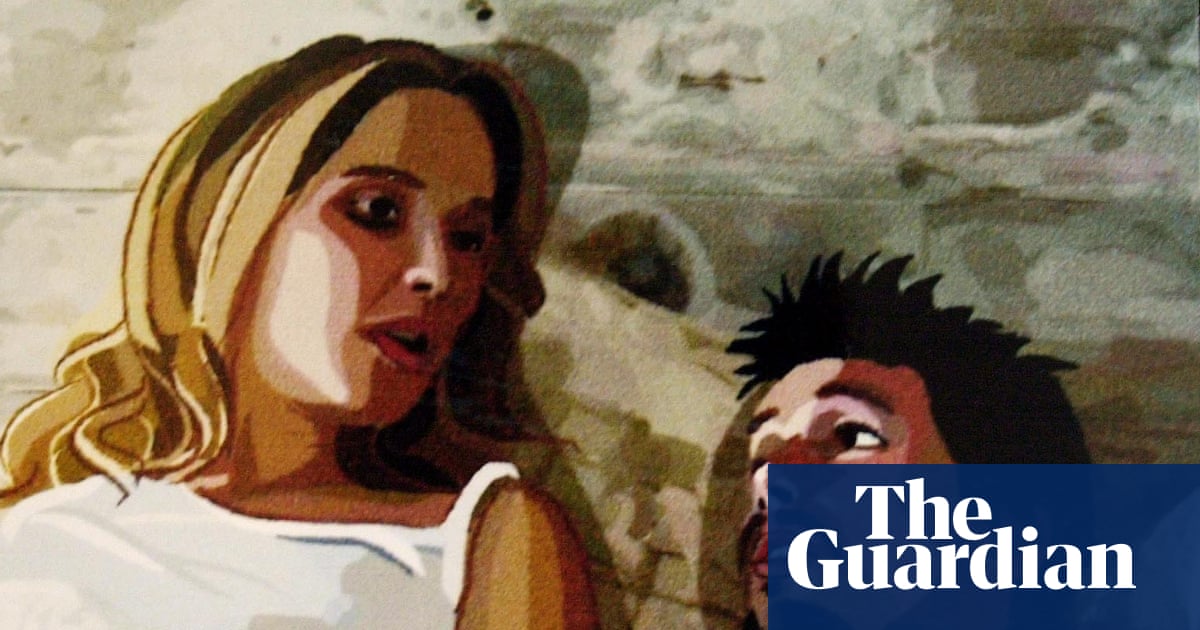
Contemporary art often portrays trends in aesthetics, body image and health – lots of painters and photographers have made art featuring cosmetic surgery, for example. But researchers believe the exponential growth in use of weight-loss jabs is changing our perception of beauty, with future artworks likely to depict thin people with gaunt faces who have lost weight rapidly while on GLP-1 medication.
Prof Rosalind Gill, fellow at the British Academy and professor of inequalities in media, culture and creative industries at Goldsmiths, said: “While GLP-1 face is often regarded negatively, humans have the capacity to perceive beauty in all kinds of faces and bodies, and features of this hollowed-out look are definitely becoming desirable – in a similar way to ‘heroin chic’ in the 1990s and, before that, the resignification of certain iconic images of people with Aids as beauty ideals.
“Add to this a voracious consumer culture with brands constantly in search of new looks to sell to us, and it is eminently possible that a variant of GLP-1 will become a new cultural ideal – also reflected in art.”
Her prediction follows research by Dr Michael Yafi, a paediatric endocrinologist at the University of Texas, Houston, presented at the European Congress on Obesity in Istanbul. He speculated that while some artists, notably the Brazilian painter Fernando Botero, continue to celebrate heavier figures, weight-loss drugs would influence how people are portrayed in artworks.
“I think that as more people use these drugs, GLP-1 face will be depicted in art,” he told the conference. “The face can develop an aged or tired look due to rapid fat loss in the cheeks, temples and under-eye areas. I am sure that if Picasso had been alive today, he would have painted it.”
Understanding that society’s definition of what makes a body beautiful has changed would help medics provide better care, Yafi added.
“If physicians see that obesity was for centuries viewed as a positive thing, it will help them be non-judgmental and more empathic,” he said. This should allow them to treat patients more holistically and ultimately successfully.
From plump cherubim and angels in Renaissance art, to many of Rubens’ and Renoir’s paintings, overweight and obese people were historically represented positively in art. Corpulence was seen as a sign of wealth, status and wellbeing.
“Strong men, leaders, royal families, religious people, high people in the society were portrayed with high BMI [body mass index],” Yafi said. “Beautiful women and models were also portrayed with high BMI.”
It wasn’t until the second half of the 20th century, when scientists discovered saturated fats, trans-fats and their association with metabolic and cardiovascular disorders, that body image as expressed in art began to change.
“This led to images of thin, often unrealistically thin, men and women being glorified and obesity being stigmatised,” Yafi said. “Suddenly, thin people became beautiful and the women who inspired artists for centuries were no longer considered attractive.
“Some scientists believe Leonardo da Vinci’s Mona Lisa was very unhealthy and that she had a problem with her BMI, cholesterol and severe hypothyroidism.”
“We don’t know because we cannot go back and make a diagnosis, we are just analysing her features,” Yafi added.
Art historian Bendor Grosvenor, cautioned against leaping to conclusions. He said: “Poor Mona Lisa, she’s always being diagnosed with something she almost certainly never had. If a doctor today diagnosed someone only on the basis of how their face looked, we wouldn’t take them seriously. Art is art, and a portrait – even one by Leonardo – is usually about so much more than likeness, let alone health. This is as likely for the art of the future as the art of the past.”