3 months ago
76
3 months ago
76
John Oliver took aim at police stings on his HBO show Last Week Tonight, claiming that they “might actually be doing more harm than good”.
The comedian started with a brief history of something that has become “a major part of law enforcement” over the last four decades in an attempt to cut down on crimes like drug dealing, tax fraud and prostitution.
But “when you start digging into them the details can become questionable at best”.
They took off in the 1970s with cops moved from “reacting to crime to trying to prevent it” largely influenced by supreme court rulings that restricted the use of coercion and led cops to use deception instead.
“The appeal of stings was obvious … catching people on tape makes for very easy prosecutions,” he said.
Legal restrictions were limited and there was a nearly limitless ability to deceive.
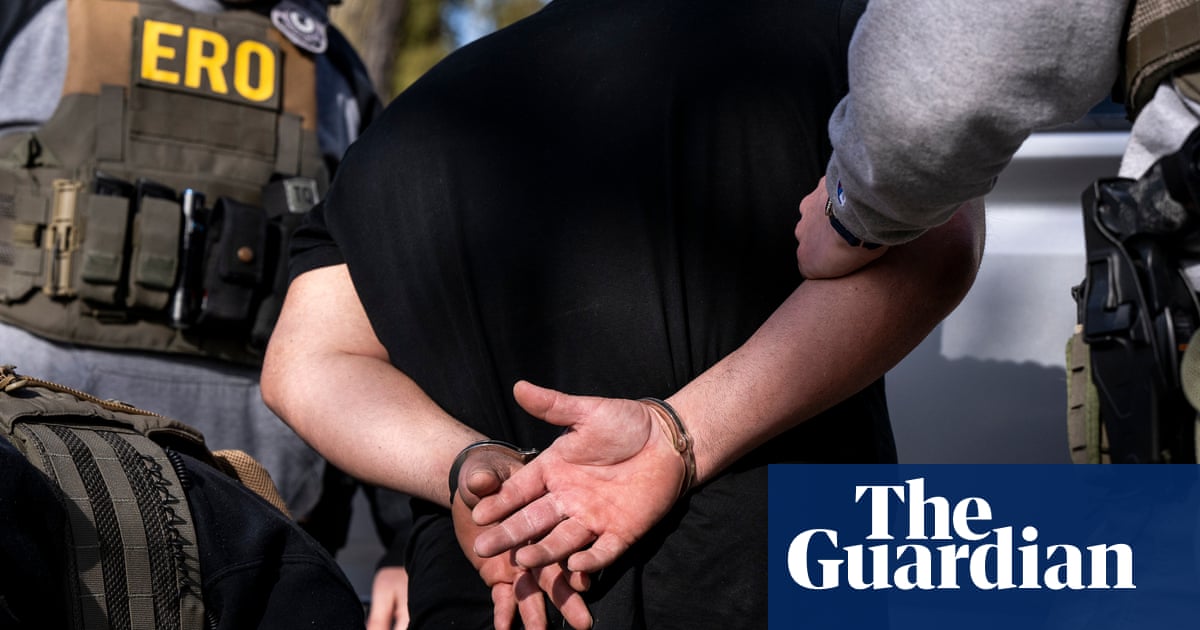
He used the example of predator stings that would often reach out to adult men on adult dating sites to create a crime that otherwise would not have existed. “While the crimes in these operations can be made up, the punishments can be very real,” he said.
He also spoke about stash house stings where undercover agents would recruit people to rob non-existent houses filled with drugs. Oliver said there was then not much room for leniency because of mandatory minimum sentencing laws.
While many examples might sound like entrapment, the “legal bar for proving entrapment is incredibly high” as it can be argued that someone is “doing something you’d be predisposed to doing anyway”.
Alleged criminals would often be lured with a financial reward and cops would target low-income communities and disproportionately target minorities as well as those with mental illnesses or disabilities.
He then spoke about confidential informants, “people they convince to go undercover on their behalf” which can come with a huge pressure to fabricate information.
“If you’re thinking pressuring untrained civilians into doing the job of undercover cops could end badly, you’d be right about that,” he said, bringing up examples of people who have been assaulted or murdered in the course of working for the police.
But the “limited nature of disclosure means that we don’t know the full extent of any of them”.
Oliver spoke about the many counter-terrorism stings that happened in the wake of 9/11 targeting Muslim communities, noting that while authorities achieved an overwhelming majority of convictions, most ultimately did not have terrorism connections.
“The long history of police stings has far too often left us with a bunch of fake crimes from manufactured criminals resulting in very real punishments,” he said.
Oliver called them “an easy way for police to rack up arrests and sell the illusion that they’re addressing these crimes” while “it’s hard not to conclude that stings might actually be doing more harm than good”.
He continued: “As it stands police seem utterly addicted to stings even though for what it’s worth, making up imaginary crimes and arresting people for them isn’t law enforcement, it is theatre.”