3 months ago
88
3 months ago
88
In the summer months, Lord Howe Island’s unique stag beetle, with wing cases that appear forged from iridescent green metal, fly around the ancient tree tops looking for a mate.
“That’s really something wonderful,” said Ian Hutton, a naturalist and nature guide on the World Heritage-listed island.
“I would have struggled to have seen any of them 10 years ago.”
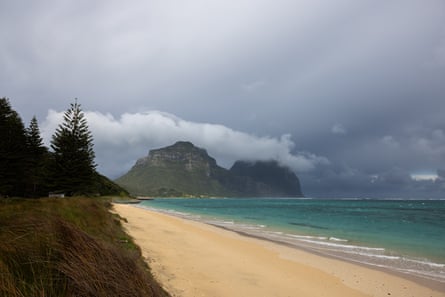
Lord Howe Island, which lies 600km off Australia’s east coast, was formed by the 7-million-year-old remains of a volcano. Its craggy and beautiful 15 sq km are crammed with a treasure trove of unique plants and animals. And, in recent years, a lot more bugs.
The rise in the island’s invertebrates – beetles, weevils, bush cockroaches and other bugs – has come after a campaign seven years ago to rid the island of about 300,000 invasive rats and mice.
Now a study in the journal Biological Invasions has found the island’s bugs are bouncing back since the 2019 eradication program.
“Across our sites we found a 60% increase in the total numbers of invertebrates,” said Maxim Adams, a researcher at the University of Sydney.
“I think that’s pretty extraordinary but it’s something we had a feeling for. Walking around Lord Howe now … all of us are blown away by what we’re seeing.”
Mice arrived on the island in the mid-19th century and then, in 1918, a supply ship grounded on a rock.
Stowaway rats jumped ship and ate their way through the island’s native flora and fauna – helping push five bird species, two plants and at least 13 species of invertebrates to extinction.
Before the 2019 program was rolled out, scientists had the foresight to measure the numbers and types of bugs on the island. That has allowed Adams and colleagues to measure the change.
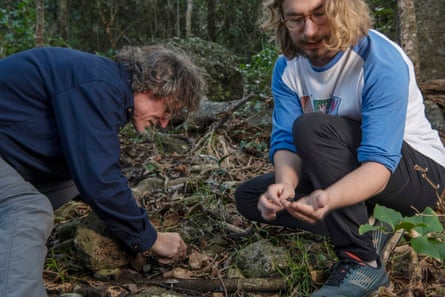
Using traps and also “cockroach hotels” – layers of cardboard that mimic the bark the crawlies find hard to resist – the university team and the NSW government collected more than 24,000 invertebrate specimens from 20 sites in and around the island’s subtropical forests.
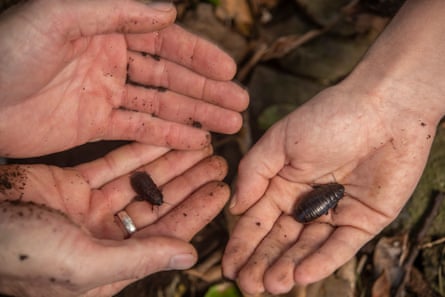
As a place to work, Adams said, it is remarkable.
“The place feels ancient. It’s at this confluence of tropical currents from Queensland and the cooler temperate New South Wales. It’s a weird, otherworldly place and it feels like Jurassic Park.”
Lord Howe has more than 1,600 different known invertebrate species and about half are known nowhere else on Earth. For a scientist, it’s a world of discovery.
“You turn over a rock and everything is different,” Adams said.
Because Lord Howe has no native mammals, the island’s food web is unusual. Bugs would often be eaten by small mammals but, now the invaders have gone, birds and reptiles are thriving.
“The rodents will have been eating anything they could get and really anything above 1cm they will eat pretty indiscriminately,” Adams said.
Prof Nathan Lo, from the university’s Molecular Ecology, Evolution and Phylogenomics laboratory, said: “Rodents didn’t just affect a few iconic species, they reshaped ecological relationships across the island.
“What we’re seeing now is evidence of an ecosystem beginning to reorganise itself after that pressure was removed.”
Adams thinks the study has recorded only the beginning of the bounce back of the island’s bugs.
“Seeing these changes after only five years is especially promising,” he said. But a long-term effect on ecological processes like predator numbers can take decades to manifest.
“Almost every part of the ecosystem is going to benefit. We expect to see more birds, more geckos, more skinks and improved plant and soil health.”
Numbers of the island’s unique ground-nesting woodhen are on the rise, said Hutton, as are most other birds.
“The forest understorey is re-growing – the rats and mice had been eating all the seeds.
“The understorey was gone but now we see hundreds of seedlings coming up. With more invertebrates, that’s all food for the geckos and birds.”
A couple of years ago, while on a camping trip on one of Lord Howe’s peaks, Hutton went out collecting bugs one night. Among the specimens he collected was a weevil species that, until then, was thought to have been extinct and hadn’t been seen for more than 100 years.
“It had survived and now it’s breeding again and being rediscovered,” he said.
“I go out with tourists on walks at night and we find these really striking beetles and snails. Wonderful.”