3 months ago
114
3 months ago
114
As I am nostalgic and of a certain age, I recently bought a VHS video recorder, just for the retrospective thrill of it; then I won a 32-inch CRT television at an auction in Shepton Mallet. Partly, this was to play a few old videos I had found in my loft, including one of me appearing in a 1990s youth TV show talking about sexism and Tomb Raider. (I was against the sexism, to be clear). But it was also because I wanted a new way of spending my money on fragile video-game nostalgia.
The rise of the games industry in the 1980s and 90s coincided with the explosion of the home-video business, and the two crossed paths in lots of interesting ways. There are the obvious treasures I want to get hold of: VHS copies of Street Fighter: The Movie and the 1993 Super Mario Bros. movie, naturally, as well as early games-inspired hits such as The Last Starfighter, The Wizard and WarGames. I rented most of these from my local video shop in the 80s – which, like many others, also sold computer games by the budget publisher Mastertronic, another interesting (at least to me) crossover between these two entertainment formats.
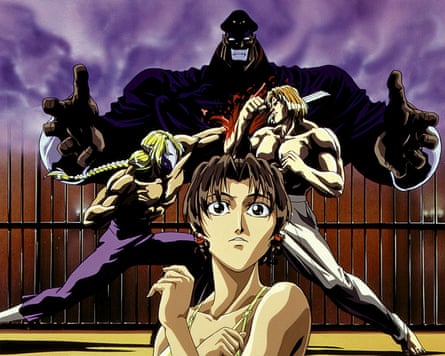
There are rarer videos I want to track down, too. This era saw a lot of tie-in cartoons, as TV channels began to understand the massive appeal of the medium. There are VHS tapes collecting episodes of the terrible Pac-Man and Pole Position cartoons from the early 1980s, and, from later in the decade, The Super Mario Bros. Super Show!, a TV series from the US that mixed animated and live-action elements.
And I’m bidding on a VHS tape of the incredibly bad Captain N: The Game Master, a cartoon about a boy who gets transported into a video game land via his television and has to battle for survival in well-known Nintendo game environments. There are even some pretty good video game cartoons on VHS, including the anime versions of Street Fighter and Tekken.

Before the internet, video cassettes were also valuable promotional tools for games publishers. Arcade game companies such as Konami and Irem would produce promo videotapes of their newest machines for distributors and arcade owners. In the 1990s, Capcom ran a fanclub in Japan and, along with a magazine and later a newsletter, sent out a series of videotapes to members that featured trailers and developer interviews. Many of these treasures can still be found on eBay and via Japanese auction sites. (I use the excellent Doorzo app for this).
And UK gaming mags often covermounted VHS tapes filled with demos, trailers, hints and tips. When I worked on the Dreamcast magazine DC-UK in 1999, our first issue came with a demo video, featuring clips of various launch titles and was an absolute nightmare to put together. I asked on BlueSky for people’s memories of similar demo tapes. Author Mike Diver mentioned Mean Machines magazine’s classic Sega Preview Tape featuring Sonic the Hedgehog 2 and, as he recalls, “the worst Greendog footage you ever did see”. Greendog: The Beached Surfer Dude! was an awful scrolling platformer, and I’d have forgotten all about it if it wasn’t for this darn tape. The footage is indeed bad – you can watch the whole thing here.
Gen Z teenagers, who are sick of being fed content via smartphones and subscription services, seem to be embracing physical media. Vinyl was the Trojan horse that opened the gates – now kids are buying old-school digital cameras and building DVD collections. The growing interest in VHS and even Betamax tapes is partly down to nostalgia over the old routines of renting, playing and kindly rewinding these arcane objects. But for video game fans, there’s another dimension: videotapes are chunky and come in big boxes with lovely art, just like old video game carts. The images they generate are like old games – glitchy and low-resolution – and have the patina of another era.

I know I will end up ordering a videotape mould remover from the wonderful fansite VHS is Life, but it’s worth the expense and effort to rescue some sadly infected treasures, like my copy of the first Pokemon movie, from 1998. They reveal an emerging medium making tentative connections with other screen cultures. And as the game industry has been terrible at archiving its own history, anyone who buys and looks after these fragile objects, is performing an act of vital preservation and curation.
You may find many of these video demos and cartoons on YouTube, but always, always, the primary artefact itself – its packaging, its smell, its quirks, its frailties – is part of the experience of understanding and appreciating history. That’s what I tell myself, anyway, each time I quietly increase my bid on a Japanese rental copy of the Super Mario Bros. movie from 1993 that I’ve just found on eBay. If I don’t buy it and care for it, it might be lost for ever, right? I can’t risk that.
What to play
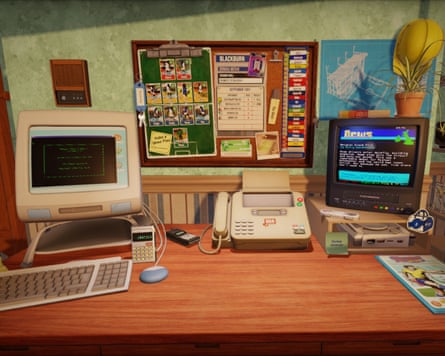
While we’re on a retro trip, I’ve just started a 1990s football management career with Nutmeg!, a nostalgic footie sim crossed with a deck-building card game, which is launching later this week on PC. Using real player names from the era, you can build a squad, train your players, select formations and then take part in card- battle-based matches. There are a lot of systems to learn, but you soon pick it up and the presentation is wonderful, using recognisable relics from the 1980s and 1990s, including old PCs, cork boards and a league table resembling one of those charts that used to be offered free with footie magazines at the start of every season. Fans of the old Kevin Toms Football Star Manager or Championship Manager titles will relish every moment.
Available on: PC
Estimated playtime: 90 minutes, plus many, many hours of extra time
What to read
-
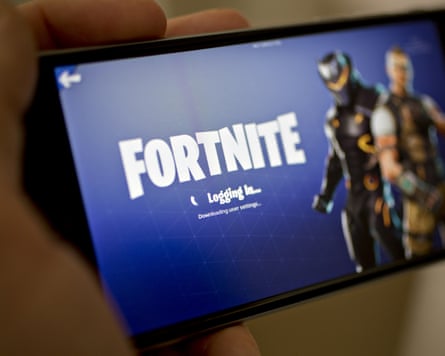
Fortnite creator Epic Games announced that it is making more than 1,000 staff redundant. CEO Tim Sweeney blamed difficult industry conditions, as well as a downturn in player engagement with Fortnite. The global games industry has seen tens of thousands of redundancies in the past three years. The increasing costs of game development together with intense competition from other digital entertainment formats such as social media and streaming TV, are putting huge pressure on publishers.
-
Another day, another developer realising that, oops a daisy, they left some AI-generated art in their game by accident. This time it’s Crimson Desert creator Pearl Abyss, which has released a statement explaining that visual props created by generative AI unintentionally made it into the final release, instead of being replaced by human-created art. This type of curious accident also befell 11 Bit Studios, which issued an apology for leaving AI-generated assets in The Alters, and Sandfall Interactive which was stripped of its Indie game awards after it was discovered that experimental AI art had found its way into the finished release (it was patched out five days later).
-
If ever there was a game crying out for its own theme park it was Minecraft – and thankfully the gods of brand extension were listening. Minecraft World is coming to Chessington World of Adventures in 2027. Looking forward to gangs of teenagers running through the carefully styled biomes throwing popcorn and yelling “Chicken Jockey”.
-
I’m a big fan of books that collect video game essays together, and a lovely new example has just been published. CTRL: Essays on Video Games (from the Liliput Press) is a compilation of interesting, funny and thoughtful pieces of games writing by novelists such as Lisa McInerney, as well as game creators, including the legendary Brenda Romero.
What to click
-
Resident Evil at 30: how Capcom’s horror opus has survived and thrived
-
In the killer world of online gaming, there are no hits any more – just survivors
-
The Mortuary Assistant – game-inspired horror simulates morgue work with conviction | ★★☆☆☆
Question Block

Staying on our retro theme, this question came to me from Howard, via email.
“I’m sure I remember a quizshow from the 1980s which featured several rounds where contestants played video games against each other, but I can’t remember what it was called or what the games were. Did this really happen or did I make it up?”
No, you didn’t make it up! I think you’re referring to the BBC children’s quizshow First Class, which began as a one-off pilot episode from BBC Wales in 1984 before becoming a teatime staple from 1996 to 1988. The quiz involved two teams of three children answering trivia questions based on movies, music and general knowledge, interspersed with gaming rounds. The titles featured included Paperboy, Hyper Sports and the skateboarding sim 720°, and presenter Debbie Greenwood even relied on a computer to keep the scores. It wasn’t the first TV quizshow to feature video game rounds, though. Starcade ran in the US from 1982 and featured dozens of games including Donkey Kong, Crystal Castles and BurgerTime. Later in 1991 came another US quizshow, Video Power, co-hosted by Terry Lee Torok, who also provided commentary at the Nintendo World Championships esports events. But then came the zenith of the format, UK’s GamesMaster, which aired on Channel 4 from 1992 and was brilliantly presented by Guardian games columnist Dominik Diamond. This is surely a concept that needs reinventing for the 2020s – perhaps by combining the noughties gameshow 1 vs. 100 with Fortnite?
If you’ve got a question for Question Block – or anything else to say about the newsletter – email us on [email protected].