2 months ago
48
2 months ago
48
The Wrexham AFC owners Ryan Reynolds and Rob McElhenney have sold a stake in the company to the US private equity investors Apollo, less than three months after the football club was given £14m in state aid.
The Welsh club on Monday announced the investment by Apollo Sports Capital, part of the New York-listed investor. It did not reveal the size of the investment, but said Reynolds and McElhenney, who has changed his name to Rob Mac, would remain majority owners.
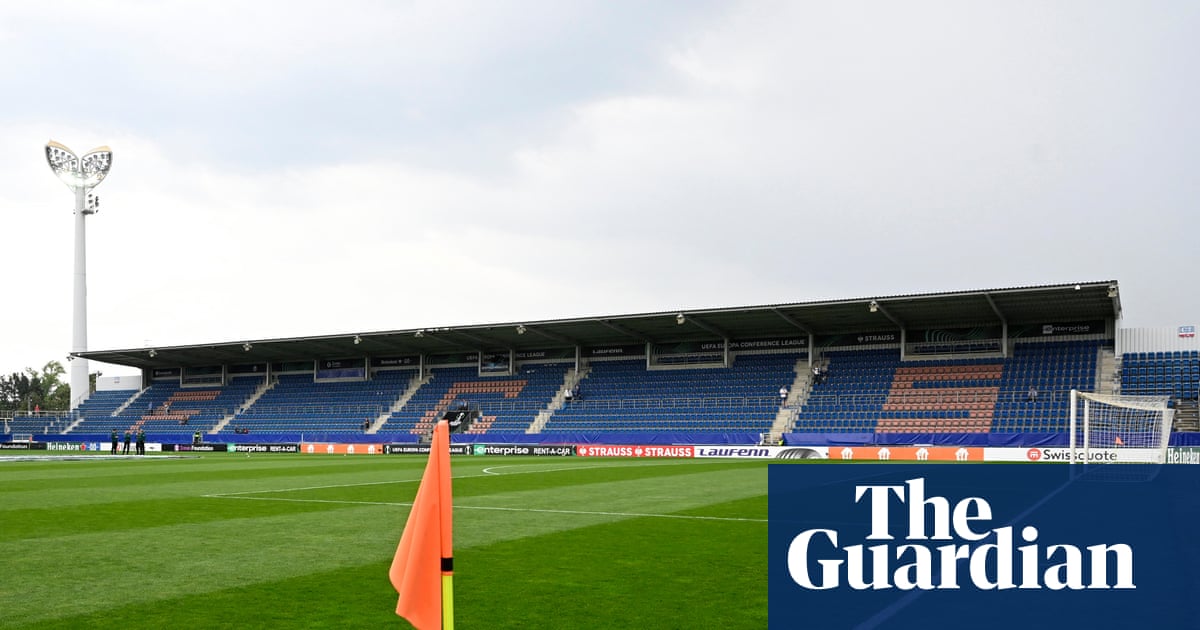
The investment will help to finance the development of Wrexham’s Racecourse Ground (Y Cae Ras in Welsh), the club said. Apollo is one of the world’s largest investors, with as much as $840bn (£630bn) in assets under management. It has previously loaned money to the Premier League club Nottingham Forest.
Wrexham have risen up the English Football League to the Championship thanks to the backing of Hollywood owners Reynolds, the producer and star of the Deadpool film franchise, and McElhenney, the creator of the comedy series It’s Always Sunny in Philadelphia. They have attracted big-name sponsors and multiplied the company’s valuation in part through a Disney TV documentary, Welcome to Wrexham, which has charted the team’s successive promotions.
Apollo’s investment is likely to have been made more attractive by the prospect of significant government support. Wrexham AFC was awarded £14m in non-repayable grants on 17 September, after receiving £3.8m last year, according to state aid disclosures revealed last month by the Guardian.
The deal is highly unusual in awarding a direct, non-repayable grant to a football club. No other club has received more than £2m in grants, according to the database. Other clubs have received significant support from local councils, but the councils usually retained ownership of assets, including stadiums.
The Apollo investment adds to questions over why the council argued that the club needed millions of pounds of government money, said Stefan Borson, a football finance expert and the head of sport at the law firm McCarthy Denning.
“The investment from Apollo is a significant milestone and likely at a record pre-money valuation for a Championship club,” he said, referring to a report by Bloomberg that Wrexham was valued at as much as £350m.
“It confirms the commercial attraction of Wrexham to one of the largest investors in the world,” he said. “Alongside the existing owners, this provides the club with substantial funding for the development of the stadium and a push for the Premier League. However, in that context, the Apollo investment raises questions again as to why the Welsh government needed to provide £18m of non-repayable grant.”
State aid disclosures, which appear to have been written by an officer of Wrexham county borough council, claimed there was “no incentive for the private sector to pursue the project” of redeveloping the stadium, and that developing to international standard would be “commercially unviable”.
after newsletter promotion
Yet in just over a year, Wrexham AFC has been able to repay loans worth £15m to a company co-owned by McElhenny and Reynolds, according to its latest accounts. It has also attracted tens of millions of pounds in investment from the wealthy New York-based Allyn family.
In a joint statement, McElhenney and Reynolds said: “From day one, we wanted to build a sustainable future for Wrexham AFC. And to do it with a little heart and humour. The dream has always been to take this club to the Premier League while staying true to the town.”
Lee Solomon, an Apollo partner, said: “Wrexham is on an incredible journey, and we are thrilled to be a part of it and to support the club, the Wrexham community and Rob and Ryan. This is a multifaceted investment where Apollo Sports Capital can provide long-term, patient capital to help Wrexham reach its goals and to contribute to the ongoing revitalisation of the facilities and local economy.”
Wrexham county borough council and the Welsh government were approached for comment. They have previously said that the investment was needed to prepare the stadium for international matches, which would provide benefits to the local economy.